Browse verified doctors or let our care team help you find the doctor best suited to your condition, treatment goals, and budget.

At American Oncology Institute, Penile Cancer Treatment is provided using advanced urological and oncological techniques, with treatment plans tailored to each patient's condition. Established in 2013, this NABH hospital in Hyderabad, India has 150 beds and provides comprehensive cancer care.
Penile Cancer Treatment may involve organ-preserving approaches for early-stage disease when clinically appropriate. Depending on the tumor's location and extent, treatment options can include local excision, laser therapy, radiation therapy, or partial or total penectomy. Management of regional lymph nodes may also be required in selected cases. Doctors typically perform a biopsy and imaging studies before treatment to establish the diagnosis and stage the cancer.
Choosing Acibadem University Hospital Atakent for Penile Cancer Treatment gives patients access to experienced urologic oncologists, advanced diagnostic technology, and comprehensive cancer care. Established in 2014, the JCI hospital in Istanbul, Turkey has 278 beds and provides specialized oncology services.
Penile Cancer Treatment is planned according to the extent and location of the tumor and whether the cancer has spread to nearby lymph nodes or other areas. Treatment may range from local therapies and radiation to partial or total removal of the penis in more advanced cases. Lymph node surgery and systemic treatments may be recommended when clinically indicated. Detailed examination, biopsy, and appropriate imaging help doctors develop an individualised treatment plan.
Iranian Hospital provides specialised Penile Cancer Treatment with a focus on accurate diagnosis, organ-preserving treatment where appropriate, and comprehensive cancer management. Established in 1970, the hospital is located in Dubai, United Arab Emirates and operates 220 beds with modern oncology infrastructure.
Penile Cancer Treatment aims to control the disease while preserving penile function and quality of life whenever medically possible. Depending on the patient's condition, treatment may include circumcision, local excision, laser therapy, radiation therapy, partial penectomy, or total penectomy. Treatment of regional lymph nodes and systemic therapy may be considered for more advanced disease. Before treatment, doctors evaluate the tumor through biopsy, clinical examination, and imaging, followed by regular surveillance after treatment.
Choosing Istinye University Bahcesehir - LIV Hospital for Penile Cancer Treatment gives patients access to experienced urologic oncologists, advanced diagnostic technology, and comprehensive cancer care. Established in 2016, the ISO, JCI hospital in Istanbul, Turkey has 394 beds and provides specialized oncology services.
Penile Cancer Treatment is planned according to the extent and location of the tumor and whether the cancer has spread to nearby lymph nodes or other areas. Treatment may range from local therapies and radiation to partial or total removal of the penis in more advanced cases. Lymph node surgery and systemic treatments may be recommended when clinically indicated. Detailed examination, biopsy, and appropriate imaging help doctors develop an individualised treatment plan.
At Life Kingsbury Hospital, Penile Cancer Treatment is provided using advanced urological and oncological techniques, with treatment plans tailored to each patient's condition. Established in 1918, this hospital in Cape Town, South Africa has 212 beds and provides comprehensive cancer care.
Penile Cancer Treatment may involve organ-preserving approaches for early-stage disease when clinically appropriate. Depending on the tumor's location and extent, treatment options can include local excision, laser therapy, radiation therapy, or partial or total penectomy. Management of regional lymph nodes may also be required in selected cases. Doctors typically perform a biopsy and imaging studies before treatment to establish the diagnosis and stage the cancer.
At Medical Park Goztepe Hospital, Penile Cancer Treatment is provided using advanced urological and oncological techniques, with treatment plans tailored to each patient's condition. Established in 2005, this JCI hospital in Istanbul, Turkey has 293 beds and provides comprehensive cancer care.
Penile Cancer Treatment may involve organ-preserving approaches for early-stage disease when clinically appropriate. Depending on the tumor's location and extent, treatment options can include local excision, laser therapy, radiation therapy, or partial or total penectomy. Management of regional lymph nodes may also be required in selected cases. Doctors typically perform a biopsy and imaging studies before treatment to establish the diagnosis and stage the cancer.
Johannesburg, South Africa
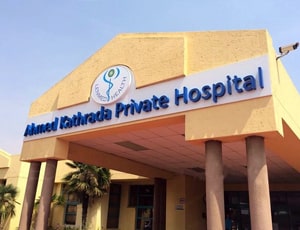
Lenmed Ahmed Kathrada Private Hospital provides specialised Penile Cancer Treatment with a focus on accurate diagnosis, organ-preserving treatment where appropriate, and comprehensive cancer management. Established in 1984, the COHSASA, ISQua hospital is located in Johannesburg, South Africa and operates 254 beds with modern oncology infrastructure.
Penile Cancer Treatment aims to control the disease while preserving penile function and quality of life whenever medically possible. Depending on the patient's condition, treatment may include circumcision, local excision, laser therapy, radiation therapy, partial penectomy, or total penectomy. Treatment of regional lymph nodes and systemic therapy may be considered for more advanced disease. Before treatment, doctors evaluate the tumor through biopsy, clinical examination, and imaging, followed by regular surveillance after treatment.
Eregli Anadolu Hospital provides specialised Penile Cancer Treatment with a focus on accurate diagnosis, organ-preserving treatment where appropriate, and comprehensive cancer management. Established in 1998, the JCI hospital is located in Zonguldak, Turkey and operates 75 beds with modern oncology infrastructure.
Penile Cancer Treatment aims to control the disease while preserving penile function and quality of life whenever medically possible. Depending on the patient's condition, treatment may include circumcision, local excision, laser therapy, radiation therapy, partial penectomy, or total penectomy. Treatment of regional lymph nodes and systemic therapy may be considered for more advanced disease. Before treatment, doctors evaluate the tumor through biopsy, clinical examination, and imaging, followed by regular surveillance after treatment.
Medical Park Ordu Hospital is a trusted healthcare provider for Penile Cancer Treatment, offering multidisciplinary urological cancer care supported by experienced specialists and modern medical infrastructure. Established in 2014, the JCI hospital is situated in Ordu, Turkey and has 150 beds.
Penile Cancer is a relatively uncommon cancer that develops in the tissues of the penis. Treatment is selected according to the stage, tumor location, size, grade, and lymph node involvement. Early tumors may be treated with local or organ-preserving therapies, while more advanced disease may require surgery and treatment of affected lymph nodes. Radiation therapy, chemotherapy, or other systemic treatments may be used in appropriate cases. Regular follow-up helps monitor recovery and detect recurrence.
VM Medical Park Bursa Hospital provides specialised Penile Cancer Treatment with a focus on accurate diagnosis, organ-preserving treatment where appropriate, and comprehensive cancer management. Established in 2017, the JCI hospital is located in Bursa, Turkey and operates 270 beds with modern oncology infrastructure.
Penile Cancer Treatment aims to control the disease while preserving penile function and quality of life whenever medically possible. Depending on the patient's condition, treatment may include circumcision, local excision, laser therapy, radiation therapy, partial penectomy, or total penectomy. Treatment of regional lymph nodes and systemic therapy may be considered for more advanced disease. Before treatment, doctors evaluate the tumor through biopsy, clinical examination, and imaging, followed by regular surveillance after treatment.
Medical Park Elazig Hospital offers advanced Penile Cancer Treatment using modern surgical and oncology techniques and internationally accepted treatment protocols. Established in 2014, the JCI hospital is located in Elazig, Turkey and has 124 beds, providing comprehensive cancer care for local and international patients.
Penile Cancer Treatment depends on factors such as the tumor's size, location, stage, and whether nearby lymph nodes are involved. Treatment may include topical therapy, laser treatment, local excision, circumcision, radiation therapy, or more extensive surgery in advanced cases. Chemotherapy or other systemic treatments may be considered for selected patients. Before treatment, doctors generally perform a physical examination, biopsy, imaging, and lymph node assessment to determine the extent of disease.
Baskent University Istanbul Hospital offers advanced Penile Cancer Treatment using modern surgical and oncology techniques and internationally accepted treatment protocols. Established in 1993, the JCI, ISO hospital is located in Istanbul, Turkey and has 144 beds, providing comprehensive cancer care for local and international patients.
Penile Cancer Treatment depends on factors such as the tumor's size, location, stage, and whether nearby lymph nodes are involved. Treatment may include topical therapy, laser treatment, local excision, circumcision, radiation therapy, or more extensive surgery in advanced cases. Chemotherapy or other systemic treatments may be considered for selected patients. Before treatment, doctors generally perform a physical examination, biopsy, imaging, and lymph node assessment to determine the extent of disease.

Chennai, India
The Madras Institute of Orthopedics and Traumatology provides specialised Penile Cancer Treatment with a focus on accurate diagnosis, organ-preserving treatment where appropriate, and comprehensive cancer management. Established in 1999, the JCI, NABH hospital is located in Chennai, India and operates 1000 beds with modern oncology infrastructure.
Penile Cancer Treatment aims to control the disease while preserving penile function and quality of life whenever medically possible. Depending on the patient's condition, treatment may include circumcision, local excision, laser therapy, radiation therapy, partial penectomy, or total penectomy. Treatment of regional lymph nodes and systemic therapy may be considered for more advanced disease. Before treatment, doctors evaluate the tumor through biopsy, clinical examination, and imaging, followed by regular surveillance after treatment.
Choosing Paracelsus Clinic for Penile Cancer Treatment gives patients access to experienced urologic oncologists, advanced diagnostic technology, and comprehensive cancer care. Established in 1953, the hospital in Lustmuhle, Switzerland has 95 beds and provides specialized oncology services.
Penile Cancer Treatment is planned according to the extent and location of the tumor and whether the cancer has spread to nearby lymph nodes or other areas. Treatment may range from local therapies and radiation to partial or total removal of the penis in more advanced cases. Lymph node surgery and systemic treatments may be recommended when clinically indicated. Detailed examination, biopsy, and appropriate imaging help doctors develop an individualised treatment plan.
Choosing Hospital Ruber International for Penile Cancer Treatment gives patients access to experienced urologic oncologists, advanced diagnostic technology, and comprehensive cancer care. Established in 1982, the ISO hospital in Madrid, Spain has 345 beds and provides specialized oncology services.
Penile Cancer Treatment is planned according to the extent and location of the tumor and whether the cancer has spread to nearby lymph nodes or other areas. Treatment may range from local therapies and radiation to partial or total removal of the penis in more advanced cases. Lymph node surgery and systemic treatments may be recommended when clinically indicated. Detailed examination, biopsy, and appropriate imaging help doctors develop an individualised treatment plan.