Explore trusted hospitals and care options, or get personalised support to find a suitable option based on your treatment needs, preferences, and budget.

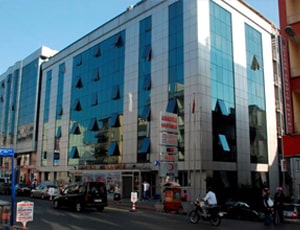
Medical Park Ordu Hospital provides specialized Lumbar Decompression with a focus on relieving pressure on the spinal nerves, reducing pain, and improving mobility. Established in 2014, the JCI accredited hospital is located in Ordu, Turkey and operates 150 beds with modern neurosurgical and orthopedic spine facilities.
Lumbar Decompression is a surgical procedure used to relieve pressure on the nerves in the lower spine. It may be recommended for conditions such as lumbar spinal stenosis, herniated discs, or bone overgrowth that cause leg pain, numbness, weakness, or difficulty walking. During surgery, the surgeon removes or reshapes the structures compressing the nerves, which may include portions of bone, ligament, or disc material. Depending on spinal stability, decompression may be combined with fusion or other stabilization procedures.
Eregli Anadolu Hospital provides specialized Lumbar Decompression with an emphasis on precise nerve decompression, preservation of spinal structures, and personalized recovery support. Established in 1998, the JCI accredited hospital is based in Zonguldak, Turkey and has 75 beds supported by modern neurosurgical and orthopedic facilities.
Lumbar Decompression involves removing or modifying structures that are narrowing the spinal canal or neural foramina and compressing nerves in the lower back. It may help relieve symptoms associated with lumbar spinal stenosis and other causes of nerve compression when conservative treatment has not provided sufficient relief. The surgeon may remove a portion of the vertebral bone, thickened ligament, or disc material depending on the source of compression. Preoperative imaging helps determine the affected levels, while postoperative care focuses on pain control, mobility, and gradual rehabilitation.
Choosing Riyadh Care Hospital for Lumbar Decompression gives patients access to specialist-led lumbar nerve decompression, modern surgical technology, and coordinated postoperative care. Established in 1990, the JCI accredited hospital is located in Riyadh, Saudi Arabia and operates 325 beds with advanced spine surgery infrastructure.
Lumbar Decompression may be recommended for patients who experience persistent leg pain, numbness, weakness, or walking difficulties due to compression of nerves in the lower spine. During surgery, the surgeon carefully removes the bone or soft tissue responsible for narrowing around the nerve. A minimally invasive or conventional approach may be selected according to the patient's anatomy and condition. If significant instability is present, spinal fusion may be considered alongside decompression.
ing. Established in 2003, the JCI accredited hospital in Riyadh, Saudi Arabia has 460 beds and provides comprehensive spine surgery and rehabilitation services.
Lumbar Decompression may be considered when narrowing or other structural changes in the lower spine place persistent pressure on one or more nerve roots. The procedure can involve removal of part of the lamina, ligament, bone spurs, or herniated disc material to create more space for the affected nerves. The exact technique depends on the location and cause of compression. MRI or CT imaging is generally used before surgery to identify the affected spinal levels and guide treatment.
ing. Established in 1982, the ISO accredited hospital in Madrid, Spain has 345 beds and provides comprehensive spine surgery and rehabilitation services.
Lumbar Decompression may be considered when narrowing or other structural changes in the lower spine place persistent pressure on one or more nerve roots. The procedure can involve removal of part of the lamina, ligament, bone spurs, or herniated disc material to create more space for the affected nerves. The exact technique depends on the location and cause of compression. MRI or CT imaging is generally used before surgery to identify the affected spinal levels and guide treatment.
Vilnius, Lithuania
ing. Established in 1998, the JCI accredited hospital in Vilnius, Lithuania has 36 beds and provides comprehensive spine surgery and rehabilitation services.
Lumbar Decompression may be considered when narrowing or other structural changes in the lower spine place persistent pressure on one or more nerve roots. The procedure can involve removal of part of the lamina, ligament, bone spurs, or herniated disc material to create more space for the affected nerves. The exact technique depends on the location and cause of compression. MRI or CT imaging is generally used before surgery to identify the affected spinal levels and guide treatment.
Istanbul, Turkey
Baskent University Istanbul Hospital provides specialized Lumbar Decompression with an emphasis on precise nerve decompression, preservation of spinal structures, and personalized recovery support. Established in 1993, the JCI, ISO accredited hospital is based in Istanbul, Turkey and has 144 beds supported by modern neurosurgical and orthopedic facilities.
Lumbar Decompression involves removing or modifying structures that are narrowing the spinal canal or neural foramina and compressing nerves in the lower back. It may help relieve symptoms associated with lumbar spinal stenosis and other causes of nerve compression when conservative treatment has not provided sufficient relief. The surgeon may remove a portion of the vertebral bone, thickened ligament, or disc material depending on the source of compression. Preoperative imaging helps determine the affected levels, while postoperative care focuses on pain control, mobility, and gradual rehabilitation.
Chennai, India
Choosing The Madras Institute of Orthopedics and Traumatology for Lumbar Decompression gives patients access to specialist-led lumbar nerve decompression, modern surgical technology, and coordinated postoperative care. Established in 1999, the JCI, NABH accredited hospital is located in Chennai, India and operates 1000 beds with advanced spine surgery infrastructure.
Lumbar Decompression may be recommended for patients who experience persistent leg pain, numbness, weakness, or walking difficulties due to compression of nerves in the lower spine. During surgery, the surgeon carefully removes the bone or soft tissue responsible for narrowing around the nerve. A minimally invasive or conventional approach may be selected according to the patient's anatomy and condition. If significant instability is present, spinal fusion may be considered alongside decompression.
Circle Reading Hospital provides specialized Lumbar Decompression with an emphasis on precise nerve decompression, preservation of spinal structures, and personalized recovery support. Established in 2012, the accredited hospital is based in Reading, United Kingdom and it has adequate bed capacity supported by modern neurosurgical and orthopedic facilities.
Lumbar Decompression involves removing or modifying structures that are narrowing the spinal canal or neural foramina and compressing nerves in the lower back. It may help relieve symptoms associated with lumbar spinal stenosis and other causes of nerve compression when conservative treatment has not provided sufficient relief. The surgeon may remove a portion of the vertebral bone, thickened ligament, or disc material depending on the source of compression. Preoperative imaging helps determine the affected levels, while postoperative care focuses on pain control, mobility, and gradual rehabilitation.
Shirley Oaks Hospital provides specialized Lumbar Decompression with a focus on relieving pressure on the spinal nerves, reducing pain, and improving mobility. Established in 1986, the accredited hospital is located in London, United Kingdom and operates beds with modern neurosurgical and orthopedic spine facilities.
Lumbar Decompression is a surgical procedure used to relieve pressure on the nerves in the lower spine. It may be recommended for conditions such as lumbar spinal stenosis, herniated discs, or bone overgrowth that cause leg pain, numbness, weakness, or difficulty walking. During surgery, the surgeon removes or reshapes the structures compressing the nerves, which may include portions of bone, ligament, or disc material. Depending on spinal stability, decompression may be combined with fusion or other stabilization procedures.
St Edmunds Hospital provides specialized Lumbar Decompression with a focus on relieving pressure on the spinal nerves, reducing pain, and improving mobility. Established in 1988, the accredited hospital is located in Bury Saint Edmunds, United Kingdom and operates beds with modern neurosurgical and orthopedic spine facilities.
Lumbar Decompression is a surgical procedure used to relieve pressure on the nerves in the lower spine. It may be recommended for conditions such as lumbar spinal stenosis, herniated discs, or bone overgrowth that cause leg pain, numbness, weakness, or difficulty walking. During surgery, the surgeon removes or reshapes the structures compressing the nerves, which may include portions of bone, ligament, or disc material. Depending on spinal stability, decompression may be combined with fusion or other stabilization procedures.
Gurugram, India
ing. Established in 2018, the NABH, JCI, AACI accredited hospital in Gurugram, India has 150 beds and provides comprehensive spine surgery and rehabilitation services.
Lumbar Decompression may be considered when narrowing or other structural changes in the lower spine place persistent pressure on one or more nerve roots. The procedure can involve removal of part of the lamina, ligament, bone spurs, or herniated disc material to create more space for the affected nerves. The exact technique depends on the location and cause of compression. MRI or CT imaging is generally used before surgery to identify the affected spinal levels and guide treatment.
Ghaziabad, India
Manipal Hospital, Ghaziabad provides specialized Lumbar Decompression with an emphasis on precise nerve decompression, preservation of spinal structures, and personalized recovery support. Established in 2010, the NABH, NABL accredited hospital is based in Ghaziabad, India and has 9500 beds supported by modern neurosurgical and orthopedic facilities.
Lumbar Decompression involves removing or modifying structures that are narrowing the spinal canal or neural foramina and compressing nerves in the lower back. It may help relieve symptoms associated with lumbar spinal stenosis and other causes of nerve compression when conservative treatment has not provided sufficient relief. The surgeon may remove a portion of the vertebral bone, thickened ligament, or disc material depending on the source of compression. Preoperative imaging helps determine the affected levels, while postoperative care focuses on pain control, mobility, and gradual rehabilitation.
Quttainah Specialized Hospital provides specialized Lumbar Decompression with an emphasis on precise nerve decompression, preservation of spinal structures, and personalized recovery support. Established in 2020, the JCI accredited hospital is based in Dubai, United Arab Emirates and it has adequate bed capacity supported by modern neurosurgical and orthopedic facilities.
Lumbar Decompression involves removing or modifying structures that are narrowing the spinal canal or neural foramina and compressing nerves in the lower back. It may help relieve symptoms associated with lumbar spinal stenosis and other causes of nerve compression when conservative treatment has not provided sufficient relief. The surgeon may remove a portion of the vertebral bone, thickened ligament, or disc material depending on the source of compression. Preoperative imaging helps determine the affected levels, while postoperative care focuses on pain control, mobility, and gradual rehabilitation.
Choosing Vinmec Hai Phong for Lumbar Decompression gives patients access to specialist-led lumbar nerve decompression, modern surgical technology, and coordinated postoperative care. Established in 2018, the JCI accredited hospital is located in Ha noi, Vietnam and operates 200 beds with advanced spine surgery infrastructure.
Lumbar Decompression may be recommended for patients who experience persistent leg pain, numbness, weakness, or walking difficulties due to compression of nerves in the lower spine. During surgery, the surgeon carefully removes the bone or soft tissue responsible for narrowing around the nerve. A minimally invasive or conventional approach may be selected according to the patient's anatomy and condition. If significant instability is present, spinal fusion may be considered alongside decompression.