Browse verified doctors or let our care team help you find the doctor best suited to your condition, treatment goals, and budget.

Dr. Rela Institute and Medical Centre offers dedicated Artificial Lumbar Disc Replacement supported by experienced spine surgeons, advanced imaging technology, and modern operating facilities. Established in 2018, the NABH, NABL accredited hospital is situated in Chennai, India and has 450 beds supporting specialized lumbar spine care.
Artificial Lumbar Disc Replacement is designed to replace a diseased lumbar disc while maintaining motion in the treated spinal segment. During the procedure, the surgeon accesses the lumbar spine, removes the damaged disc, prepares the disc space, and positions an appropriately sized artificial disc. The implant helps maintain disc height and allows controlled movement between the vertebrae. Patient selection is important, and imaging is used to assess the disc, vertebral structures, and overall spinal condition before surgery.
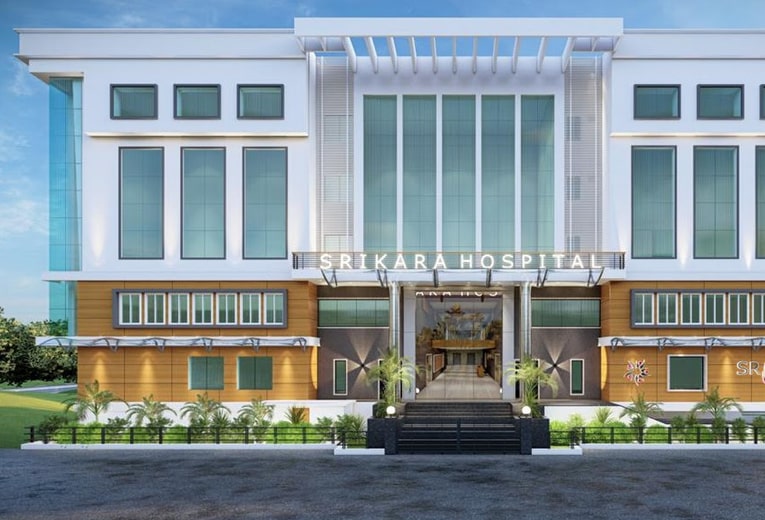
At Srikara Hospital, RTC Cross Roads, Artificial Lumbar Disc Replacement is performed using advanced lumbar spine techniques and individualized surgical planning. Established in 2013, the NABH accredited hospital in Hyderabad, India has 120 beds and provides comprehensive spinal surgery and rehabilitation services.
Artificial Lumbar Disc Replacement involves removing a damaged lumbar disc and inserting a prosthetic disc into the space between the vertebrae. Unlike spinal fusion, the procedure is designed to preserve movement at the treated spinal level. It may be considered for selected patients with persistent discogenic low back pain related to degenerative disc disease. A detailed assessment, including imaging and evaluation of spinal stability, helps determine suitability for disc replacement.
Yatharth hospital offers dedicated Artificial Lumbar Disc Replacement supported by experienced spine surgeons, advanced imaging technology, and modern operating facilities. Established in 2008, the JCI, NABH, NABL accredited hospital is situated in Delhi, India and has 400 beds supporting specialized lumbar spine care.
Artificial Lumbar Disc Replacement is designed to replace a diseased lumbar disc while maintaining motion in the treated spinal segment. During the procedure, the surgeon accesses the lumbar spine, removes the damaged disc, prepares the disc space, and positions an appropriately sized artificial disc. The implant helps maintain disc height and allows controlled movement between the vertebrae. Patient selection is important, and imaging is used to assess the disc, vertebral structures, and overall spinal condition before surgery.
Choosing Indian Spinal Injuries Centre for Artificial Lumbar Disc Replacement gives patients access to specialist-led lumbar disc surgery, modern implant technology, and comprehensive postoperative care. Established in 1997, the NABH, NABL accredited hospital is located in Delhi, India and operates 200 beds with advanced spine surgery infrastructure.
Artificial Lumbar Disc Replacement may be recommended for selected patients with chronic lumbar disc degeneration when appropriate non-surgical treatments have not provided sufficient relief. The damaged disc is removed and replaced with an artificial implant intended to restore disc height and preserve movement. Unlike fusion, the treated vertebrae are not intentionally joined together. Recovery may involve gradual mobilization, activity restrictions, physiotherapy, and follow-up assessments to monitor implant position and clinical improvement.
Ruby Hall Clinic provides specialized Artificial Lumbar Disc Replacement with a focus on relieving lumbar disc-related pain while preserving spinal movement. Established in 1959, the NABH, NABL accredited hospital is located in Pune, India and operates 600 beds with modern neurosurgical and orthopedic spine facilities.
Artificial Lumbar Disc Replacement is a motion-preserving procedure in which a damaged lumbar intervertebral disc is removed and replaced with an artificial disc implant. It may be considered for carefully selected patients with symptomatic lumbar disc degeneration who have not achieved adequate relief with conservative treatment. The artificial disc is designed to maintain movement between the vertebrae while restoring disc height. Preoperative imaging and clinical evaluation help determine whether the procedure is appropriate.
Yashoda Hospital, Malakpet offers dedicated Artificial Lumbar Disc Replacement supported by experienced spine surgeons, advanced imaging technology, and modern operating facilities. Established in 1989, the NABH, NABL accredited hospital is situated in Hyderabad, India and has 404 beds supporting specialized lumbar spine care.
Artificial Lumbar Disc Replacement is designed to replace a diseased lumbar disc while maintaining motion in the treated spinal segment. During the procedure, the surgeon accesses the lumbar spine, removes the damaged disc, prepares the disc space, and positions an appropriately sized artificial disc. The implant helps maintain disc height and allows controlled movement between the vertebrae. Patient selection is important, and imaging is used to assess the disc, vertebral structures, and overall spinal condition before surgery.
Choosing Kalra Hospital for Artificial Lumbar Disc Replacement gives patients access to specialist-led lumbar disc surgery, modern implant technology, and comprehensive postoperative care. Established in 1987, the NABH accredited hospital is located in Delhi, India and operates 110 beds with advanced spine surgery infrastructure.
Artificial Lumbar Disc Replacement may be recommended for selected patients with chronic lumbar disc degeneration when appropriate non-surgical treatments have not provided sufficient relief. The damaged disc is removed and replaced with an artificial implant intended to restore disc height and preserve movement. Unlike fusion, the treated vertebrae are not intentionally joined together. Recovery may involve gradual mobilization, activity restrictions, physiotherapy, and follow-up assessments to monitor implant position and clinical improvement.
Aster CMI Hospital provides specialized Artificial Lumbar Disc Replacement with an emphasis on precise disc removal, motion preservation, and personalized spinal care. Established in 2014, the JCI, NABH, NABL accredited hospital is based in Bangalore, India and has 500 beds supported by modern neurosurgical and orthopedic facilities.
Artificial Lumbar Disc Replacement is a surgical alternative to fusion for certain patients with symptomatic lumbar disc disease. The procedure removes the damaged disc and replaces it with a prosthetic device that is designed to support the vertebral segment while allowing controlled movement. Before surgery, specialists evaluate symptoms, spinal alignment, disc degeneration, bone health, and other factors that may affect the outcome. Postoperative follow-up helps monitor healing, implant positioning, mobility, and the patient's return to normal activities.
neuraxis Care and Research Center, India offers dedicated Artificial Lumbar Disc Replacement supported by experienced spine surgeons, advanced imaging technology, and modern operating facilities. Established in 2018, the accredited hospital is situated in Delhi, India and it has adequate bed capacity supporting specialized lumbar spine care.
Artificial Lumbar Disc Replacement is designed to replace a diseased lumbar disc while maintaining motion in the treated spinal segment. During the procedure, the surgeon accesses the lumbar spine, removes the damaged disc, prepares the disc space, and positions an appropriately sized artificial disc. The implant helps maintain disc height and allows controlled movement between the vertebrae. Patient selection is important, and imaging is used to assess the disc, vertebral structures, and overall spinal condition before surgery.
Choosing Apollo Hospitals Bannerghatta for Artificial Lumbar Disc Replacement gives patients access to specialist-led lumbar disc surgery, modern implant technology, and comprehensive postoperative care. Established in 2007, the JCI accredited hospital is located in Bangalore, India and operates 350 beds with advanced spine surgery infrastructure.
Artificial Lumbar Disc Replacement may be recommended for selected patients with chronic lumbar disc degeneration when appropriate non-surgical treatments have not provided sufficient relief. The damaged disc is removed and replaced with an artificial implant intended to restore disc height and preserve movement. Unlike fusion, the treated vertebrae are not intentionally joined together. Recovery may involve gradual mobilization, activity restrictions, physiotherapy, and follow-up assessments to monitor implant position and clinical improvement.
Fortis Hospital provides specialized Artificial Lumbar Disc Replacement with an emphasis on precise disc removal, motion preservation, and personalized spinal care. Established in 2001, the NABH, NABL, JCI accredited hospital is based in Bangalore, India and has 375 beds supported by modern neurosurgical and orthopedic facilities.
Artificial Lumbar Disc Replacement is a surgical alternative to fusion for certain patients with symptomatic lumbar disc disease. The procedure removes the damaged disc and replaces it with a prosthetic device that is designed to support the vertebral segment while allowing controlled movement. Before surgery, specialists evaluate symptoms, spinal alignment, disc degeneration, bone health, and other factors that may affect the outcome. Postoperative follow-up helps monitor healing, implant positioning, mobility, and the patient's return to normal activities.
Faridabad, India
At Sarvodaya Hospital and Research Centre, Artificial Lumbar Disc Replacement is performed using advanced lumbar spine techniques and individualized surgical planning. Established in 1997, the NABH, NABL accredited hospital in Faridabad, India has 500 beds and provides comprehensive spinal surgery and rehabilitation services.
Artificial Lumbar Disc Replacement involves removing a damaged lumbar disc and inserting a prosthetic disc into the space between the vertebrae. Unlike spinal fusion, the procedure is designed to preserve movement at the treated spinal level. It may be considered for selected patients with persistent discogenic low back pain related to degenerative disc disease. A detailed assessment, including imaging and evaluation of spinal stability, helps determine suitability for disc replacement.
Fortis Hospital provides specialized Artificial Lumbar Disc Replacement with an emphasis on precise disc removal, motion preservation, and personalized spinal care. Established in 2011, the NABH, NABL accredited hospital is based in Kolkata, India and has 400 beds supported by modern neurosurgical and orthopedic facilities.
Artificial Lumbar Disc Replacement is a surgical alternative to fusion for certain patients with symptomatic lumbar disc disease. The procedure removes the damaged disc and replaces it with a prosthetic device that is designed to support the vertebral segment while allowing controlled movement. Before surgery, specialists evaluate symptoms, spinal alignment, disc degeneration, bone health, and other factors that may affect the outcome. Postoperative follow-up helps monitor healing, implant positioning, mobility, and the patient's return to normal activities.
HCG Kalinga Rao Road provides specialized Artificial Lumbar Disc Replacement with an emphasis on precise disc removal, motion preservation, and personalized spinal care. Established in 1989, the ISO, NABH accredited hospital is based in Bangalore, India and has 250 beds supported by modern neurosurgical and orthopedic facilities.
Artificial Lumbar Disc Replacement is a surgical alternative to fusion for certain patients with symptomatic lumbar disc disease. The procedure removes the damaged disc and replaces it with a prosthetic device that is designed to support the vertebral segment while allowing controlled movement. Before surgery, specialists evaluate symptoms, spinal alignment, disc degeneration, bone health, and other factors that may affect the outcome. Postoperative follow-up helps monitor healing, implant positioning, mobility, and the patient's return to normal activities.
Choosing Batra Hospital for Artificial Lumbar Disc Replacement gives patients access to specialist-led lumbar disc surgery, modern implant technology, and comprehensive postoperative care. Established in 1987, the NABH accredited hospital is located in Delhi, India and operates 495 beds with advanced spine surgery infrastructure.
Artificial Lumbar Disc Replacement may be recommended for selected patients with chronic lumbar disc degeneration when appropriate non-surgical treatments have not provided sufficient relief. The damaged disc is removed and replaced with an artificial implant intended to restore disc height and preserve movement. Unlike fusion, the treated vertebrae are not intentionally joined together. Recovery may involve gradual mobilization, activity restrictions, physiotherapy, and follow-up assessments to monitor implant position and clinical improvement.

Ms Patience from Uganda travelled to India for cosmetic surgery in May 2017. She got her treatment done in Asian Institute of Medical Sciences in…

Lobna (from Sudan) was diagnosed with meningioma, a form of non-cancerous brain tumor. Her family members decided to take her to one of the most…