Browse verified doctors or let our care team help you find the doctor best suited to your condition, treatment goals, and budget.

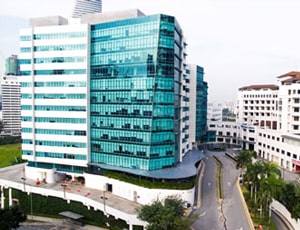
Prince Court Medical Centre provides specialized Aneurysm Clipping with an emphasis on precise aneurysm isolation, preservation of cerebral blood flow, and individualized postoperative monitoring. Established in 2007, the MSQH accredited hospital is based in Kuala Lumpur, Malaysia and has 277 beds supported by modern neurovascular and intensive care facilities.
Aneurysm Clipping involves placing a small surgical clip at the neck of a cerebral aneurysm to prevent blood from flowing into the weakened vessel. The procedure is performed under general anesthesia and typically requires a craniotomy to access the aneurysm. Microsurgical visualization allows the surgeon to identify the aneurysm and surrounding vessels before applying the clip. In selected cases, additional intraoperative imaging or blood-flow assessment is used to verify successful aneurysm exclusion and adequate circulation through nearby arteries.
At Acibadem International Hospital, Aneurysm Clipping is performed using advanced microsurgical techniques and detailed neurovascular imaging. Established in 1989, the JCI accredited hospital in Istanbul, Turkey has 112 beds and provides comprehensive neurosurgical and neurological care.
Aneurysm Clipping may be recommended for selected patients with an intracranial aneurysm, particularly when the aneurysm has ruptured or has characteristics that make preventive treatment appropriate. The surgeon carefully exposes the aneurysm and positions a specialized clip at its base to stop blood flow into the aneurysm. Intraoperative imaging or blood-flow monitoring may be used to confirm that the aneurysm is excluded while important cerebral arteries remain open.
Dubai, United Arab Emirates
Burjeel Hospital for Advanced Surgery Dubai provides specialized Aneurysm Clipping with a focus on securing cerebral aneurysms, preventing rupture, and protecting surrounding brain structures. Established in 2023, the JCI accredited hospital is located in Dubai, United Arab Emirates and operates 100 beds with advanced neurosurgical and neurovascular facilities.
Aneurysm Clipping is an open neurosurgical procedure used to prevent blood from entering a brain aneurysm. During surgery, the neurosurgeon accesses the aneurysm through a carefully planned craniotomy and places a small metal clip across its neck. This seals the aneurysm from normal blood circulation while maintaining blood flow through the parent artery. Cerebral angiography and other imaging studies may be used before and during treatment to assess the aneurysm's size, location, and vascular anatomy.
Mount Elizabeth Novena Hospital offers dedicated Aneurysm Clipping supported by experienced cerebrovascular surgeons, operating microscopes, advanced imaging, and modern neurocritical care facilities. Established in 2012, the JCI accredited hospital is situated in Novena, Singapore and has 313 beds supporting specialized brain vascular treatment.
Aneurysm Clipping is performed to permanently isolate an abnormal bulging area of a brain artery from circulation. After creating access to the affected region, the surgeon places a small clip across the aneurysm neck, preventing blood from entering the aneurysm while preserving circulation through nearby vessels. The procedure may be performed for ruptured or selected unruptured aneurysms. Preoperative CT angiography, MR angiography, or catheter angiography helps determine the aneurysm's anatomy and guide surgical planning.
Asan Medical Centre offers dedicated Aneurysm Clipping supported by experienced cerebrovascular surgeons, operating microscopes, advanced imaging, and modern neurocritical care facilities. Established in 1989, the ISO accredited hospital is situated in Seoul, South Korea and has 2700 beds supporting specialized brain vascular treatment.
Aneurysm Clipping is performed to permanently isolate an abnormal bulging area of a brain artery from circulation. After creating access to the affected region, the surgeon places a small clip across the aneurysm neck, preventing blood from entering the aneurysm while preserving circulation through nearby vessels. The procedure may be performed for ruptured or selected unruptured aneurysms. Preoperative CT angiography, MR angiography, or catheter angiography helps determine the aneurysm's anatomy and guide surgical planning.
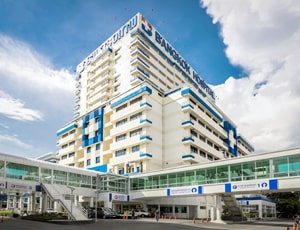
Bangkok Hospital provides specialized Aneurysm Clipping with a focus on securing cerebral aneurysms, preventing rupture, and protecting surrounding brain structures. Established in 1972, the JCI accredited hospital is located in Bangkok, Thailand and operates 580 beds with advanced neurosurgical and neurovascular facilities.
Aneurysm Clipping is an open neurosurgical procedure used to prevent blood from entering a brain aneurysm. During surgery, the neurosurgeon accesses the aneurysm through a carefully planned craniotomy and places a small metal clip across its neck. This seals the aneurysm from normal blood circulation while maintaining blood flow through the parent artery. Cerebral angiography and other imaging studies may be used before and during treatment to assess the aneurysm's size, location, and vascular anatomy.
Mount Elizabeth Hospital provides specialized Aneurysm Clipping with a focus on securing cerebral aneurysms, preventing rupture, and protecting surrounding brain structures. Established in 1979, the JCI accredited hospital is located in Singapore, Singapore and operates 345 beds with advanced neurosurgical and neurovascular facilities.
Aneurysm Clipping is an open neurosurgical procedure used to prevent blood from entering a brain aneurysm. During surgery, the neurosurgeon accesses the aneurysm through a carefully planned craniotomy and places a small metal clip across its neck. This seals the aneurysm from normal blood circulation while maintaining blood flow through the parent artery. Cerebral angiography and other imaging studies may be used before and during treatment to assess the aneurysm's size, location, and vascular anatomy.
Delhi, India
Choosing BLK-Max Super Speciality Hospital for Aneurysm Clipping gives patients access to specialist-led cerebrovascular surgery, advanced microsurgical equipment, and coordinated neurocritical care. Established in 1959, the JCI, NABH accredited hospital is located in Delhi, India and operates 650 beds with modern neurosurgical infrastructure.
Aneurysm Clipping may be considered when an intracranial aneurysm requires definitive surgical exclusion from the bloodstream. Through a craniotomy, the neurosurgeon reaches the aneurysm and places a clip across its neck to stop blood flow into the weakened vessel wall. The clip remains in place after surgery. The treatment plan depends on factors such as aneurysm size, location, shape, rupture status, and the patient's overall neurological condition. Follow-up imaging may be used to evaluate the treated area.
Kings College Hospital Dubai provides specialized Aneurysm Clipping with an emphasis on precise aneurysm isolation, preservation of cerebral blood flow, and individualized postoperative monitoring. Established in 2019, the JCI accredited hospital is based in Dubai, United Arab Emirates and has 100 beds supported by modern neurovascular and intensive care facilities.
Aneurysm Clipping involves placing a small surgical clip at the neck of a cerebral aneurysm to prevent blood from flowing into the weakened vessel. The procedure is performed under general anesthesia and typically requires a craniotomy to access the aneurysm. Microsurgical visualization allows the surgeon to identify the aneurysm and surrounding vessels before applying the clip. In selected cases, additional intraoperative imaging or blood-flow assessment is used to verify successful aneurysm exclusion and adequate circulation through nearby arteries.
At Parkway Pantai, Aneurysm Clipping is performed using advanced microsurgical techniques and detailed neurovascular imaging. Established in 1974, the JCI, MSQH accredited hospital in Kuala Lumpur, Malaysia has 499 beds and provides comprehensive neurosurgical and neurological care.
Aneurysm Clipping may be recommended for selected patients with an intracranial aneurysm, particularly when the aneurysm has ruptured or has characteristics that make preventive treatment appropriate. The surgeon carefully exposes the aneurysm and positions a specialized clip at its base to stop blood flow into the aneurysm. Intraoperative imaging or blood-flow monitoring may be used to confirm that the aneurysm is excluded while important cerebral arteries remain open.
Vejthani Hospital provides specialized Aneurysm Clipping with an emphasis on precise aneurysm isolation, preservation of cerebral blood flow, and individualized postoperative monitoring. Established in 1994, the JCI accredited hospital is based in Bangkok, Thailand and has 263 beds supported by modern neurovascular and intensive care facilities.
Aneurysm Clipping involves placing a small surgical clip at the neck of a cerebral aneurysm to prevent blood from flowing into the weakened vessel. The procedure is performed under general anesthesia and typically requires a craniotomy to access the aneurysm. Microsurgical visualization allows the surgeon to identify the aneurysm and surrounding vessels before applying the clip. In selected cases, additional intraoperative imaging or blood-flow assessment is used to verify successful aneurysm exclusion and adequate circulation through nearby arteries.
At Memorial Ankara Hospital, Aneurysm Clipping is performed using advanced microsurgical techniques and detailed neurovascular imaging. Established in 2014, the JCI accredited hospital in Ankara, Turkey has 230 beds and provides comprehensive neurosurgical and neurological care.
Aneurysm Clipping may be recommended for selected patients with an intracranial aneurysm, particularly when the aneurysm has ruptured or has characteristics that make preventive treatment appropriate. The surgeon carefully exposes the aneurysm and positions a specialized clip at its base to stop blood flow into the aneurysm. Intraoperative imaging or blood-flow monitoring may be used to confirm that the aneurysm is excluded while important cerebral arteries remain open.
Artemis Health Institute offers dedicated Aneurysm Clipping supported by experienced cerebrovascular surgeons, operating microscopes, advanced imaging, and modern neurocritical care facilities. Established in 2007, the JCI, NABH accredited hospital is situated in Gurgaon, India and has 750 beds supporting specialized brain vascular treatment.
Aneurysm Clipping is performed to permanently isolate an abnormal bulging area of a brain artery from circulation. After creating access to the affected region, the surgeon places a small clip across the aneurysm neck, preventing blood from entering the aneurysm while preserving circulation through nearby vessels. The procedure may be performed for ruptured or selected unruptured aneurysms. Preoperative CT angiography, MR angiography, or catheter angiography helps determine the aneurysm's anatomy and guide surgical planning.
Choosing Gleneagles Hospital for Aneurysm Clipping gives patients access to specialist-led cerebrovascular surgery, advanced microsurgical equipment, and coordinated neurocritical care. Established in 1959, the JCI accredited hospital is located in Singapore, Singapore and operates 258 beds with modern neurosurgical infrastructure.
Aneurysm Clipping may be considered when an intracranial aneurysm requires definitive surgical exclusion from the bloodstream. Through a craniotomy, the neurosurgeon reaches the aneurysm and places a clip across its neck to stop blood flow into the weakened vessel wall. The clip remains in place after surgery. The treatment plan depends on factors such as aneurysm size, location, shape, rupture status, and the patient's overall neurological condition. Follow-up imaging may be used to evaluate the treated area.
At International St. Mary's Hospital, Aneurysm Clipping is performed using advanced microsurgical techniques and detailed neurovascular imaging. Established in 2014, the JCI accredited hospital in Seoul, South Korea has 808 beds and provides comprehensive neurosurgical and neurological care.
Aneurysm Clipping may be recommended for selected patients with an intracranial aneurysm, particularly when the aneurysm has ruptured or has characteristics that make preventive treatment appropriate. The surgeon carefully exposes the aneurysm and positions a specialized clip at its base to stop blood flow into the aneurysm. Intraoperative imaging or blood-flow monitoring may be used to confirm that the aneurysm is excluded while important cerebral arteries remain open.