Browse verified doctors or let our care team help you find the doctor best suited to your condition, treatment goals, and budget.

Choosing BGS Gleneagles Global Hospitals for Pancreatic Surgery gives patients access to experienced pancreatic surgeons, advanced abdominal imaging, endoscopic and interventional procedures, minimally invasive and robotic surgical systems, specialized intensive-care facilities, and structured postoperative monitoring. Established in 2007, the NABH, NABL accredited hospital in Bangalore, India has 500 beds and provides specialized pancreatic and hepatobiliary care.
Pancreatic Surgery is performed under general anaesthesia, with the surgical approach determined by the specific disease and extent of resection required. Depending on the procedure, the surgeon may remove part or all of the pancreas and reconstruct the digestive and biliary pathways. Patients are closely monitored after surgery for complications such as bleeding, infection, pancreatic or bile leakage, delayed stomach emptying, digestive problems, and changes in blood glucose regulation.
Manipal Hospital, Dwarka is a trusted healthcare provider for Pancreatic Surgery, offering complex pancreatic procedures supported by experienced hepatopancreatobiliary surgeons, surgical oncologists, gastroenterologists, interventional radiologists, anesthesiologists, and multidisciplinary pancreatic teams. Established in 2018, the NABH accredited hospital is situated in Delhi, India and has 380 beds.
Pancreatic Surgery may involve procedures such as pancreaticoduodenectomy (Whipple procedure), distal pancreatectomy, central pancreatectomy, or total pancreatectomy, depending on the underlying condition. In selected cases, nearby tissues or lymph nodes may also be removed to achieve appropriate disease control. The surgical plan is based on the location and extent of the lesion, involvement of major blood vessels, pancreatic function, and the patient's overall medical condition.
Choosing Dr. Rela Institute and Medical Centre for Pancreatic Surgery gives patients access to experienced pancreatic surgeons, advanced abdominal imaging, endoscopic and interventional procedures, minimally invasive and robotic surgical systems, specialized intensive-care facilities, and structured postoperative monitoring. Established in 2018, the NABH, NABL accredited hospital in Chennai, India has 450 beds and provides specialized pancreatic and hepatobiliary care.
Pancreatic Surgery is performed under general anaesthesia, with the surgical approach determined by the specific disease and extent of resection required. Depending on the procedure, the surgeon may remove part or all of the pancreas and reconstruct the digestive and biliary pathways. Patients are closely monitored after surgery for complications such as bleeding, infection, pancreatic or bile leakage, delayed stomach emptying, digestive problems, and changes in blood glucose regulation.
Choosing Yatharth hospital for Pancreatic Surgery gives patients access to experienced pancreatic surgeons, advanced abdominal imaging, endoscopic and interventional procedures, minimally invasive and robotic surgical systems, specialized intensive-care facilities, and structured postoperative monitoring. Established in 2008, the JCI, NABH, NABL accredited hospital in Delhi, India has 400 beds and provides specialized pancreatic and hepatobiliary care.
Pancreatic Surgery is performed under general anaesthesia, with the surgical approach determined by the specific disease and extent of resection required. Depending on the procedure, the surgeon may remove part or all of the pancreas and reconstruct the digestive and biliary pathways. Patients are closely monitored after surgery for complications such as bleeding, infection, pancreatic or bile leakage, delayed stomach emptying, digestive problems, and changes in blood glucose regulation.
At Ruby Hall Clinic, Pancreatic Surgery is performed using specialized pancreatic and hepatobiliary surgical techniques with comprehensive diagnostic and multidisciplinary evaluation. Established in 1959, this NABH, NABL accredited hospital in Pune, India has 600 beds and offers advanced pancreatic surgery, surgical oncology, gastroenterology, interventional radiology, and critical-care services.
Pancreatic Surgery may be considered for selected patients with localized pancreatic tumors, pancreatic cysts, chronic pancreatitis, or other conditions requiring surgical treatment. Before surgery, imaging such as CT, MRI, endoscopic ultrasound, or other investigations may be used to determine the location and extent of disease and assess its relationship with nearby blood vessels and organs. The specific procedure is selected according to the diagnosis, anatomy, pancreatic function, and overall health of the patient.
Yashoda Hospital, Malakpet provides specialised Pancreatic Surgery with a focus on precise pancreatic resection, preservation of healthy tissue where possible, advanced reconstruction, and individualized postoperative care. Established in 1989, the NABH, NABL accredited hospital is located in Hyderabad, India and operates 404 beds, with modern hepatopancreatobiliary surgery, oncology, imaging, endoscopy, intensive-care, and rehabilitation infrastructure.
Pancreatic Surgery can provide definitive treatment for appropriately selected patients with resectable pancreatic disease. Treatment planning considers the underlying diagnosis, lesion location and size, involvement of surrounding blood vessels or organs, pancreatic and liver function, nutritional status, and overall health. For pancreatic cancer, multidisciplinary assessment may also determine whether chemotherapy, radiation therapy, or other treatments are appropriate before or after surgery.
Kalra Hospital provides specialised Pancreatic Surgery with a focus on precise pancreatic resection, preservation of healthy tissue where possible, advanced reconstruction, and individualized postoperative care. Established in 1987, the NABH accredited hospital is located in Delhi, India and operates 110 beds, with modern hepatopancreatobiliary surgery, oncology, imaging, endoscopy, intensive-care, and rehabilitation infrastructure.
Pancreatic Surgery can provide definitive treatment for appropriately selected patients with resectable pancreatic disease. Treatment planning considers the underlying diagnosis, lesion location and size, involvement of surrounding blood vessels or organs, pancreatic and liver function, nutritional status, and overall health. For pancreatic cancer, multidisciplinary assessment may also determine whether chemotherapy, radiation therapy, or other treatments are appropriate before or after surgery.
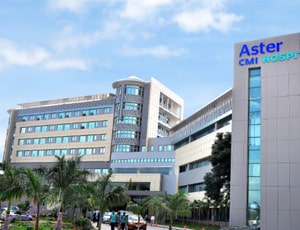
Choosing Aster CMI Hospital for Pancreatic Surgery gives patients access to experienced pancreatic surgeons, advanced abdominal imaging, endoscopic and interventional procedures, minimally invasive and robotic surgical systems, specialized intensive-care facilities, and structured postoperative monitoring. Established in 2014, the JCI, NABH, NABL accredited hospital in Bangalore, India has 500 beds and provides specialized pancreatic and hepatobiliary care.
Pancreatic Surgery is performed under general anaesthesia, with the surgical approach determined by the specific disease and extent of resection required. Depending on the procedure, the surgeon may remove part or all of the pancreas and reconstruct the digestive and biliary pathways. Patients are closely monitored after surgery for complications such as bleeding, infection, pancreatic or bile leakage, delayed stomach emptying, digestive problems, and changes in blood glucose regulation.
MGM Healthcare offers advanced Pancreatic Surgery using modern hepatopancreatobiliary surgical techniques and individualized pancreatic care plans. Established in 2016, the NABH, NABL, JCI accredited hospital is located in Chennai, India and has 400 beds, providing comprehensive pancreatic, gastrointestinal, oncology, and surgical care for local and international patients.
Pancreatic Surgery includes a range of procedures used to treat diseases affecting the pancreas, including pancreatic cancer, cystic lesions, neuroendocrine tumors, chronic pancreatitis, and selected benign or precancerous conditions. Depending on the location and extent of disease, surgery may involve removal of part of the pancreas, removal of the entire pancreas, or drainage and reconstructive procedures. The approach may be open, laparoscopic, or robotic-assisted in appropriately selected patients.
Apollo Hospitals Bannerghatta is a trusted healthcare provider for Pancreatic Surgery, offering complex pancreatic procedures supported by experienced hepatopancreatobiliary surgeons, surgical oncologists, gastroenterologists, interventional radiologists, anesthesiologists, and multidisciplinary pancreatic teams. Established in 2007, the JCI accredited hospital is situated in Bangalore, India and has 350 beds.
Pancreatic Surgery may involve procedures such as pancreaticoduodenectomy (Whipple procedure), distal pancreatectomy, central pancreatectomy, or total pancreatectomy, depending on the underlying condition. In selected cases, nearby tissues or lymph nodes may also be removed to achieve appropriate disease control. The surgical plan is based on the location and extent of the lesion, involvement of major blood vessels, pancreatic function, and the patient's overall medical condition.
At Batra Hospital, Pancreatic Surgery is performed using specialized pancreatic and hepatobiliary surgical techniques with comprehensive diagnostic and multidisciplinary evaluation. Established in 1987, this NABH accredited hospital in Delhi, India has 495 beds and offers advanced pancreatic surgery, surgical oncology, gastroenterology, interventional radiology, and critical-care services.
Pancreatic Surgery may be considered for selected patients with localized pancreatic tumors, pancreatic cysts, chronic pancreatitis, or other conditions requiring surgical treatment. Before surgery, imaging such as CT, MRI, endoscopic ultrasound, or other investigations may be used to determine the location and extent of disease and assess its relationship with nearby blood vessels and organs. The specific procedure is selected according to the diagnosis, anatomy, pancreatic function, and overall health of the patient.
Choosing Fortis Hiranandani Hospital for Pancreatic Surgery gives patients access to experienced pancreatic surgeons, advanced abdominal imaging, endoscopic and interventional procedures, minimally invasive and robotic surgical systems, specialized intensive-care facilities, and structured postoperative monitoring. Established in 2007, the NABH accredited hospital in Mumbai, India has 149 beds and provides specialized pancreatic and hepatobiliary care.
Pancreatic Surgery is performed under general anaesthesia, with the surgical approach determined by the specific disease and extent of resection required. Depending on the procedure, the surgeon may remove part or all of the pancreas and reconstruct the digestive and biliary pathways. Patients are closely monitored after surgery for complications such as bleeding, infection, pancreatic or bile leakage, delayed stomach emptying, digestive problems, and changes in blood glucose regulation.
Jaypee Hospital provides specialised Pancreatic Surgery with a focus on precise pancreatic resection, preservation of healthy tissue where possible, advanced reconstruction, and individualized postoperative care. Established in 2014, the NABH, JCI accredited hospital is located in Noida, India and operates 1200 beds, with modern hepatopancreatobiliary surgery, oncology, imaging, endoscopy, intensive-care, and rehabilitation infrastructure.
Pancreatic Surgery can provide definitive treatment for appropriately selected patients with resectable pancreatic disease. Treatment planning considers the underlying diagnosis, lesion location and size, involvement of surrounding blood vessels or organs, pancreatic and liver function, nutritional status, and overall health. For pancreatic cancer, multidisciplinary assessment may also determine whether chemotherapy, radiation therapy, or other treatments are appropriate before or after surgery.
Choosing Seven Hills Hospital for Pancreatic Surgery gives patients access to experienced pancreatic surgeons, advanced abdominal imaging, endoscopic and interventional procedures, minimally invasive and robotic surgical systems, specialized intensive-care facilities, and structured postoperative monitoring. Established in 1986, the NABH, NABL, JCI accredited hospital in Mumbai, India has 1500 beds and provides specialized pancreatic and hepatobiliary care.
Pancreatic Surgery is performed under general anaesthesia, with the surgical approach determined by the specific disease and extent of resection required. Depending on the procedure, the surgeon may remove part or all of the pancreas and reconstruct the digestive and biliary pathways. Patients are closely monitored after surgery for complications such as bleeding, infection, pancreatic or bile leakage, delayed stomach emptying, digestive problems, and changes in blood glucose regulation.
Delhi, India
Max Smart Super Speciality Hospital offers advanced Pancreatic Surgery using modern hepatopancreatobiliary surgical techniques and individualized pancreatic care plans. Established in 2012, the JCI, NABH accredited hospital is located in Delhi, India and has 250 beds, providing comprehensive pancreatic, gastrointestinal, oncology, and surgical care for local and international patients.
Pancreatic Surgery includes a range of procedures used to treat diseases affecting the pancreas, including pancreatic cancer, cystic lesions, neuroendocrine tumors, chronic pancreatitis, and selected benign or precancerous conditions. Depending on the location and extent of disease, surgery may involve removal of part of the pancreas, removal of the entire pancreas, or drainage and reconstructive procedures. The approach may be open, laparoscopic, or robotic-assisted in appropriately selected patients.