Browse verified doctors or let our care team help you find the doctor best suited to your condition, treatment goals, and budget.

Life Kingsbury Hospital offers advanced ICD Combo Device Implantation (Surgery Only) using modern cardiac electrophysiology techniques and internationally accepted treatment protocols. Established in 1918, the accredited hospital is located in Cape Town, South Africa, with 212 beds, providing comprehensive cardiac care for local and international patients.
An ICD combo device may be recommended for patients at risk of life-threatening abnormal heart rhythms or sudden cardiac arrest. The procedure involves surgically placing a cardiac device under the skin and connecting leads to the heart. Depending on the device type and patient's condition, it can monitor heart rhythm and deliver electrical therapy when necessary.
Johannesburg, South Africa
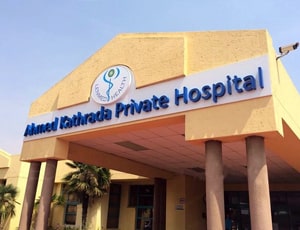
Lenmed Ahmed Kathrada Private Hospital provides ICD Combo Device Implantation (Surgery Only) using contemporary cardiac device implantation techniques and evidence-based care. Founded in 1984, the COHSASA, ISQua accredited hospital is based in Johannesburg, South Africa, with 254 beds and services for domestic and international patients.
ICD implantation may help protect eligible patients from dangerous ventricular arrhythmias and sudden cardiac arrest. The device continuously monitors the heart rhythm and can deliver an electrical shock or pacing therapy when a serious rhythm abnormality is detected. A detailed cardiac assessment is performed before surgery to select the appropriate device and implantation strategy.
Durban, South Africa
At Lenmed Ethekwini Hospital and Heart Centre, patients can access ICD Combo Device Surgery supported by advanced cardiac facilities and experienced electrophysiology specialists. Established in 2002, the accredited hospital is located in Durban, South Africa, and has 353 beds.
An implantable cardioverter-defibrillator (ICD) is designed to detect and treat certain dangerous heart rhythms. During surgery, the device is placed beneath the skin, typically in the chest, with leads positioned inside the heart. Before implantation, the cardiology team evaluates the patient's heart rhythm, cardiac function, medical history, and suitability for the device.

Mr. Hailu Kassa underwent Coronary Artery Bypass Surgery in Vejthani Hospital, Thailand under the supervision of Dr. Piya, Cardio-Thoracic Surgeon

Patient Testimonial: Rod Schaubroeck from United States (U.S.A) underwent heart valve replacement at Fortis Hospital, India
| Speciality | Cardiac Sciences |
| Procedure | ICD Combo Device (Only Surgery) |
| Success Rate | 95-98% |
| Recovery Time | 2-4 weeks |
| Treatment Time | 2-3 hours |
| Chances of Recurrence | 2% |
An ICD Combo Device is also known as an Implantable Cardioverter Defibrillator Combo Device. It is a specialized cardiac device used to treat life-threatening arrhythmias in the heart. ICD combo, as the name suggests, is a combination of two devices: an implantable cardioverter-defibrillator (ICD) and a cardiac resynchronization therapy (CRT) device. The ICD component monitors the heart's rhythm and delivers an electrical shock to restore normal heart rhythm in case a dangerous arrhythmia is detected. The CRT part of the device is responsible for synchronizing the heart's pumping action in patients with heart failure.
The ICD Combo Device is primarily used to treat conditions such as ventricular tachycardia and ventricular fibrillation, both types of life-threatening arrhythmias that can cause sudden cardiac arrest.
Recovery after the ICD Combo Device implantation typically involves a hospital stay of a few days. Patients usually experience some soreness and discomfort at the site of the incision, which improves gradually. During the recovery period, patients are recommended to avoid heavy lifting and strenuous activities to allow the incision site to heal properly. Regular follow-up visits with the cardiologist are necessary to monitor the device's function and make any necessary adjustments to its settings.
A number of determining factors can be used to rank hospitals for your suitable procedure. Some of the major factors for ranking the hospitals for ICD Combo Device (Only Surgery) in South Africa are Popularity for the procedure, Infrastructure, Availability of the Procedure, Experienced doctors, Technology used, Cost, Facilities provided, Success Rate
With MediGence, you can avail quality healthcare along with convenience and cost-savings. With us, you can receive top-notch medical treatment while saving money and making your journey hassle-free with some unmatched benefits & services. Some of our caregiving services & unmatched benefits include hotel stays or accommodation, airport transfers, dedicated case manager, care packages for recovery, online consultations with the specialist, 24/7 assistance, and prenegotiated treatment packages with an assured 30% discount. There are many more advantages for you besides the aforementioned services.
Yes, you can avail a video consultation with the specialist before travelling to South Africa. When having a conversation with one of our patient advisors, you can ask them to book your video consultation with the specialist. They will finalize your appointment after confirming the doctor's availability and sending the payment link.
Many people have started traveling to South Africa for ICD Combo Device (Only Surgery) due to the country’s modern healthcare infrastructure and high success rate. Other factors that make South Africa the preferred option for ICD Combo Device (Only Surgery) include:
The length of recovery after treatment is determined by the patient's overall health as well as the criticality of the treatment. Other than that, rehabilitation post-treatment also plays a crucial role in reducing the healing time and aiding in proper recovery. Patients must go back for follow-up appointments after surgery in order to ensure proper healing and speed up the healing process.