Browse verified doctors or let our care team help you find the doctor best suited to your condition, treatment goals, and budget.

Prince Court Medical Centre provides specialized CRT - P with a focus on precise device implantation, patient safety, and long-term cardiac management. Established in 2007, the MSQH hospital is located in Kuala Lumpur, Malaysia and operates 277 beds with modern cardiac infrastructure.
CRT-P is designed to provide cardiac resynchronisation by coordinating the contractions of the heart's ventricles through controlled electrical stimulation. It may be used in carefully patients with heart failure and specific electrical conduction abnormalities. Unlike a CRT-D system, CRT-P does not include an implantable defibrillator. Doctors perform detailed cardiac testing before implantation to determine suitability and plan the procedure, followed by regular device checks and cardiology follow-up to monitor therapy.
At Acibadem International Hospital, CRT - P is performed using advanced cardiac electrophysiology techniques and personalized treatment plans based on the patient's condition. Established in 1989, this JCI hospital in Istanbul, Turkey has 112 beds and provides comprehensive heart rhythm care.
CRT-P may be recommended for patients with heart failure, reduced ventricular function, and electrical conduction abnormalities that result in poorly coordinated heartbeats. The device uses leads to deliver electrical stimulation to the heart's ventricles, helping improve their synchronization. Before implantation, specialists generally perform ECG, echocardiography, and other cardiac assessments to determine whether CRT-P is appropriate. Follow-up visits are important for adjusting the device and evaluating treatment response.
Dubai, United Arab Emirates
At Burjeel Hospital for Advanced Surgery Dubai, CRT - P is performed using advanced cardiac electrophysiology techniques and personalized treatment plans based on the patient's condition. Established in 2023, this JCI hospital in Dubai, United Arab Emirates has 100 beds and provides comprehensive heart rhythm care.
CRT-P may be recommended for patients with heart failure, reduced ventricular function, and electrical conduction abnormalities that result in poorly coordinated heartbeats. The device uses leads to deliver electrical stimulation to the heart's ventricles, helping improve their synchronization. Before implantation, specialists generally perform ECG, echocardiography, and other cardiac assessments to determine whether CRT-P is appropriate. Follow-up visits are important for adjusting the device and evaluating treatment response.
At Mount Elizabeth Novena Hospital, CRT - P is performed using advanced cardiac electrophysiology techniques and personalized treatment plans based on the patient's condition. Established in 2012, this JCI hospital in Novena, Singapore has 313 beds and provides comprehensive heart rhythm care.
CRT-P may be recommended for patients with heart failure, reduced ventricular function, and electrical conduction abnormalities that result in poorly coordinated heartbeats. The device uses leads to deliver electrical stimulation to the heart's ventricles, helping improve their synchronization. Before implantation, specialists generally perform ECG, echocardiography, and other cardiac assessments to determine whether CRT-P is appropriate. Follow-up visits are important for adjusting the device and evaluating treatment response.
Asan Medical Centre offers advanced CRT-P (Cardiac Resynchronization Therapy with Pacemaker) using modern cardiac device implantation techniques and internationally accepted treatment protocols. Established in 1989, the ISO hospital is located in Seoul, South Korea and has 2700 beds, providing comprehensive cardiovascular care for local and international patients.
CRT-P is a device-based treatment used for patients with heart failure and abnormal electrical conduction that causes the heart's ventricles to beat out of sync. The device delivers coordinated electrical impulses to help synchronize ventricular contractions and improve cardiac efficiency. Before implantation, doctors assess heart rhythm, ventricular function, and overall cardiac health through ECG, echocardiography, and other tests. Regular follow-up helps monitor device function and the patient's response to therapy.
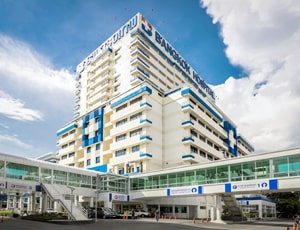
Bangkok Hospital provides specialized CRT - P with a focus on precise device implantation, patient safety, and long-term cardiac management. Established in 1972, the JCI hospital is located in Bangkok, Thailand and operates 580 beds with modern cardiac infrastructure.
CRT-P is designed to provide cardiac resynchronisation by coordinating the contractions of the heart's ventricles through controlled electrical stimulation. It may be used in carefully patients with heart failure and specific electrical conduction abnormalities. Unlike a CRT-D system, CRT-P does not include an implantable defibrillator. Doctors perform detailed cardiac testing before implantation to determine suitability and plan the procedure, followed by regular device checks and cardiology follow-up to monitor therapy.
At Mount Elizabeth Hospital, CRT - P is performed using advanced cardiac electrophysiology techniques and personalized treatment plans based on the patient's condition. Established in 1979, this JCI hospital in Singapore, Singapore has 345 beds and provides comprehensive heart rhythm care.
CRT-P may be recommended for patients with heart failure, reduced ventricular function, and electrical conduction abnormalities that result in poorly coordinated heartbeats. The device uses leads to deliver electrical stimulation to the heart's ventricles, helping improve their synchronization. Before implantation, specialists generally perform ECG, echocardiography, and other cardiac assessments to determine whether CRT-P is appropriate. Follow-up visits are important for adjusting the device and evaluating treatment response.
Kings College Hospital Dubai provides specialized CRT - P with a focus on precise device implantation, patient safety, and long-term cardiac management. Established in 2019, the JCI hospital is located in Dubai, United Arab Emirates and operates 100 beds with modern cardiac infrastructure.
CRT-P is designed to provide cardiac resynchronisation by coordinating the contractions of the heart's ventricles through controlled electrical stimulation. It may be used in carefully patients with heart failure and specific electrical conduction abnormalities. Unlike a CRT-D system, CRT-P does not include an implantable defibrillator. Doctors perform detailed cardiac testing before implantation to determine suitability and plan the procedure, followed by regular device checks and cardiology follow-up to monitor therapy.
At Parkway Pantai, CRT - P is performed using advanced cardiac electrophysiology techniques and personalized treatment plans based on the patient's condition. Established in 1974, this JCI, MSQH hospital in Kuala Lumpur, Malaysia has 499 beds and provides comprehensive heart rhythm care.
CRT-P may be recommended for patients with heart failure, reduced ventricular function, and electrical conduction abnormalities that result in poorly coordinated heartbeats. The device uses leads to deliver electrical stimulation to the heart's ventricles, helping improve their synchronization. Before implantation, specialists generally perform ECG, echocardiography, and other cardiac assessments to determine whether CRT-P is appropriate. Follow-up visits are important for adjusting the device and evaluating treatment response.
Vejthani Hospital is a trusted healthcare provider for CRT - P, offering advanced cardiac rhythm management supported by experienced specialists and modern medical infrastructure. Established in 1994, the JCI hospital is situated in Bangkok, Thailand and has 263 beds.
Cardiac Resynchronization Therapy with Pacemaker (CRT-P) can help improve the coordination of ventricular contractions in patients with heart failure and electrical conduction disorders. Unlike CRT-D, CRT-P provides resynchronization therapy without a defibrillator function. During implantation, leads are positioned in appropriate chambers of the heart and connected to a pulse generator placed beneath the skin. Comprehensive cardiac evaluation before treatment and regular device monitoring are important for effective long-term management.
Memorial Ankara Hospital provides specialized CRT - P with a focus on precise device implantation, patient safety, and long-term cardiac management. Established in 2014, the JCI hospital is located in Ankara, Turkey and operates 230 beds with modern cardiac infrastructure.
CRT-P is designed to provide cardiac resynchronisation by coordinating the contractions of the heart's ventricles through controlled electrical stimulation. It may be used in carefully patients with heart failure and specific electrical conduction abnormalities. Unlike a CRT-D system, CRT-P does not include an implantable defibrillator. Doctors perform detailed cardiac testing before implantation to determine suitability and plan the procedure, followed by regular device checks and cardiology follow-up to monitor therapy.
At Gleneagles Hospital, CRT - P is performed using advanced cardiac electrophysiology techniques and personalized treatment plans based on the patient's condition. Established in 1959, this JCI hospital in Singapore, Singapore has 258 beds and provides comprehensive heart rhythm care.
CRT-P may be recommended for patients with heart failure, reduced ventricular function, and electrical conduction abnormalities that result in poorly coordinated heartbeats. The device uses leads to deliver electrical stimulation to the heart's ventricles, helping improve their synchronization. Before implantation, specialists generally perform ECG, echocardiography, and other cardiac assessments to determine whether CRT-P is appropriate. Follow-up visits are important for adjusting the device and evaluating treatment response.
International St. Mary's Hospital offers advanced CRT-P (Cardiac Resynchronization Therapy with Pacemaker) using modern cardiac device implantation techniques and internationally accepted treatment protocols. Established in 2014, the JCI hospital is located in Seoul, South Korea and has 808 beds, providing comprehensive cardiovascular care for local and international patients.
CRT-P is a device-based treatment used for patients with heart failure and abnormal electrical conduction that causes the heart's ventricles to beat out of sync. The device delivers coordinated electrical impulses to help synchronize ventricular contractions and improve cardiac efficiency. Before implantation, doctors assess heart rhythm, ventricular function, and overall cardiac health through ECG, echocardiography, and other tests. Regular follow-up helps monitor device function and the patient's response to therapy.
Sunway Medical Centre is a trusted healthcare provider for CRT - P, offering advanced cardiac rhythm management supported by experienced specialists and modern medical infrastructure. Established in 1999, the ACHS hospital is situated in Kuala Lumpur, Malaysia and has 724 beds.
Cardiac Resynchronization Therapy with Pacemaker (CRT-P) can help improve the coordination of ventricular contractions in patients with heart failure and electrical conduction disorders. Unlike CRT-D, CRT-P provides resynchronization therapy without a defibrillator function. During implantation, leads are positioned in appropriate chambers of the heart and connected to a pulse generator placed beneath the skin. Comprehensive cardiac evaluation before treatment and regular device monitoring are important for effective long-term management.
Bangpakok 9 International Hospital offers advanced CRT-P (Cardiac Resynchronization Therapy with Pacemaker) using modern cardiac device implantation techniques and internationally accepted treatment protocols. Established in 2003, the JCI, GHA hospital is located in Bangkok, Thailand and has 300 beds, providing comprehensive cardiovascular care for local and international patients.
CRT-P is a device-based treatment used for patients with heart failure and abnormal electrical conduction that causes the heart's ventricles to beat out of sync. The device delivers coordinated electrical impulses to help synchronize ventricular contractions and improve cardiac efficiency. Before implantation, doctors assess heart rhythm, ventricular function, and overall cardiac health through ECG, echocardiography, and other tests. Regular follow-up helps monitor device function and the patient's response to therapy.