Browse verified doctors or let our care team help you find the doctor best suited to your condition, treatment goals, and budget.
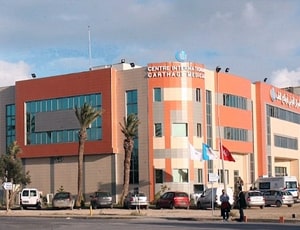
Carthage International Medical Center provides specialised Closed Heart Surgery with a focus on precise surgical correction, advanced cardiac techniques, and individualised postoperative care. Established in 2014, the JCI accredited hospital is located in Monastir, Tunisia and operates 120 beds, with modern cardiac surgical and critical-care infrastructure.
Closed Heart Surgery can treat selected congenital and cardiovascular conditions without directly opening the heart chambers. Depending on the diagnosis, procedures may involve repairing abnormal blood vessels, correcting vascular obstructions, or treating other structures surrounding the heart. A detailed preoperative assessment helps the cardiac team evaluate the patient's anatomy, determine the most suitable surgical approach, and plan appropriate postoperative monitoring.
At Taoufik Clinique, Closed Heart Surgery is performed using specialised cardiac surgical techniques and comprehensive preoperative cardiovascular assessment. Established in 1979, this ISO accredited hospital in Tunis, Tunisia has 180 beds and offers advanced pediatric and cardiothoracic surgical services.
Closed Heart Surgery may be considered for selected conditions such as patent ductus arteriosus, coarctation of the aorta, vascular rings, or certain congenital heart abnormalities that can be treated without directly opening the heart chambers. The surgical approach depends on the patient's diagnosis, age, anatomy, and overall health. Preoperative evaluation may include echocardiography, CT or MRI, cardiac catheterisation, and other cardiovascular tests, as appropriate.
Choosing Ezzahra Clinic for Closed Heart Surgery gives patients access to experienced cardiac surgeons, advanced cardiovascular imaging, pediatric intensive care facilities, and structured postoperative management. Established in 1986, the NABH accredited hospital in Ez Zahra, Tunisia has 110 beds and provides specialised congenital and cardiothoracic surgical services.
Closed Heart Surgery is performed under general anaesthesia, with the surgical approach determined by the underlying cardiac or vascular condition. Unlike procedures requiring direct opening of the heart chambers, selected closed procedures can be performed around the heart or on major blood vessels. After surgery, patients are monitored for cardiac function, oxygenation, bleeding, changes in heart rhythm, and other potential complications. Recovery depends on the specific procedure, the patient's age, and overall health.

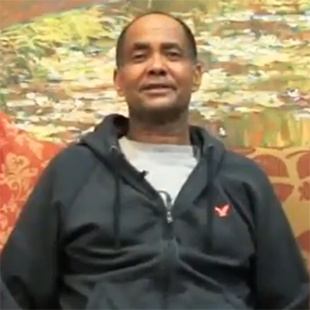
Mr. Hailu Kassa underwent Coronary Artery Bypass Surgery in Vejthani Hospital, Thailand under the supervision of Dr. Piya, Cardio-Thoracic Surgeon

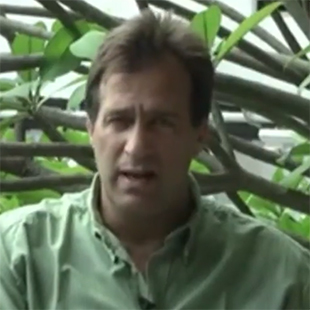
Patient Testimonial: Rod Schaubroeck from United States (U.S.A) underwent heart valve replacement at Fortis Hospital, India
| Speciality | Cardiac Sciences |
| Procedure | Closed Heart Surgery |
| Success Rate | 85-90% |
| Recovery Time | 4 to 6 weeks |
| Treatment Time | 3 to 6 hours |
| Chances of Recurrence | 5-10% |
Closed Heart Surgery, also known as Minimally Invasive Heart Surgery, is a surgical approach in which the heart is operated on without stopping it or using a heart-lung bypass machine. Small keyhole incisions are used instead of large incisions, reducing trauma and promoting faster recovery. In this procedure, specialized surgical instruments and a tiny camera are inserted through the small incisions to access and repair the heart.
Closed Heart Surgery can treat various heart conditions, including mitral valve repair or replacement, atrial septal defect closure, coronary artery bypass grafting (CABG), and atrial fibrillation treatment. It is also used for the placement of pacemakers and implantable cardioverter-defibrillators (ICDs).
The recovery process after Closed Heart Surgery is generally shorter than traditional open-heart surgery. Patients may spend a shorter time in the hospital, experience less pain, and have smaller scars. However, the recovery period can still vary depending on the individual's condition and the specific procedure performed. Cardiac rehabilitation, prescribed medications, and follow-up visits with the medical team are essential for a successful recovery and optimal outcomes. Patients are suggested to follow all the post-operative instructions to ensure proper healing and recovery after a closed heart surgery.
There are several factors for ranking the hospitals on the basis of the procedure. Some of the major factors for ranking the hospitals for Closed Heart Surgery in Tunisia are Infrastructure, Procedure Availability, Procedure Popularity, Technology, Affordability, Experienced Specialists, Quality of Resources, and Success Rate
MediGence works incredibly diligently to ensure that you get the best possible medical travel experience that is also accessible and reasonable. With us, you can receive top-notch medical treatment while saving money and making your journey hassle-free with some unmatched benefits & services. Some of the best caregiving services are Online consultation, Hotel Stays or Accommodation, Case Manager, Recovery Packages, 24/7 assistance, and Individually-crafted Packages with upto 30% savings. Furthermore, we have alot more other benefits for you to recieve top-notch medical care.
That's Correct. Before you decide on to travel for a medical purpose, you can avail a video consultation with the specialist. To schedule your online consultation with the specialist, you can reach one of our patient counselors. They will verify the doctor's consultation availability. Once confirmed, a payment link will be provided to you so you may schedule your online consultation.
Tunisia is becoming a prime destination for many people across the world for Closed Heart Surgery because of high success rates and modern infrastructure. Closed Heart Surgery is the best option when it comes to Tunisia for a variety of reasons including:
Different procedures have varying recovery times based on the patient's health and the complexity of the treatment. The patient should make sure to take all rehabilitation sessions and follow postoperative care protocols, among other things, to reduce their recovery time. To speed up recovery, it is advised that the patient maintain regular contact with their surgeon for a few months after surgery.