Browse verified doctors or let our care team help you find the doctor best suited to your condition, treatment goals, and budget.

Delhi, India
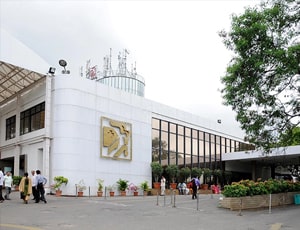
BLK-Max Super Speciality Hospital is a trusted healthcare provider for Balloon mitral valvotomy, offering advanced structural heart interventions supported by experienced interventional cardiologists and modern medical infrastructure. Established in 1959, the JCI, NABH hospital is situated in Delhi, India and has 650 beds.
Balloon Mitral Valvotomy can help improve blood flow in patients with significant narrowing of the mitral valve. The procedure uses a catheter-mounted balloon to enlarge the narrowed valve opening without requiring conventional open-heart surgery. It is particularly considered in selected patients with rheumatic mitral stenosis and favorable valve anatomy. Detailed echocardiographic evaluation is performed before treatment, while follow-up assessments help monitor valve function and the patient's clinical response.
At Artemis Health Institute, Balloon mitral valvotomy is performed using advanced catheter-based techniques and personalized treatment plans based on the patient's valve condition. Established in 2007, this JCI, NABH hospital in Gurgaon, India has 750 beds and provides comprehensive cardiovascular care.
Balloon Mitral Valvotomy may be recommended for selected patients with symptomatic mitral stenosis when the valve anatomy is suitable for catheter-based treatment. A balloon catheter is introduced through a blood vessel and positioned across the narrowed mitral valve. Inflation of the balloon helps widen the valve opening and improve blood flow. Before the procedure, doctors typically perform echocardiography and other cardiac tests to assess valve anatomy, severity of stenosis, and overall heart function.
Choosing Medanta - The Medicity for Balloon mitral valvotomy gives patients access to experienced interventional cardiologists, advanced imaging technology, and comprehensive valve care. Established in 2009, the JCI, NABH hospital in Gurgaon, India has 1250 beds and provides specialized cardiac services.
Balloon Mitral Valvotomy may be considered for patients experiencing symptoms such as breathlessness, fatigue, or reduced exercise tolerance caused by significant mitral valve stenosis. During treatment, a balloon is positioned across the narrowed valve and inflated to increase the valve opening and facilitate blood flow. Doctors assess the valve through echocardiography and other cardiac investigations before recommending the procedure. Post-procedure monitoring and regular cardiology follow-up help evaluate valve function.
Ghaziabad, India
Max Super Specialty Hospital, Vaishali provides specialized Balloon mitral valvotomy with a focus on minimally invasive treatment, procedural precision, and long-term cardiac care. Established in 2008, the NABL, NABH hospital is located in Ghaziabad, India and operates 370 beds with modern cardiac infrastructure.
Balloon Mitral Valvotomy is a catheter-based procedure designed to relieve narrowing of the mitral valve and improve blood flow through the heart. It is generally considered for carefully selected patients with significant mitral stenosis and suitable valve anatomy. The procedure involves advancing a balloon catheter to the mitral valve and inflating it to separate the valve leaflets. Comprehensive cardiac imaging before treatment helps determine suitability, while follow-up care monitors valve performance and potential complications.
Max Hospital, Gurgaon offers advanced Balloon Mitral Valvotomy using modern interventional cardiology techniques and internationally accepted treatment protocols. Established in 2007, the ISO, NABH, NABL hospital is located in Gurgaon, India and has 104 beds, providing comprehensive cardiac care for local and international patients.
Balloon Mitral Valvotomy is a minimally invasive procedure used primarily to treat suitable patients with significant mitral valve stenosis, in which the valve becomes narrowed and restricts blood flow from the left atrium to the left ventricle. During the procedure, a catheter with a balloon is guided to the mitral valve and inflated to separate the valve leaflets and improve blood flow. Echocardiography and other cardiac assessments are generally performed before treatment to determine suitability.
Fortis Escorts Heart Institute, Okhla is a trusted healthcare provider for Balloon mitral valvotomy, offering advanced structural heart interventions supported by experienced interventional cardiologists and modern medical infrastructure. Established in 1988, the NABL hospital is situated in Delhi, India and has 310 beds.
Balloon Mitral Valvotomy can help improve blood flow in patients with significant narrowing of the mitral valve. The procedure uses a catheter-mounted balloon to enlarge the narrowed valve opening without requiring conventional open-heart surgery. It is particularly considered in selected patients with rheumatic mitral stenosis and favorable valve anatomy. Detailed echocardiographic evaluation is performed before treatment, while follow-up assessments help monitor valve function and the patient's clinical response.
At Indraprastha Apollo Hospital, Balloon mitral valvotomy is performed using advanced catheter-based techniques and personalized treatment plans based on the patient's valve condition. Established in 1996, this JCI hospital in Delhi, India has 710 beds and provides comprehensive cardiovascular care.
Balloon Mitral Valvotomy may be recommended for selected patients with symptomatic mitral stenosis when the valve anatomy is suitable for catheter-based treatment. A balloon catheter is introduced through a blood vessel and positioned across the narrowed mitral valve. Inflation of the balloon helps widen the valve opening and improve blood flow. Before the procedure, doctors typically perform echocardiography and other cardiac tests to assess valve anatomy, severity of stenosis, and overall heart function.
Apollo Hospitals offers advanced Balloon Mitral Valvotomy using modern interventional cardiology techniques and internationally accepted treatment protocols. Established in 1988, the JCI hospital is located in Hyderabad, India and has 550 beds, providing comprehensive cardiac care for local and international patients.
Balloon Mitral Valvotomy is a minimally invasive procedure used primarily to treat suitable patients with significant mitral valve stenosis, in which the valve becomes narrowed and restricts blood flow from the left atrium to the left ventricle. During the procedure, a catheter with a balloon is guided to the mitral valve and inflated to separate the valve leaflets and improve blood flow. Echocardiography and other cardiac assessments are generally performed before treatment to determine suitability.
Star Hospitals offers advanced Balloon Mitral Valvotomy using modern interventional cardiology techniques and internationally accepted treatment protocols. Established in 2008, the NABH, NABL hospital is located in Hyderabad, India and has 435 beds, providing comprehensive cardiac care for local and international patients.
Balloon Mitral Valvotomy is a minimally invasive procedure used primarily to treat suitable patients with significant mitral valve stenosis, in which the valve becomes narrowed and restricts blood flow from the left atrium to the left ventricle. During the procedure, a catheter with a balloon is guided to the mitral valve and inflated to separate the valve leaflets and improve blood flow. Echocardiography and other cardiac assessments are generally performed before treatment to determine suitability.
At Sterling Wockhardt Hospital, Balloon mitral valvotomy is performed using advanced catheter-based techniques and personalized treatment plans based on the patient's valve condition. Established in 2001, this NABL hospital in Mumbai, India has 225 beds and provides comprehensive cardiovascular care.
Balloon Mitral Valvotomy may be recommended for selected patients with symptomatic mitral stenosis when the valve anatomy is suitable for catheter-based treatment. A balloon catheter is introduced through a blood vessel and positioned across the narrowed mitral valve. Inflation of the balloon helps widen the valve opening and improve blood flow. Before the procedure, doctors typically perform echocardiography and other cardiac tests to assess valve anatomy, severity of stenosis, and overall heart function.
Global Health City provides specialized Balloon mitral valvotomy with a focus on minimally invasive treatment, procedural precision, and long-term cardiac care. Established in 1999, the NABH, NABL hospital is located in Chennai, India and operates 200 beds with modern cardiac infrastructure.
Balloon Mitral Valvotomy is a catheter-based procedure designed to relieve narrowing of the mitral valve and improve blood flow through the heart. It is generally considered for carefully selected patients with significant mitral stenosis and suitable valve anatomy. The procedure involves advancing a balloon catheter to the mitral valve and inflating it to separate the valve leaflets. Comprehensive cardiac imaging before treatment helps determine suitability, while follow-up care monitors valve performance and potential complications.
Choosing Fortis Malar Hospital for Balloon mitral valvotomy gives patients access to experienced interventional cardiologists, advanced imaging technology, and comprehensive valve care. Established in 1989, the NABH hospital in Chennai, India has 180 beds and provides specialized cardiac services.
Balloon Mitral Valvotomy may be considered for patients experiencing symptoms such as breathlessness, fatigue, or reduced exercise tolerance caused by significant mitral valve stenosis. During treatment, a balloon is positioned across the narrowed valve and inflated to increase the valve opening and facilitate blood flow. Doctors assess the valve through echocardiography and other cardiac investigations before recommending the procedure. Post-procedure monitoring and regular cardiology follow-up help evaluate valve function.
At nanavati Super Speciality Hospital, Balloon mitral valvotomy is performed using advanced catheter-based techniques and personalized treatment plans based on the patient's valve condition. Established in 1950, this NABH hospital in Mumbai, India has 350 beds and provides comprehensive cardiovascular care.
Balloon Mitral Valvotomy may be recommended for selected patients with symptomatic mitral stenosis when the valve anatomy is suitable for catheter-based treatment. A balloon catheter is introduced through a blood vessel and positioned across the narrowed mitral valve. Inflation of the balloon helps widen the valve opening and improve blood flow. Before the procedure, doctors typically perform echocardiography and other cardiac tests to assess valve anatomy, severity of stenosis, and overall heart function.
Delhi, India
Max Super Speciality Hospital, Patparganj provides specialized Balloon mitral valvotomy with a focus on minimally invasive treatment, procedural precision, and long-term cardiac care. Established in 2005, the NABH, NABL, AACI hospital is located in Delhi, India and operates 400 beds with modern cardiac infrastructure.
Balloon Mitral Valvotomy is a catheter-based procedure designed to relieve narrowing of the mitral valve and improve blood flow through the heart. It is generally considered for carefully selected patients with significant mitral stenosis and suitable valve anatomy. The procedure involves advancing a balloon catheter to the mitral valve and inflating it to separate the valve leaflets. Comprehensive cardiac imaging before treatment helps determine suitability, while follow-up care monitors valve performance and potential complications.
Primus Super Speciality Hospital provides specialized Balloon mitral valvotomy with a focus on minimally invasive treatment, procedural precision, and long-term cardiac care. Established in 2001, the NABH hospital is located in Delhi, India and operates 250 beds with modern cardiac infrastructure.
Balloon Mitral Valvotomy is a catheter-based procedure designed to relieve narrowing of the mitral valve and improve blood flow through the heart. It is generally considered for carefully selected patients with significant mitral stenosis and suitable valve anatomy. The procedure involves advancing a balloon catheter to the mitral valve and inflating it to separate the valve leaflets. Comprehensive cardiac imaging before treatment helps determine suitability, while follow-up care monitors valve performance and potential complications.

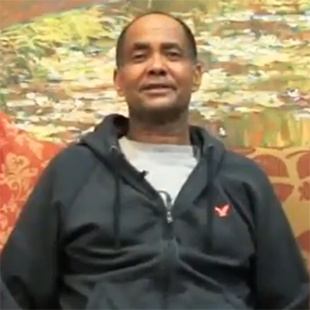
Mr. Hailu Kassa underwent Coronary Artery Bypass Surgery in Vejthani Hospital, Thailand under the supervision of Dr. Piya, Cardio-Thoracic Surgeon

Patient Testimonial: Rod Schaubroeck from United States (U.S.A) underwent heart valve replacement at Fortis Hospital, India