Browse verified doctors or let our care team help you find the doctor best suited to your condition, treatment goals, and budget.

At Centro Medico Teknon, Balloon Atrial Septostomy is performed using specialized catheter-based cardiac techniques and comprehensive pre-procedure assessment. Established in 1994, this JCI accredited hospital in Barcelona, Spain has 211 beds and offers advanced pediatric and congenital interventional cardiology services.
Balloon Atrial Septostomy may be considered for newborns with certain cyanotic congenital heart conditions in which restricted blood flow between the atria results in inadequate mixing of blood. A catheter with a small balloon at its tip is introduced through a blood vessel and guided into the heart. The balloon is passed through the atrial opening, inflated, and withdrawn to enlarge the opening and improve blood mixing. Echocardiography and other cardiac imaging techniques help guide the procedure.
Hospital Quironsalud Barcelona is a trusted healthcare provider for Balloon Atrial Septostomy, offering emergency and minimally invasive congenital heart interventions supported by experienced pediatric cardiologists, interventional cardiologists, neonatal specialists, advanced catheterisation laboratories, and intensive-care teams. Established in 1944, the JCI, ISO- accredited hospital is situated in Barcelona, Spain and has 165 beds.
Balloon Atrial Septostomy creates or enlarges an atrial communication to improve the movement and mixing of blood within the heart. This can be particularly important in congenital heart defects where adequate interatrial blood flow is necessary for oxygen delivery to the body. The procedure may provide temporary stabilization while the child is prepared for definitive surgical or catheter-based treatment. The medical team evaluates the underlying heart defect, oxygenation, circulation, and overall clinical condition before intervention.
Choosing Hospital Ruber International for Balloon Atrial Septostomy gives patients access to experienced pediatric cardiac specialists, advanced echocardiography and catheterization systems, neonatal intensive care, and structured post-procedure monitoring. Established in 1982, the ISO accredited hospital in Madrid, Spain has 345 beds and provides specialized congenital heart disease services.
Balloon Atrial Septostomy is generally performed under sedation or anaesthesia appropriate to the infant's condition. The balloon catheter is introduced through a vascular access point and carefully advanced into the heart under imaging guidance. After the balloon is positioned across the atrial opening, it is inflated and withdrawn to enlarge the communication. Following the procedure, the infant is closely monitored for oxygenation, heart rhythm, bleeding, vascular complications, and changes in cardiovascular status while further treatment is planned.
Choosing Jimenez Diaz Foundation University Hospital for Balloon Atrial Septostomy gives patients access to experienced pediatric cardiac specialists, advanced echocardiography and catheterization systems, neonatal intensive care, and structured post-procedure monitoring. Established in 1935, the ISO, JCI accredited hospital in Madrid, Spain has 686 beds and provides specialized congenital heart disease services.
Balloon Atrial Septostomy is generally performed under sedation or anaesthesia appropriate to the infant's condition. The balloon catheter is introduced through a vascular access point and carefully advanced into the heart under imaging guidance. After the balloon is positioned across the atrial opening, it is inflated and withdrawn to enlarge the communication. Following the procedure, the infant is closely monitored for oxygenation, heart rhythm, bleeding, vascular complications, and changes in cardiovascular status while further treatment is planned.
Choosing Quironsalud Torrevieja Hospital for Balloon Atrial Septostomy gives patients access to experienced pediatric cardiac specialists, advanced echocardiography and catheterization systems, neonatal intensive care, and structured post-procedure monitoring. Established in 2006, the ISO accredited hospital in Torrevieja, Spain has 119 beds and provides specialized congenital heart disease services.
Balloon Atrial Septostomy is generally performed under sedation or anaesthesia appropriate to the infant's condition. The balloon catheter is introduced through a vascular access point and carefully advanced into the heart under imaging guidance. After the balloon is positioned across the atrial opening, it is inflated and withdrawn to enlarge the communication. Following the procedure, the infant is closely monitored for oxygenation, heart rhythm, bleeding, vascular complications, and changes in cardiovascular status while further treatment is planned.
University Hospital Quironsalud Madrid offers advanced Balloon Atrial Septostomy using modern interventional cardiology techniques and individualized congenital cardiac care plans. Established in 2006, the ISO, JCI accredited hospital is located in Madrid, Spain and has 575 beds, providing comprehensive cardiac care for local and international patients.
Balloon Atrial Septostomy is a catheter-based procedure used to create or enlarge an opening between the atria to improve the mixing of oxygen-rich and oxygen-poor blood. It is most commonly performed in critically ill newborns with certain congenital heart defects where adequate blood mixing is essential for maintaining oxygen levels. During the procedure, a balloon-tipped catheter is passed through the existing atrial opening and inflated to enlarge the communication between the atria.
Dexeus University Hospital is a trusted healthcare provider for Balloon Atrial Septostomy, offering emergency and minimally invasive congenital heart interventions supported by experienced pediatric cardiologists, interventional cardiologists, neonatal specialists, advanced catheterisation laboratories, and intensive-care teams. Established in 1973, the JCI- accredited hospital is situated in Barcelona, Spain and has 200 beds.
Balloon Atrial Septostomy creates or enlarges an atrial communication to improve the movement and mixing of blood within the heart. This can be particularly important in congenital heart defects where adequate interatrial blood flow is necessary for oxygen delivery to the body. The procedure may provide temporary stabilization while the child is prepared for definitive surgical or catheter-based treatment. The medical team evaluates the underlying heart defect, oxygenation, circulation, and overall clinical condition before intervention.

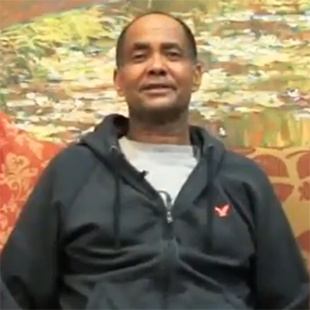
Mr. Hailu Kassa underwent Coronary Artery Bypass Surgery in Vejthani Hospital, Thailand under the supervision of Dr. Piya, Cardio-Thoracic Surgeon

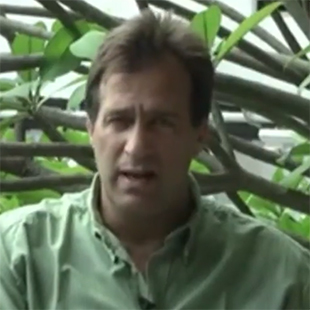
Patient Testimonial: Rod Schaubroeck from United States (U.S.A) underwent heart valve replacement at Fortis Hospital, India
A balloon atrial septostomy is a medical procedure that creates or expands an opening between the upper chambers of the heart (atria). During the procedure, a special catheter with a deflated balloon is inserted into the heart through a vein in the groin. Once in place, the balloon is inflated to widen the hole, allowing for better blood flow between the atria.
A balloon atrial septostomy is suggested for infants who are not receiving enough oxygenated blood. Conditions like certain congenital heart defects in which the major arteries leaving the heart are misformed, resulting in insufficient blood oxygenation, are corrected by this procedure.
After a balloon atrial septostomy, patients are closely monitored in the hospital for a short period of time. The recovery process usually involves rest and observation to ensure there are no complications. The medical team creates personalized post-procedure care plans and suggests a follow-up plan for the patient's continued recovery and well-being. Overall, the recovery can take anywhere from 3 to 4 weeks.
A number of determining factors can be used to rank hospitals for your suitable procedure. The following criteria can be used to classify hospitals for Balloon Atrial Septostomys in Spain- Popularity for the procedure, Infrastructure, Availability of the Procedure, Experienced doctors, Technology used, Cost, Facilities provided, Success Rate
Your health is a top priority for MediGence, and we make sure you get it effortlessly. All of this is made possible by the exceptional services we offer you, which make your healthcare experience comfortable, hassle-free, and budget-friendly. Our value-based services include airport transfers, accommodation, 24/7 assistance, Virtual consultation, case manager, and prenegotiated treatment packages with upto a 30% discount. Other than these, there are multiple value-added services you can avail with MediGence
Absolutely! Yes. Before you plan medical travel to Spain, you can benefit from an efficient & helpful online consultation with the chosen specialist there. When having a conversation with one of our patient advisors, you can ask them to book your video consultation with the specialist. They will check the doctor's availability, send the payment link to you, and finalize your appointment.
Balloon Atrial Septostomy in Spain is trusted by many people across the world due to the high rate of successful outcomes and world-class hospital infrastructure. In addition, there are other parameters that make Spain the ideal option for Balloon Atrial Septostomy. They include:
The time of recovery after treatment depends on the patient’s overall health as well as the criticality of the treatment. Other than that, rehabilitation post-treatment also plays a crucial role in reducing the healing time and aiding in proper recovery. Patients must go back for follow-up appointments after surgery in order to ensure proper healing and speed up the healing process.