PCOD Treatment in Turkey
- Top Accredited Hospitals
- Global Medical Standards
- Cutting-Edge Technology
- Proven Treatment Options
- High Success Rate
- Trusted by Millions

What is Polycystic ovarian disease (PCOD)?
Polycystic Ovarian Disease, or PCOD, is a disorder that affects women's ovaries. Many tiny cysts or follicles in the ovaries of people with PCOD do not develop and release eggs as they would during a menstrual cycle. Several symptoms, including irregular periods, acne, weight gain, excessive hair growth, and fertility issues, can be caused by this hormonal imbalance. However, it is thought to be associated with hormonal imbalance, namely, with an excess of androgen hormones (like testosterone) and insulin resistance.
What is the Importance of Timely Treatment?
To control symptoms, avoid problems, and enhance general health, PCOD treatment must be started as soon as possible. Menstrual cycle regulation, infertility risk reduction, and the avoidance of chronic illnesses like diabetes and heart disease can all be achieved with early intervention. Additionally, it can improve quality of life by reducing symptoms, including weight gain, excessive hair growth, and acne. Timely therapy also lowers the risk of problems, including endometrial cancer, improves metabolic health, and helps manage hormone imbalances.
What are the Common Symptoms of Polycystic Ovarian Disease (PCOD)?
The following are the most typical PCOD symptoms and indicators:
- Period irregularities
- Unusual growth of hair
- Acne
- Being overweight
- Skin darkening
- Cysts
- Hair loss
- Infertility
Causes, Risk Factors and Complications of Polycystic Ovarian Disease (PCOD)
Causes
Factors that might play a role include:
- Insulin resistance: The pancreas secretes the hormone insulin, which facilitates cells' usage of sugar as energy. Resistance raises the production of insulin, which might increase blood sugar levels. Overuse can result in the generation of androgen, which can disrupt ovulation.
- Low-level inflammation: According to research, people with PCOD have low-grade, chronic inflammation, which causes polycystic ovaries to produce androgens, which may result in heart and blood vessel problems.
- Heredity: Research suggests that specific genes may be linked to PCOD. A family history of the condition may influence the onset of PCOD.
- Excess androgen: When someone has PCOD, their ovaries may produce a lot of androgen. Ovulation is disturbed by excessive androgen production. This suggests that eggs do not consistently develop and are not frequently released from the follicles where they grow.
Risk Factors
- If your mother or sibling has PCOD, you may be at higher risk for developing it yourself. Obesity and insulin resistance may also increase your risk of developing it.
Complications
PCOD complications can include:
- Infertility
- High blood pressure brought on either pregnancy or gestational diabetes
- Early birth or miscarriage
- Nonalcoholic steatohepatitis, severe liver inflammation brought on by hepatic fat accumulation, is known as nonalcoholic steatohepatitis.
- Metabolic syndrome: Metabolic syndrome is a group of disorders that raises your risk of heart and blood vessel (cardiovascular) illness. These conditions include high blood pressure, excessive blood sugar, and dangerous levels of cholesterol or triglycerides.
- Prediabetes or type 2 diabetes
- Sleep apnea
- Eating disorders, anxiety, and depression
- Endometrial cancer, or cancer of the lining of the uterus
- Obesity frequently coexists with PCOD and can worsen its problems.
Connect with our advisor for a PRIORITY response
Latest Research and Technologies in the Treatment of Polycystic Ovarian Disease (PCOD)
- In Turkey, advances in PCOS treatment are distinguished by combining traditional methods and cutting-edge technology.
- Newer medications are proving useful for weight management and insulin resistance, with research underway to improve their usage in PCOS.
- Turkey's reproductive clinics are incorporating sophisticated treatments such as ovarian drilling and stem cell therapies to improve ovulation and fertility outcomes in PCOS patients.
- Advances in genetic research are paving the path for personalised treatment programs, with therapies tailored to individual metabolic and hormonal profiles.
- These advancements demonstrate Turkey's dedication to delivering comprehensive, innovative care for PCOS.
Polycystic Ovarian Disease (PCOD) Prevention Tips
Some prevention tips for managing and reducing the risk of PCOD:
- Maintaining a healthy weight
- Regularly exercising
- Taking Balanced diet
- Avoiding smoking
- Managing stress
- Monitoring blood sugar levels
- Routine visits to a healthcare provider to manage PCOD early.
- These steps can help manage symptoms and prevent the worsening of the condition.
Treatment options for PCOD
Polycystic Ovarian Syndrome (PCOS) Treatment: The goal of treating Polycystic Ovary Disease (PCOD) is to control symptoms such as irregular periods, infertility, and metabolic problems. Common strategies include hormonal therapy, dietary and activity modifications, and medications to reduce insulin levels and restore hormonal balance.
Intrauterine Insemination: One option for treating infertility in women with polycystic ovarian Disease (PCOD) is intrauterine insemination (IUI).
Cost Start From USD 1350 - USD 1650Explore Options
In vitro fertilisation (IVF): When medication doesn't assist with ovulation, PCOD patients may consider in vitro fertilisation (IVF).
Cost Start From USD 4000 - USD 7003Explore Options
- Pelvic exam: Your healthcare professional might examine your reproductive organs for growths, masses, or other changes during a pelvic exam.
- Blood tests: Hormone levels can be measured via blood testing. Potential causes of menstruation issues or androgen excess that resembles PCOD can be ruled out with this testing.
- Ultrasound: Your ovaries' appearance and the uterine lining's thickness can both be examined using an ultrasound. A transducer, which resembles a wand, is inserted into your vagina. Sound waves from the transducer are converted into visuals on a computer screen.
Typically, lifestyle changes are the main focus of PCOD rehabilitation, including:
- Weight management: A nutritious diet and consistent exercise are recommended to control weight and enhance insulin sensitivity.
- Stress management: Techniques to help balance hormones and lessen symptoms of stress, such as yoga, meditation, or mindfulness.
- Nutritional counselling: Personalized meal programs to help lower inflammation linked to PCOD and regulate blood sugar levels.
The goals of these rehabilitation techniques are to control PCOD symptoms, increase fertility, and improve general health.
Medications are employed for different stages:
- Regulating Periods:
- Combination birth control pills cut the risk of endometrial cancer, manage hormones, and minimise acne and excessive hair.
- Progestin medication doesn't alter testosterone levels or stop pregnancy, but it helps control periods and guard against endometrial cancer.
- Helping Ovulation & Fertility: Several medicines are available to treat PCOD infertility; these medications work to improve insulin resistance, induce ovulation, and aid in pregnancy.
- Reducing Excess Hair Growth & Acne: Birth control pills and hair removal methods like electrolysis and laser treatments are among the medications and therapies used to reduce excessive hair growth and acne in PCOD.
Instantly Connect with our Specialists


Hospitals for PCOD in Turkey

I.A.U VM Medical Park Florya Hospital
Istanbul, Turkey
I.A.U VM Medical Park Florya Hospital located in Istanbul, Turkey is accredited by JCI. Also listed below are some of the most prominent infrastructural details:
- Situated on an area of 51.000 m2
- Capacity of 300 beds
- 13 Operating rooms
- 92 Polyclinics
- Emergency Unit
- Intensive care Unit
- Parking lots
- Places of worship
- Rooms designed according to different needs offer the comfort of a 5-star hotel
- Special services are provided in all rooms, from television with domestic and foreign channels to internet service, from patient-specific diet menu to newspaper and magazine service
- Cafe/Restaurant with delicious menu

Medical Park Bahcelievler Hospital
Istanbul, Turkey
Medical Park Bahcelievler Hospital located in Istanbul, Turkey is accredited by JCI. Also listed below are some of the most prominent infrastructural details:
- Covers an area of 33.000 m
- 19-storey Hospital Building
- Capacity for 242 beds
- 89 Outpatient clinic rooms
- 10 Operating rooms
- 24 Newborn Incubators
- 6 Paediatric Intensive Care Beds
- 28 Adult Intensive Care beds
- 6 CVS and 12 cardiology intensive care beds
- Luxurious & comfortable rooms like of 5-star hotel rooms for patients
- Free Wi-fi
- Parking lot
- Place of worship
- Cafe/Restaurant

Medical Park Fatih Hospital
Istanbul, Turkey
Medical Park Fatih Hospital located in Istanbul, Turkey is accredited by JCI. Also listed below are some of the most prominent infrastructural details:
- Situated in an area of 6500 m2
- Capacity of 84 beds
- Emergency Clinic
- ICU
- Many special services, including but not limited to T.V. (all domestic and international canals are available), Internet, patient-specific diet and journals and newspapers, are offered to patients to maximize satisfaction
- Private rooms for patients available
- Family accommodation
- Pharmacy
- Laundry
- Mobility accessible rooms
- Parking lot
- Prayer Room
- Cafeteria
Our Services to better your experience
Opinion & Option
We submit the most accurate opinion and options from one or more countries for your review
Consult Privately
Consult with a certified specialist privately on our telemedicine platform even before you decide to travel
Logistics
We handle flights, visas, transfers, and accommodation—so you can focus on your health.
Recovery
Our In-house rehabilitation service packages to better your recovery and treatment outcome
Why Choose Turkey for Polycystic Ovarian Disease (PCOD) Treatment?
Here are some of the reasons for choosing Turkey:
- Advanced Treatment Options: Turkey provides hormonal therapy, laparoscopic ovarian drilling, and insulin-sensitizing medications to manage PCOD properly.
- Skilled Specialists: Turkey boasts qualified gynaecologists and reproductive professionals specialising in PCOD and infertility treatment.
- State-of-the-art technology: Hospitals use modern ultrasound imaging and 3D ovarian mapping to ensure accurate diagnosis and treatment planning.
- Affordable Care: PCOD therapy in Turkey is quite inexpensive, making it a desirable choice for international patients.
- Comprehensive Care: Turkish hospitals offer bilingual support, fertility preservation, and international patient aid to ensure a flawless experience.
Frequently Asked Questions
A PCOD diet that is low in fat and carbohydrates is advised, even if there are several lifestyle suggestions for women with PCOD. This will help you maintain control over your weight and avoid any unexpected increase in blood sugar levels. The following foods could be included:
- Unprocessed, natural food
- Kale, spinach, and other leafy greens
- Fiber-rich foods
- Cauliflower and broccoli
- Legumes and nuts
- Fish
- Low-fat dairy and whole grains
PCOS treatment in Turkey has a high success rate, with ovulation induction hitting 80% and IVF obtaining up to 50% pregnancy rates. Treatments are affordable because to favorable currency rates and government assistance. Turkey's high-quality care, which includes JCI-accredited facilities and qualified doctors, provides positive outcomes for PCOS patients.
If you have PCOD, you should lower your body mass index (BMI). Exercises of several kinds that you might want to think about include:
- Exercises for the heart
- Exercises for the mind and body
- Strength training
- Interval training
- High-intensity interval training (HIIT)
Yes, with excellent medical facilities and trained gynaecologists, PCOD treatment in Turkey is quite effective, especially for managing menstrual cycles and enhancing fertility.
PCOD treatment in Turkey is far less expensive than in other Western countries, while still delivering high-quality care and modern medical equipment.
Yes, IVF is a popular therapy option for PCOD patients who are experiencing infertility. Turkey has various reproductive centers with good success rates.
PCOD (Polycystic Ovarian Disease) and PCOS (Polycystic Ovary Syndrome) both affect the ovaries but differ in severity and long-term risks.
PCOD involves fewer, smaller cysts that may shrink with lifestyle changes and is more common, affecting about 10% of women. Infertility in PCOD can often be managed with treatment.
PCOS, a more severe metabolic disorder with multiple cysts, affects 0.2-2.5% of women and frequently leads to infertility, with higher risks of miscarriage and complications.
PCOS also has serious long-term health risks, including diabetes and heart disease, while PCOD usually doesn’t cause severe complications. Women with PCOS often experience more severe menstrual issues than those with PCOD.
The length of the healing period differs depending on the treatment. Laparoscopic surgery recovery time is normally 1-2 weeks, whereas hormonal therapy can take months to produce meaningful results.
Polycystic Ovary Disease, or PCOD, has no known cure; however, it is highly manageable. Women can control the symptoms of PCOD by leading a healthy lifestyle, eating a balanced diet, and exercising frequently.
The main goals of treating this illness are weight loss, insulin regulation, and regular ovulation. For therapies to help control periods, increase fertility, and lessen symptoms like acne and excessive hair growth, consult a doctor.
Although PCOD has no known cure, natural treatments can help control its symptoms. The key to managing the illness is leading a healthy lifestyle.
Weight control, a balanced diet of fruits, vegetables, whole grains, and regular exercise can significantly lessen symptoms.
PCOD symptoms may also be alleviated by supplements such as inositol, vitamin D, magnesium, and omega-3 fatty acids.
Making lifestyle adjustments that support general health is the primary goal of PCOD management at home.
- Regular physical activity lowers insulin resistance and aids in maintaining a healthy weight.
- Controlling blood sugar and hormone imbalances can be achieved by eating a diet rich in nutrients and low in glycemic foods.
- Try including foods that reduce inflammation, such as tomatoes, fatty salmon, and leafy greens.
- Stress reduction techniques like yoga or meditation can also enhance hormonal equilibrium.

Reviewer
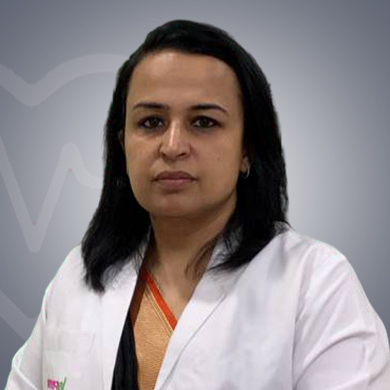
Dr. Nymphaea Walecha
Infertility & Laproscopy & Gynecologist
18 Years of Experience
Dr. Walecha, an M.D. Gynae from PGIMS Rohtak, Haryana, left her position as Assistant Professor of Obstetrics and Gynecology to train in Infertility Management and Assisted Reproductive Techniques at Fertility Clinic Mumbai under Dr. Sadhana Desai, who was instrumental in the country's second IVF baby. View More
Last Reviewed - January 2026