Degenerative Disc Disease Treatment in India
- Top Accredited Hospitals
- Global Medical Standards
- Cutting-Edge Technology
- Proven Treatment Options
- High Success Rate
- Trusted by Millions

What is Degenerative Disc Disease?
Degenerative disk diseases cause pain due to typical changes in your disks. This condition, despite its name, is not a disease. A degenerative disk is a problem that develops over time due to sports, injuries, daily activities, or the drying up and shrinking of a spinal disk.
What is the Importance of Timely Treatment?
Degenerative disc disease must be treated early to reduce pain and discomfort in the early stages and stop the problem from getting worse. Degeneration can cause more serious symptoms such as nerve compression, numbness, weakness, or chronic pain if treatment is not received.
These symptoms impair everyday activities and quality of life. Early intervention, including physical therapy, medication, and other interventions, can enhance overall function and reduce the course of the disease, allowing people to live healthier and more active lives.
What are the Common Symptoms of Degenerative Disc Disease?
The symptoms of Degenerative disc disease typically develop gradually and worsen over time. Signs and symptoms of degenerative disc disease include:
- Pain: Your joints may hurt during or after the activity.
- Stiffness: Your joints may feel stiffer when you first get up or after sitting for a long time.
- Tenderness: Light pressure on or near your joint may be painful.
- Loss of flexibility: You may be unable to move your joint through its full range of motion.
- A grating feeling: When you use the joint, you can have severe feelings and hear cracking or popping.
- Bone spurs: These additional bone pieces that feel like hard lumps grow around the joint.
- Swelling: This can be due to soft tissue inflammation around the joint.
Causes and Risk Factors of Degenerative Disc Disease
Causes
- Ageing: The intervertebral discs compress and lose their cushioning capacity as we age because they lose water content and become less flexible.
- Wear and tear of the disc: The discs may deteriorate with time because of repeated motion and pressure on the spine. The disc may expand or rupture due to the annulus, its outer layer, becoming cracked or torn by this repeated motion.
- Trauma or Injury: A history of trauma resulting from sports, falls, or auto accidents could damage spinal discs, leading to the vulnerability of disc degeneration.
- Genetics: Some individuals might inherit a tendency toward disc degeneration. Genetic factors can influence the strength and durability of the discs, which may lead to early or severe degradation.
Risk Factors
- Previous Spinal Injury
- Genetics
- Age
- Occupation
- Sedentary Lifestyle
Connect with our advisor for a PRIORITY response
Latest Research and Technologies in the Treatment of Degenerative Disc Disease in India
The NIH has recently developed a new research set exhibiting promising IDD treatment developments. Advanced therapies have been used in recent years: PRP therapy facilitates healing, and doctors use stem cell therapy to treat damaged discs. Scientists have also started developing novel materials called hydrogels that can rebuild the structure of deteriorated discs.
Treatment options for Degenerative Disc Disease
(Transforaminal Lumbar Interbody Fusion) TLIF: is a type of spinal fusion. TLIF is an interbody lumbar fusion that involves removing and replacing intervertebral disks in the lower back. It is most commonly referred to as the lumbar spine.
Cost Start From USD 4500 - USD 7000Explore Options
Disc Replacement: disc replacement in degenerative disc disease aims to alleviate pain and restore spinal motion by surgically excising the degenerated disc and substituting it with an artificial one. It is usually considered when conservative treatment fails and the degeneration causes significant pain or disability.
Cost Start From USD 7000 - USD 9000Explore Options
Laminectomy: For degenerative disc disease, a laminectomy is done to take out a part of the vertebra (lamina) to relieve the pressure on the spinal cord or nerves. It helps relieve pain, numbness, and weakness due to the compression of nerves.
Cost Start From USD 3000 - USD 5000Explore Options
Spinal Fusion: To stabilise the spine and alleviate pain, spinal fusion for degenerative disc disease involves permanently attaching two or more vertebrae. When disc degeneration creates unbearable pain or instability that does not respond to conservative therapy, this procedure is used.
Cost Start From USD 6500 - USD 9500Explore Options
Clinical assessment:
- Physical examination: Look for indications of discomfort, weakened muscles, or unusual posture.
- Range of Motion Tests: Evaluating the spine's range of motion while searching for limitations or pain.
- Flexion/extension tests are frequently used to assess spinal stability.
Imaging Tests:
- X-rays: to check for spinal abnormalities, bone spurs, and disc space constriction.
- MRI offers fine-grained images of soft tissues, nerve involvement, and discs.
Other diagnostic:
- Weight-bearing evaluation is used to evaluate mobility or discomfort while walking or standing.
- Balance Tests are used to look for problems with neuromuscular function and coordination.
MediRehab (chain of Rehab centres - Part of MediGence) provides comprehensive rehabilitation services designed to support Degenerative Disc Disease patients in India. These services include:
Personalised Therapy Plans: Improved mobility, pain management, improvement in strength, and reduction in inflammation.
Post-operative rehabilitation: Physical therapy sessions aimed at regaining joint strength and function.
- Depending on the situation, your healthcare professional may prescribe medicine to help control your symptoms and support the treatment plan.
Instantly Connect with our Specialists


Hospitals for Degenerative Disc Disease in India

Apollo Hospital International Limited
Ahmedabad, India
Apollo Hospital International Limited located in Ahmedabad, India is accredited by JCI, NABH. Also listed below are some of the most prominent infrastructural details:
- Hospital with 234 bed capacity
- Credit for doing the autologous stem cell transplant when a patient has acute myeloid Leukemia
- Regular transplants of cell and bone marrow
- A 1.5 Tesla MRI scan is available, only healthcare organisation in Gujarat with this option
- Success percentage of 90 when critical oncology procedures are done
- Diagnostics such as Blood Tests, X-Ray, Echo and Cardiac related tests
- International Patient Care related facilities: Accommodation, Airport Transfer, Meals per choice, Interpreter, SIM, TV inside room
- Excellent line up of doctors, surgeons and healthcare professionals such as nurses, technicians

Manipal Hospital, Gurugram
Gurgaon, India
Manipal Hospital, Gurgaon, which used to be Columbia Asia Hospital, is a 100-bed, multispecialty facility that was established in 2008. It is recognized by NABH, and offers complete care in six specialties: neurology, cardiology, oncology, gynecology, orthopedics, and psychiatry. By bringing together modern infrastructure, sophisticated technology, and a team of qualified medical and nursing staff as a part of its value system, the hospital emphasizes ethics and high-quality, affordable healthcare. The hospital maintains an integrated and collaborative framework, and is able to provide 24/7 emergency services and critical care, to achieve the best possible outcomes, with patient satisfaction and treatment as a whole being a fundamental feature of the service.

Manipal Hospitals Goa, Dona Paula
Panjim, India
Manipal Hospital Goa, a 235-bed multi-speciality hospital under Manipal Health Enterprises, is located in Dona Paula, Panaji. Spread across 6 acres overlooking the Arabian Sea, it offers world-class preventive, curative, and rehabilitative care supported by modern ICUs, modular OTs, and 24x7 diagnostic and pharmacy services. The hospital performs over 1,800 surgeries annually across key specialties such as cardiology, oncology, orthopaedics, neurosurgery, and nephrology. With a skilled team of doctors and staff, it ensures patient-centric care and safety. Its International Patient Care Centre and MARS ambulance service further enhance accessibility, making it one of Goa’s most trusted healthcare destinations.
Our Services to better your experience
Opinion & Option
We submit the most accurate opinion and options from one or more countries for your review
Consult Privately
Consult with a certified specialist privately on our telemedicine platform even before you decide to travel
Logistics
We handle flights, visas, transfers, and accommodation—so you can focus on your health.
Recovery
Our In-house rehabilitation service packages to better your recovery and treatment outcome
Why Choose India for Degenerative Disc Disease Treatment?
India is the best place to receive treatment for degenerative disc disease as it offers state-of-the-art options like non-surgical treatments and minimal access spine surgery at one-tenth the price of Western countries. The modern medical facilities, expert physicians, and minimal wait time ensure that the patients receive individual attention and timely care. It is ready to give efficient treatment for degenerative disc disease due to its advanced technology, knowledge, and cost for people.
Frequently Asked Questions
Degenerative disc disease is a regular aspect of ageing and cannot be cured. The spine's discs gradually lose their cushioning and flexibility as they undergo natural wear and tear. However, many medications effectively reduce symptoms such as pain and discomfort. These can include lifestyle changes, spinal injections and physiotherapy. In some instances, surgery may be necessary, such as disc replacement or spinal fusion, to remove pain and enhance function if alternative treatments fail.
The goals of degenerative disc disease treatment are to control symptoms, increase the range of motion, and stop more harm. They include:
Non-Surgical Treatment:
- Physical therapy: Activities that enhance muscular strength, improve range of motion, and reduce spinal strain.
- Medication: Take muscle relaxants, nerve pain medicines, and pain relievers to relieve the pain and inflammation.
- Lifestyle Changes: Maintaining a healthy weight, adopting proper posture, and avoiding activities that strain the spine.
- Applying heat or cold packs to alleviate pain and inflammation is called "heat or cold therapy."
Surgical Treatment:
If conservative approaches have been ineffective, surgical treatments may become necessary.
- Spinal Fusion: Two or more vertebrae may be fused to stabilise the spine.
- Artificial Disc Replacement: The disc is replaced by a new artificial disc to retain the movement of the spine.
- Discectomy: A part of the diseased disc is excised to alleviate nerve compression.
- Laminectomy: Removing part of the vertebra to release pressure on the nerves.
Recovery from degenerative disc disease surgery differs depending on the treatment. For spinal fusion, the initial healing process may take three to six months, while the whole recovery process may last up to a year. Typically, artificial disc replacement takes three to six months, but some patients can even return to light activities as early as six to twelve weeks post-surgery.
Recovery is much faster after a discectomy or laminectomy; most patients return to moderate activities in 4–6 weeks and fully recover in about 3 months. Further treatment with physical therapy is usually recommended to help the patient regain mobility and improve recovery.
Degenerative disc disease can impact daily functioning, mainly if it results in severe pain, stiffness, or loss of mobility. In this case, performing activities such as lifting, bending, or prolonged sitting may be difficult. In addition, it can lead to chronic neck or back pain that can affect one at work, even during exercise or recreation.
Sometimes, nerve compression leads to weakness, tingling, or numbness in the arms or legs, making daily activities even more difficult. However, with proper care, many people can control their symptoms and continue their regular activities.
Lifestyle changes, including regular low-impact exercise, healthy weight, proper posture, and avoiding prolonged periods of sitting, can control degenerative disc disease. Adequate lifting of objects, strengthening and extending muscles, and sleeping in good support positions reduce the stress on the spine. Quitting smoking and taking breaks during the day also relieves symptoms and stops further degeneration.
Our facility, MediRehab, is part of the renowned medical organisation MediGence in India. It offers complete degenerative disc disease treatment services. Physical therapy is a key part of treatment. It increases flexibility, reduces pressure on the affected discs, and strengthens the muscles surrounding the spine.
Our therapists use exercises to relieve pain, improve posture, and stabilise the spine. They also teach proper body movements to avoid further strain. These exercises are crucial to non-surgical treatment and improving mobility and overall well-being.
MediGence can assist you at every step and help you find the best physician and medical facility for your care.
Degenerative disc disease may have a genetic component. If you have a family history of the condition, you may be at a higher risk of developing disc degeneration or back problems. Genetics can influence how the spine discs degenerate and age over time. However, lifestyle factors such as weight, posture, exercise level, and past injuries play a significant role in how degenerative disc disease develops and progresses.
Degenerative disc disease can cause tingling or numbness, especially if the discs exert pressure on the surrounding nerves. This pressure may compress nerves in areas such as the arms, legs, or lower back, potentially causing symptoms like tingling, numbness, or weakness.
The above symptoms are termed "nerve pain" or "radiculopathy." It usually occurs when disc degeneration leads to the irritation or compression of nerves.

Reviewer
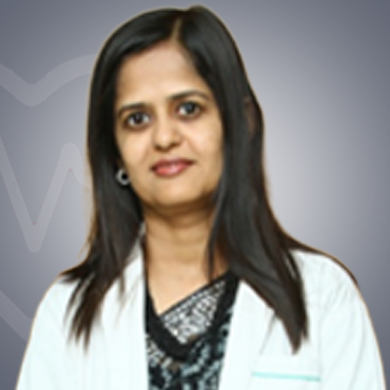
Dr Sonal Gupta
Neurosurgeon
29 Years of Experience
Dr. Sonal Gupta has an experienced neurosurgeon with more than 29+ years of clinical expertise. She is currently the Director, Neuro & Spine Surgery at Fortis Hospital, Shalimar Bagh. Before joining Fortis, she has been associated with various organizations such as Maharaja Agrasen Hospital, Action Balaji Hospital, and Max Hospital. View More
Last Reviewed - January 2026