Your Notifications
All done, no notifications

3 Specialists

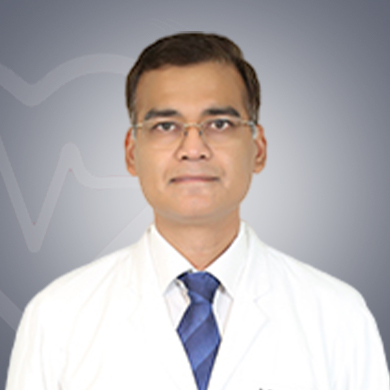
Dr. Pravas Chandra Mishra

Hematologist

, Faridabad, India

20 Years of experience

Speaks: English,Hindi

USD 50 USD 45 for video consultation


Dr Pravas Chandra Mishra is one of the top Haemato Oncologist in Ghaziabad, India. The medical practitioner holds over 20 years of experience and was associated with Max Super Specialty Hospital, Vaishali.

Association and Memberships Dr. Pravas Chandra Mishra is part of:

  • Indian Society of Haematology and Transfusion Medicine
  • Association of Physicians of India

Qualifications :

  • MBBS
  • MD (Internal Medicine)
  • DM (Clinical Hematology)
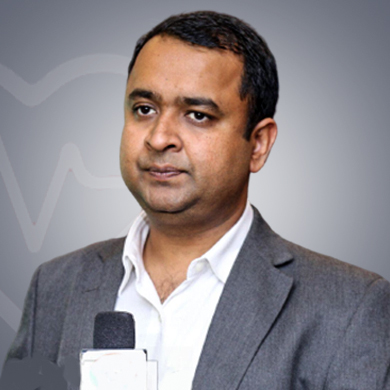
Dr. Sumant Gupta

Radiation oncologist

, Faridabad, India

19 Years of experience

Speaks: Tamil , English


Dr Sumant Gupta is one of the foremost Medical Oncologist in Faridabad, India. The clinician holds over 16 years of experience and is associated with Sarvodaya Hospital and Research Centre.

Association and Memberships Dr. Sumant Gupta is part of:

  • Delhi Medical Council

Qualifications :

  • MBBS
  • DM
  • MD

Hospital Address :

Sarvodaya Hospital, Sector 8, Faridabad, Haryana, India

What is the medical expertise of Dr Sumant Gupta?

  • Dr Sumant Gupta is a revered medical oncologist with 16 years of experience. He has special interests in adult medical oncology, bone marrow transplantation, hematological malignancies and pediatric hemato-oncology.
  • Dr Gupta received the Young Scholar Award(TYSA) for being the Best-DM-Oncology Fellow in 2015.
  • At present, he serves as the Founder and Executive Secretary of the National Cancer Society and the Executive Committee Member of the Indian society of Oncology and Breast Cancer Foundation, India. He is registered with the Delhi Medical Council.
  • Dr Sumant Gupta has published his research in many reputed journals. Some of his publications include:
    1. Molecular biology of lung cancer-a review.
    2. Feasibility of combining humanized anti-epidermal growth factor receptor monoclonal antibody h-R3 (nimotuzumab) with the chemotherapy-A study of toxicity profile 
Frequently Asked Questions
Which are some of the best hospitals Hematologists in Faridabad, India are associated with?

Following are some of the best clinics in Faridabad, India with whom Hematologists are associated with:

Which are some of the procedures performed by Hematologists in Faridabad, India?

Some of the most popular procedures performed by hematologists in Faridabad are:

Which are some of the conditions treated by Hematologist in Faridabad, India?

Listed below are some of the most common conditions performed by hematologists in Faridabad, India are:

  • Lymphoma
  • Spinal Injury
  • Leukemia
  • Sickle Cell Disease
  • Thalassemia
  • Congenital Neutropenia
  • Hematological Disorders
  • Acute Myelogenous Leukemia (AMI)
  • Acute Lymphocytic Leukemia
  • Neuromuscular Disorders
  • Multiple Myeloma
  • Aplastic Anemia
  • Orthopedic Conditions
Who is a Hematologist?

Hematologists are internal medicine doctors who have training in disorders related to the bone marrow, blood, and lymphatic system. They may work in hospitals, clinics, or blood banks. Hematologists who practice in labs are called hematopathologists. They are well- trained in pathology, a branch of medicine that studies body tissues and the blood with microscopes or tests.

If your primary care physician has advised you to see a hematologist, it might be because you are at risk for a disease involving the red or white blood cells, blood vessels, platelets, bone marrow, spleen, and lymph nodes.

A hematologist:

  • Diagnoses and treats chronic and acute diseases that affect the blood including issues with blood clotting, blood cell production, and cancer
  • Provides screening of blood disorders, such as sickle cell anemia, hemophilia
  • Performs a physical exam and studies the patient’s personal as well as family medical history
  • Orders and evaluates blood and genetic tests and also prescribes medications

A hematologist may also be known by the following names: blood disease specialist or blood doctor.

What are the qualifications of a Hematologist?

When choosing a hematologist, board certification plays a key role. A doctor might treat patients with blood disorders and conditions without being board certified in hematology. However, training, education, experience and certification establish the hematologist’s level of competence. Also, board certification tells whether the doctor has completed a training program and cleared an exam demonstrating their expertise in hematology.

This is the pathway:

• Graduation in medicine (MBBS) followed by post graduation programme (MD or DO).

• Residency training as well as certification exam in internal medicine

• More training (fellowship programs) and certification exams in hematology.

What conditions do Hematologists treat?

A hematologist treats conditions that involve the blood including:

  • Anemia
  • Bleeding disorders including von Willebrand disease and hemophilia
  • Blood cancer including lymphoma, leukemia and myeloma
  • Blood clots and clotting disorders, such as deep vein thrombosis
  • HIV/AIDs including anemia and AIDs-related lymphoma
  • Iron storage disorders including hemochromatosis
  • Malaria
  • Spinal Injury
  • Sickle Cell Disease
  • Hematological Disorders
  • Acute Myelogenous Leukemia
  • Thalassemia
  • Congenital Neutropenia
  • Acute Lymphocytic Leukemia
  • Aplastic Anemia
  • Orthopedic Conditions
  • Neuromuscular Disorders
  • Multiple Myeloma
What diagnostic tests are required by a Hematologist?

A hematologist can order a wide variety of diagnostic tests, such as:

  • Biopsy
  • Blood plasma and platelet tests
  • Genetic testing for sickle cell anemia and hemophilia
  • Laboratory tests including complete blood count
  • Erythrocyte sedimentation rate
  • International normalized ratio
  • Partial thromboplastin time
  • Prothrombin time
When should you visit a Hematologist?

Your primary care doctor may tell you to see a hematologist if you have the following symptoms:

  • Fatigue, dizziness, chest pain, weakness, headache, brittle nails, hair loss, shortness of breath
  • Irregular heartbeat, whooshing sound in the ears, pale or yellow skin
  • Bleeding disorder symptoms like bleeding gums, bruising, excessive bleeding when cut, heavy menstrual bleeding, and unexplained nosebleeds
  • Blood clotting disorder symptoms
  • Fever, fatigue, headaches, chills, weakness, night sweats, swollen tonsils
  • Lymphoma symptoms, such as fever, swollen lymph nodes, weakness, fatigue, sweating, weight loss, chest pain
  • Myeloma symptoms like anemia, bone pain, fractures, and weight loss.
  • Sickle cell anemia symptoms including swelling of the hands and feet, and dark urine
What can you expect from your first visit with a Hematologist?

You might not always come face to face with a hematologist. They often work closely with your pediatrician, internist, oncologist, or other primary doctor to study your test results or to evaluate your condition. A lab technician who collects your blood sample isn’t a doctor.

They will conduct a physical exam to test the functioning of the body. In addition to tests and physical exams, you could get a lot of information at your first appointment. You may need to bring a family member or friend along with you. The person you bring can help ask questions, listen, and take notes.

Which are the most common procedures performed by a Hematologist?

Some popular procedures performed by hematologists are:

  • CAR-T
  • Bone Marrow Transplant
  • Stem Cell Therapy
  • Blood transfusion
  • Chemotherapy
  • Immunotherapy
  • Ablation therapy

FAQs related to India