Your Notifications
All done, no notifications

5 Specialists

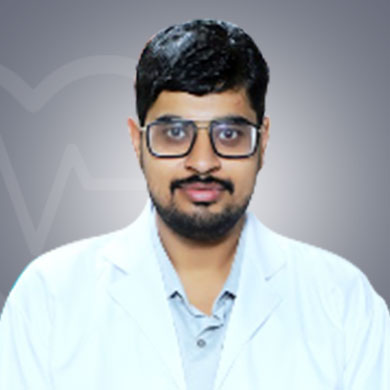
Dr. Vivek Kumar Jindal

Pediatric Surgeon

, Faridabad, India

7 Years of experience

Speaks: English

USD 48 USD 40 for video consultation


Vivek Kumar Jindal is a specialized General Surgeon. And one of the most sought after medical specialists in India. The doctor has 7 Years of experience and is associated with, one of the best hospitals in Faridabad, India.

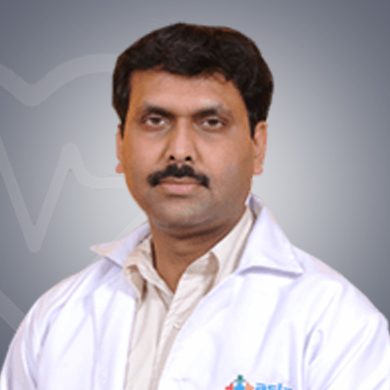
Dr. Pankaj Kumar Hans

General Laparoscopic Surgeon

, Faridabad, India

20 Years of experience

Speaks: English , Hindi

USD 40 USD 35 for video consultation


Dr.Pankaj Kumar Hans is a specialized General Surgeon. And one of the most sought after medical specialists in India. The doctor has 20 of experience and is associated with , one of the best hospitals in India.
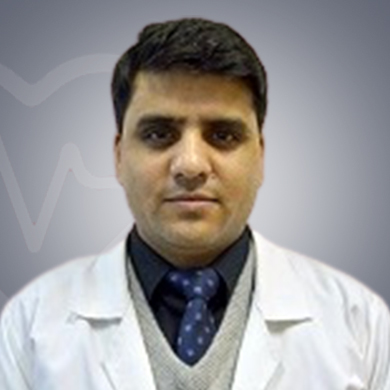
Dr. Ved Prakash

Bariatric Surgeon

, Faridabad, India

25 Years of experience

Speaks: English ,Hindi


Dr Ved Prakash is one of the most sought after Laparoscopic & Bariatric Surgeon in Faridabad, India. The medical specialist holds over 20 years of experience and is associated with Asian Institute of Medical Sciences.

Association and Memberships Dr. Ved Prakash is part of:

  • Association of Surgeons of India
  • Indian Medical Association
  • International College of Surgeons
  • Association of Indian Surgeons
  • Delhi medical council
  • Haryana medical council
  • Bihar medical council

Qualifications :

  • MBBS
  • MS

Hospital Address :

Asian Institute of Medical Sciences, Sector 21A, Faridabad, Haryana, India

What is the medical expertise of Dr. Ved Prakash?

  • Dr. Ved Prakash is one of the leading laparoscopic and bariatric surgeons in India.
  • He has more than 25 years of experience in conducting emergency and trauma surgeries.
  • His specializations include advanced laparoscopic procedures, endocrine surgery, bariatric surgery, and thoracic surgery.
  • Dr. Ved Prakash has expertise in performing surgeries for varicose veins, endocrine disorders, malignant and benign colorectal diseases and hernias.
  • Dr. Prakash has received several awards for his contributions. He is the recipient of the Betadine Young Surgeon Award (2011). The Association of Surgeons of India also awarded him the Ethicon Traveling Fellowship in 2010.
  • Dr. Ved Prakash has completed a Fellowship in Laparoscopic Onco and Colorectal surgery from the Academic Medical Center(Netherlands), Fellowship in Advanced Laparoscopic Surgery, and a Fellowship in Laparoscopic Hernia Surgery.
  • Dr. Ved Prakash completed his MBBS from SKM Govt. College(Muzaffarpur, U.P.) and an MS in Surgery from SS Medical College(Rewa, M.P.).
  • He is a respected member of notable professional associations such as the International Association of Surgeons, Gastroenterologists and Oncologists(IASGO). He is also a life member of the Indian Medical Association and the Association of Surgeons of India.

Do you know?

Using MediGence’s Telemedicine Platform, you can book a personalized video consultation with renowned doctors around the world

Explore Telemedicine Platform

Featured Telemedicine Doctors

Dr. M Anjum Sidhiqui

Laparoscopic Surgeon

, Faridabad, India

10 Years of experience

Speaks: Hindi , English


Dr M Anjum Sidhiqui is one of the best General & Laparoscopic Surgeon in Faridabad, India. The medical specialist holds over 10 years of experience and is associated with Sarvodaya Hospital and Research Centre.

Qualifications :

  • MBBS
  • DNB (GENERAL SURGERY)
  • PLABS

Hospital Address :

Sarvodaya Hospital, Sector 8, Faridabad, Haryana, India

Frequently Asked Questions
Which are some of the best hospitals General Surgeons in Faridabad, India are associated with?

Given below are some of the most popular hospitals in Faridabad, India where General Surgeons work:

Who is a General Surgeon?

General surgeons are doctors who specialize in surgical procedures to treat conditions related to various body parts. A general surgeon is part of a surgical team that includes nurses, an anesthesiologist, and surgical technicians. A general surgeon has specialized knowledge of different surgical processes, from the initial evaluation through preparation and post-operative management.

A general surgeon understands all the below-given basic areas of surgery:

  • The endocrine system
  • Surgical management of traumatic injuries
  • Care of critically ill patients with surgical needs
  • The digestive tract
  • Surgical treatment of cancer
  • The abdomen and its contents
  • The skin and soft tissues, such as the breasts
  • The head and neck
  • The blood vessels, heart

Today, most general surgeons are familiar with minimally invasive procedures like laparoscopy. Laparoscopic surgeries make use of much smaller tools, including small cameras that allow the surgeon to see what is going on inside the body. These specialized instruments will help the surgeon make much smaller cuts than they could with conventional procedures.

General surgeons have a broad knowledge of different diseases and conditions. They will tell you whether you require surgery and what kind of surgery would be best for you. As general surgeon treats a variety of conditions, they need to meet unique needs.

What are the qualifications of a General Surgeon?

Anyone interested in becoming a general surgeon needs to go through a long period of medical education for acquiring board certification and licensure. After completing 10+2 with PCB, a candidate can continue your further studies towards becoming a general surgeon.

These doctors have special training in the field of general surgery. They have to earn an MBBS degree before focusing on their specialty area.

After obtaining an MBBS degree, the next step is to pursue the PG course, MS, which is one of the most popular PG courses after MBBS. This degree makes you eligible for practicing as a general surgeon. A surgeon's residency program includes at least 48 weeks of full-time work with patients.

Some of the specialization areas for a prospective general surgeon are:

  • General surgery
  • Gynecologic oncology
  • Ophthalmic
  • Orthopedic
  • Pediatric
  • Urology
  • Colon and rectal
  • Cardiothoracic
  • Gynaecology, Obstetrics
  • Neurological
What conditions do General Surgeons treat?

General surgeons provide medical as well as surgical care. They focus on injuries and conditions affecting the breasts, abdomen, digestive system, skin, and endocrine system. They also evaluate imaging tests, lab tests, and biopsies as part of delivering care. Surgeons treat people of all ages, with a wide range of conditions.

Here are some common conditions they treat:

  • Abdominal pain
  • Gallbladder Inflammation and Ggeneral surgeontones
  • Gastrointestinal (GI) Diseases: gastroesophageal reflux disease, liver cirrhosis, ulcers, gastritis, pancreatitis, and inflammatory bowel disease
  • Hernia, cancer
  • Thyroid disorders: thyroid cancer, hyperthyroidism, goiter, and non-cancerous thyroid tumors, cysts, or nodules
  • Varicose veins
What diagnostic tests are required by General Surgeon?

Many general surgeons recommend routine laboratory tests before admission to the hospital, or before some outpatient procedures, to identify exact problems that may complicate surgery if not detected and treated early. A general surgeon may tell you to get the below tests done to identify your condition and design a treatment plan accordingly.

  • Electrocardiogram (ECG)
  • Chest X-rays
  • Urinalysis
  • White blood count
  • CT scan, MRI scan
  • Ultrasound
  • Positron Emission Tomography (PET) Scan
  • Endoscopy
  • Biopsy
  • Coloscopy
  • Bronchoscopy
  • Colonoscopy
  • Colposcopy
  • Echocardiogram
When should you visit a General Surgeon?

Your doctor/general physician may refer you to a general surgeon depending on the diagnostic reports and the complexity of your condition. General physicians and other doctors work very closely with general surgeons in case the treatment plan requires an invasive approach. It may be because the medications are not working and there’s a disease that needs to be removed surgically by a general surgeon.

Below are some symptoms which suggest that you need to consult a general surgeon to discuss your problem and get treatment options.

  • Skin lesions
  • Breast lumps
  • Consistent pain in the abdomen
  • Gallbladder disease or ggeneral surgeontone
  • Hernia
  • Intestinal obstruction or perforation
  • Gastrointestinal problem
  • Inflammation in internal organs
  • Uncontrolled internal bleeding
  • Appendicitis
  • Gunshot wound
What can you expect from your first visit with a General Surgeon?

When you visit with a general surgeon, they will thoroughly evaluate your health in order to make sure that surgery is the right option for you. The surgeon will also explain the procedure and answer your queries about the procedure.

Your first visit with a surgeon typically is a consultation designed to assess your medical history and tests, review how the problem may be affecting you, and completely examine you to collect the necessary information that will help in deciding the next steps together. Sometimes, we might need more information like additional tests and discussions with your PCP to ensure that all of the medical issues have been addressed.

Your general surgeon will tell you how to get ready for the operation, including:

  • If you need to take any medications
  • If you need to take any tests
  • Whether you have to avoid drinking or eating before the procedure

The surgeon will tell you what to expect during your recovery. If your surgery needs a hospital stay, they will tell you how long you could expect to stay in the hospital and what you will require once you are discharged.

Which are the most common procedures performed by a General Surgeon?

Some common procedures performed by a general surgeon include:

  • Laparoscopic / Open Appendicectomy
  • Minimal Invasive Haemrrhoidectomy (Stapled hemorrhoidectomy)
  • Laparoscopic / Open Cholecystectomy
  • Surgery for Gynaecomastia
  • Modified Radical Mastectomy
  • Pilonidal Sinus Excision
  • Appendectomy
  • Cesarean section
  • Carotid endarterectomy
  • Hemorrhoidectomy
  • Hysterectomy
  • Inguinal hernia repairs
  • Tonsillectomy
  • Ambulatory Phlebectomy
  • Breast Biopsy, Core
  • Breast Biopsy, Open/Lumpetomy
  • Colon Cancer Surgery
  • Hemorrhoids
  • Hemorrhoids (Advanced)
  • Colon Resection
  • Laparoscopic Ventral Hernia Repair
  • Lung Surgery
  • Sclerotherapy
  • Thyroid Surgery
  • Varicose Veins
  • Vinus Closure

FAQs related to India