Your Notifications
All done, no notifications

Online Consultations For Transplant Surgeon Doctors in Manipal Hospital, Yeshwantpur

Explore trusted hospitals and care options, or get personalised support to find a suitable option based on your treatment needs, preferences, and budget.

5
Verified Doctors
1,00,000+
Global Patients Assisted
Enquire Now
+
JCI/ISO 100,000+ Patients 24X7 Coordinator Visa & Travel handled

Our Platform Features
100,000+
Consultations Completed
HIPAA
Compliant Secure & Encrypted
24-48 Hours
Expert Medical Opinion
End-to-End Support
Dedicated Care Manager
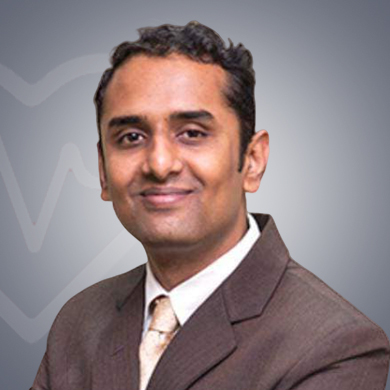
Dr. Deepak Kumar Chitralli

, India, Bangalore

Nephrologist • 19 years experience

Hindi English
View Telemedicine Doctors

Deepak Kumar Chitralli, MBBS - Shri B M Patil Medical College, Bijapur, 2005, is a Nephrologist based in Bangalore, India. The doctor has 19 years of professional experience. Deepak Kumar Chitralli areas of expertise include False.

Work Experiences

  • Assistant Professor at Department of Medicine, SDUMC
  • 2013 - 2014 Assistant Professor at Department of Nephrology, St John's Medical College
  • 2014 - 2015 Consultant Nephrologist and Transplant Physician at BGS Global Hospitals
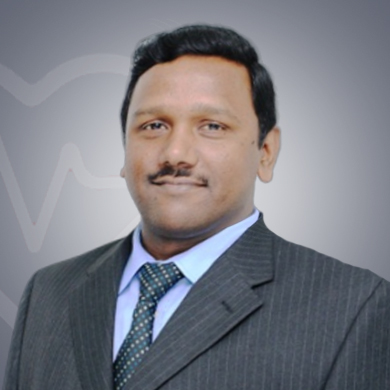
Dr. Satish Kumar A

, India, Bangalore

Hematologist • 25 years experience

Kannada English
View Telemedicine Doctors

Satish Kumar A, MBBS, is a Hematologist based in Bangalore, India. The doctor has 25 years of professional experience. Satish Kumar A areas of expertise include Acute Myelogenous Leukemia (AMI), Congenital Neutropenia, Neuromuscular Disorders, Spinal Injury, Multiple Myeloma.

Work Experiences

  • Dr. Satish Kumar A practices at Columbia Asia Hospital in Bangalore.
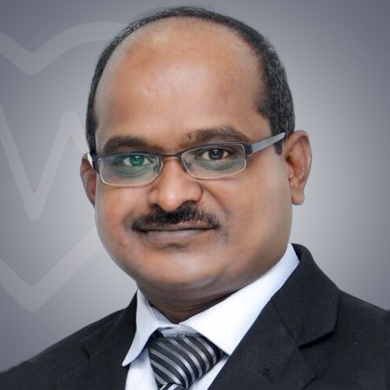
Dr. Veerabhadra Gupta

, India, Bangalore

Nephrologist • 23 years experience

Hindi English
View Telemedicine Doctors

Veerabhadra Gupta, MD, is a Kidney Transplant Surgeon based in Bangalore, India. The doctor has 23 years of professional experience. Veerabhadra Gupta areas of expertise include Shrunken Kidney, Polycystic Kidneys, Kidney Cancer, End-Stage Renal Disease, Symptomatic Hydronephrosis.

Work Experiences

  • Assistant Professor - Institute of Kidney Diseases and Research Centre & Institute of Transplantation Sciences
  • Consultant - B. J. Medical College, Civil Hospital, Ahmedabad, India
  • Head of the Department - Columbia Asia Hospital

Do you know?

Using MediGence’s Telemedicine Platform, you can book a personalized video consultation with renowned doctors around the world

Explore Telemedicine Platform
Dr. Raghavendra Nagaraja

, India, Bangalore

Hepatologist • 14 years experience

Kannada English
View Telemedicine Doctors

Raghavendra Nagaraja, MBBS, is a Liver Transplant Surgeon based in Bangalore, India. The doctor has 14 years of professional experience. Raghavendra Nagaraja areas of expertise include False.

Work Experiences

  • Associate Consultant - Manipal Hospital, Bangalore
  • Consultant - GI and HPB Surgery, Vikram Hospital, Mysore
  • Consultant - Sparsh Hospital, Bangalore
Dr. Vidyasagar Ramappa

, India, Bangalore

Hepatologist • 19 years experience

Telugu English
View Telemedicine Doctors

Vidyasagar Ramappa, MBBS, is a Liver Transplant Surgeon based in Bangalore, India. The doctor has 19 years of professional experience. Vidyasagar Ramappa areas of expertise include False.

Work Experiences

  • Gastroenterology, Consultant at Columbia Asia Referral Hospital, Malleshwaram
Frequently Asked Questions
Who are the top Transplant Surgeons in All offering online consultation?

Listed below are some of the top transplant surgeon available for online consultation:

Which are some of the best hospitals Transplant Surgeons are associated with?
Who is a Transplant Surgeon?

A transplant surgeon has special training in transplantation surgery which involves replacing a patient's organ with a donor organ. A transplant surgeon performs transplants of various organs, such as kidneys, livers, hearts, lungs, the pancreas, the intestine, and recently tracheal tissue, faces, and the penis.

A transplant surgeon first does a general surgical evaluation of the patient to assess the possible risks and also evaluate the benefits of transplant surgery. They may consult the case with other doctors from multiple disciplines nephrologists, hepatologists, diabetologists, immunologists, and scientists before making any decision about the surgery and the approach for the surgery. The surgeon not just assesses the patient before the examination but also after the transplant surgery is completed and the patient is discharged.

What are the qualifications of a Transplant Surgeon?

The training and education received by a transplant surgeon are extensive. The education starts with a five-and-a-half-year MBBS course after completion of high school. After gaining this degree, the student then obtains MD or DO degree from an accredited medical school. During this period, the student is trained in basic medical care in both clinical and classroom settings. After completing medical school, the student needs to complete a residency program in general surgery.

Residencies in general surgery typically last five years and consist of a curriculum of clinical rotations in a wide range of surgical disciplines. The physician is trained in the different caveats of surgery including complex general surgical oncology, vascular operations, critical care, trauma management, transplant surgery, hand surgery as well as pediatric surgery. Residents in general surgery also do daily interaction with patients to improve their communication skills.

After completion of the residency program, the doctor must then complete fellowship training in transplant surgery. They are trained as well as educated in all the areas of transplant surgery with a focus on pathology, physiology, immunology, and anatomy specifically related to diagnoses and treatments of the final stages of organ failure and diseases. The surgeon will get specialized training in surgical transplantation of organs, and any related procedures that might be necessary when completing a transplant. Physicians also have exposure to operations like liver and kidney transplants, which are two of the most common in the discipline.

What conditions do Transplant Surgeons treat?

Organ transplantation is used if a patient is suffering from a very critical condition or is facing an organ failure. Such patients are mostly suggested to have a transplant so that their affected organ is replaced with a healthy, functioning organ. Below are some of the common conditions which are treated by an organ transplant surgeon.

  • Congenital renal obstructive disorders
  • Congenital nephrotic syndrome
  • Alport syndrome
  • Nephropathic and juvenile cystinosis
  • Polycystic kidney disease
  • Nail-patella syndrome
  • Glomerulonephritis
  • Berger disease
  • Henoch-schönlein purpura
  • Hemolytic uremic syndrome
  • Wegener granulomatosis
  • Goodpasture syndrome
  • Leukemias
  • Severe aplastic anemia
  • Lymphomas
  • Multiple myeloma
  • Immune deficiency disorders
  • Some solid-tumor cancers
  • Severe cystic fibrosis
  • Pulmonary fibrosis
  • Bronchopulmonary dysplasia or chronic obstructive pulmonary disease (COPD)
  • Sarcoidosis, histiocytosis, and lymphangioleiomyomatosis
  • Congenital heart defect
  • Abnormal heart rhythms
  • Ventricular arrhythmias
  • Heart valve disease
  • Coronary artery disease
  • Cardiomyopathy
  • Liver cancer, hepatitis C, HIV
What diagnostic tests are required by a Transplant Surgeon?

Regardless of the type of transplant you may undergo, special blood tests and other diagnostic tests are performed to know if you are fit for a transplant. Blood tests are also needed to determine the kind of tissue and blood you have. These test results help to match a donor kidney to your body.

  • Blood Type Testing
  • Human leukocyte antigens (tissue typing)
  • MVO2 (exercise stress test)
  • Chest x-ray
  • Pulmonary function tests
  • Echocardiogram
  • Electrocardiogram
  • Heart catheterization
  • Bilateral lower extremity Doppler, carotid Doppler
  • Ultrasound of the abdomen/pelvis
  • Pulmonary Function Tests
  • Radiographic Studies (X-rays)
  • Computerized Tomography (CT Scan)
  • Ventilation Perfusion Scan (V/Q Scan, Lung Scan)
  • Electrocardiogram
  • Echocardiogram
  • Radionuclide Ventriculography
  • Colonoscopy
  • Chest X-ray, PET scan, heart tests, and a bone marrow biopsy
When should you visit a Transplant Surgeon?

There are a number of reasons why you should visit a transplant surgeon.Transplantation is not a common procedure and might be recommended in case of critical conditions or organ failure.Your primary will refer you see a transplant surgeon if you experience the below-listed symptoms:

  • Heart attack (myocardial infarction)
  • Congenital heart defects
  • Irregular heartbeats (arrhythmias)
  • High blood pressure in the lungs
  • Viral infection of the heart muscle
  • High blood pressure
  • Oximeter (O2) measurements of less than 90% at movement
  • Forced Vital Capacity (FVC) of 60% or less
  • Results of your CT scan
  • Jaundice
  • Enlarged liver
  • Cholestasis
  • Heart valve disease
  • Shortness of breath, fatigue
  • Dizziness, fainting,
  • Arterial blood gas of 60mlhg at rest
  • End-stage renal disease
  • Aplastic anemia
  • Leukemia, lymphoma, and multiple myeloma
  • Damaged bone marrow due to chemotherapy
What can you expect from your first visit with a Transplant Surgeon?

A transplant surgeon will evaluate your health condition to know if you are fit for transplant. The doctor will ask you a few questions related to your symptoms to know the severity of the health condition you are suffering from. They will order a few diagnostic tests to do a complete analysis of the consequences of transplant if any. If the transplant surgeon finds that transplant can have a harmful effect on your health, they will recommend alternative treatment options or will tell you to wait for some time so that you become fit for the transplant.

In addition to tests and physical exams, you could get a lot of information at your first appointment. You may need to bring a family member or friend along with you. The person you bring can help ask questions, listen, and take notes.

Which are the most common procedures performed by a Transplant Surgeon?

Some common procedures performed by a transplant surgeon are listed below:

  • Skin transplant
  • Vascular tissues transplant
  • Skin graft
  • Blood vessel graft
  • Bone graft
  • Bone marrow graft
  • Heart transplant
  • Lung transplant
  • Liver transplant
  • Pancreas transplant
  • Cornea transplant
  • Trachea transplant
  • Kidney transplant