Your Notifications
All done, no notifications

2 Specialists

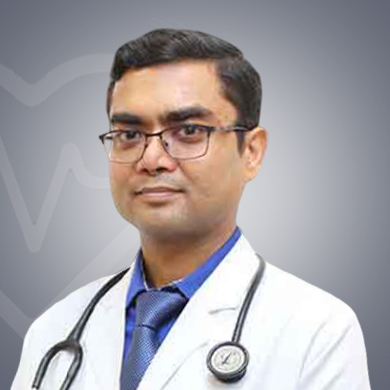
Dr. Ashu Abhishek

Oncologist

, Gurgaon, India

21 Years of experience

Speaks: Hindi , English


Dr. Ashu Abhishek is a specialized Radiation Oncologist in India. And one of the most sought after medical specialists in Gurugram, India. The doctor has over of experience and is associated with Fortis Memorial Research Institute.

Association and Memberships Dr. Ashu Abhishek is part of:

  • Delhi Medical Council
  • Haryana Medical Council
  • Medical Council of India
  • Life Member of Indian Medical Association
  • Delhi Medical Association
  • Association of Radiation Oncologists of India
  • Member of AERO (accuray)
  • Affiliate member ESTRO / ASTRO/ ESMO

Certifications :

  • Observership (Aarhus University, Denmark) and skilled training in Liver IGRT (Toronto, Canada)
  • Traning SBRT/ Cyberknife (Boston university and Sunnyvale, USA).

Qualifications :

  • MBBS Graduate (UCMS & GTB Hospital, Delhi)
  • MD (Radiation Oncology) from Maulana Azad Medical College, New Delhi

Hospital Address :

FMRI, Sector 45, Gurugram, Haryana, India
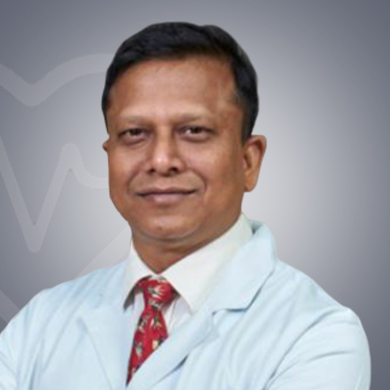
Dr. Amal Roy Chaudhoory

Oncologist

, Gurgaon, India

23 Years of experience

Speaks: Hindi , English


Dr Amal Roy Chaudhoory is one of the foremost Radiation Oncologist in Gurugram, India. The medical specialist holds over 20 years of experience and is associated with Fortis Memorial Research Institute.

Association and Memberships Dr. Amal Roy Chaudhoory is part of:

  • Indian Society of Oncology (ISO)

Qualifications :

  • MBBS
  • MD

Hospital Address :

FMRI, Sector 45, Gurugram, Haryana, India

Medical Expertise of Dr. Amal Roy Chaudhoory

  • Advanced radiation oncology technologies, such as IMRI, IGRT, gated and adaptive radiotherapy, stereotactic radiosurgery, and stereotactic body radiotherapy.
  • Dr. Chaudhoory is well qualified with MBBS and MS from Kasturba Medical College in Manipal.
  • He has worked at the Rajiv Gandhi Cancer Institute and the Max Hospital in Saket and Shalimar Bagh, Delhi.
  • He has a number of publications in national and international journals to his credit
  • He has participated in various national and international conferences and CMEs.
Frequently Asked Questions
Who are the top Radiation Oncologists offering online consultation?

Here are some of the best rated radiation oncologists available for online consultation:

Which are some of the procedures performed by Radiation Oncologists?
Which are some of the conditions treated by Radiation Oncologist?

Most common conditions performed by radiation oncologists are:

  • Functional Abnormalities and Small Tumors of the Brain
  • Gastrointestinal Cancers
  • Cervical Cancer
  • Lung Tumours
  • Eye Cancer
  • Prostate Tumours
  • Pancreas Tumours
  • Kidney Tumours
  • Head and Neck Cancers
  • Cancers near the Brain and Spinal Cord
  • Liver Tumours
  • Uterine Cancer
  • Spine Tumours
  • Lung Cancer
  • Breast Cancer
  • Head And Neck Cancer
  • Prostate Cancer
  • Thyroid Cancer
  • Brain Cancer
  • Brain Tumours
  • Vascular Malformations
  • Rectal Cancer
  • Abnormalities in the Brain
  • Tumors
Who is a Radiation Oncologist?

A radiation oncologist is a specialist doctor who uses ionizing radiation in the treatment of cancer. Radiation oncology is one of the 3 primary specialties, including medical and surgical oncology, involved in the treatment of cancer. Also, radiation could be given either alone or together with chemotherapy and/or surgery. It can also be used palliatively, to provide relief in patients with incurable cancers.

A radiation oncologist might also use radiation for the treatment of some benign diseases, such as benign tumors. In some countries, radiotherapy and chemotherapy are performed by a single oncologist called a "clinical oncologist". Radiation oncologists work closely with other doctors such as interventional radiologists, surgical oncologists, internal medicine subspecialists, medical oncologists, and medical physicists as part of the multi-disciplinary cancer team.

Radiation oncologists have four years of oncology-specific training, and oncologists who provide chemotherapy have 2 years of additional training in cancer care while doing fellowship after internal medicine residency. A radiation oncologist works very closely with surgeons, medical oncologists, and other doctors to find the most appropriate course of treatment for cancer.

What are the qualifications of a Radiation Oncologist?

Radiotherapy training focuses on the treatment of solid tumors in terms of radiation therapy, chemotherapy, and palliative care in most states. A person needs to complete five and half years of MBBS course which also includes in-service comprehensive training and a university-level exam.

After completing MBBS interested candidate who wants to join the profession as Radiation Oncologist needs to undergo a post-graduation course in oncology like MD (Radiotherapy) or MD (Oncology) followed by DM (Medical Oncology). MD Radiation oncology specialists are the most proficient oncologists providing radiotherapy and chemotherapy.

What conditions do Radiation oncologists treat?

A radiation oncologist can treat a wide variety of conditions listed below:

  • Bone cancer
  • Brain tumor
  • Breast cancer
  • Colorectal cancer
  • Esophageal cancer
  • Head and neck cancers
  • Leukemia
  • Prostate Tumours
  • Pancreas Tumours
  • Kidney Tumours
  • Gastrointestinal Cancers
  • Cervical Cancer
  • Lung Tumours
  • Liver Tumours
  • Uterine Cancer
  • Spine Tumours
  • Eye Cancer
  • Lung Cancer
  • Prostate Cancer
  • Thyroid Cancer
  • Head and Neck Cancer
  • Brain Cancer
  • Vascular Malformations
  • Rectal Cancer
What diagnostic tests are required by Radiation oncologists?

Diagnostic tests are used to detect cancer in its initial stages, and a person shows no symptoms. This process is called early detection and cancer screening tests. These can sometimes help find whether a tumor would become cancer.

Some common diagnostic tests ordered by a radiation oncologist are:

  • Computed tomography (CT) scan
  • X-rays or other radiographic tests
  • Mammography
  • Magnetic resonance imaging (MRI) scan
  • Breast MRI
  • Nuclear medicine scans (such as PET scans, bone scans, Thyroid scans, gallium scans, MUGA scans)
  • Ultrasound
When should you visit a Radiation Oncologist?

Radiation oncologists treat different kinds of cancer. If you are diagnosed with any of the following conditions, you need to see a radiation oncologist. You should see an oncologist if you have any of the below-listed symptoms:

  • Weight changes, or unintended loss or gain
  • Changes in bowel/bladder habits
  • Lump or area of thickening
  • Persistent cough, trouble breathing
  • Skin changes like yellowing, redness or darkening of the skin
  • Sores that are not healing, or changes in existing moles
  • Fatigue
  • Breast changes
What can you expect from your first visit with a Radiation Oncologist?

During your first visit, a radiation oncologist will review your all medical records and x-rays, and carry out a physical exam. The oncologist doctor will talk about their findings and will decide what treatment plan would be best for you.

You may expect to have radiation treatments five days a week for about 6-7 weeks. Each visit lasts for 10 to 30 minutes, but you may be given radiation for 1-2 minutes per session. Many small doses are given to help protect the healthy cells in the area being treated, and the two-day break from treatment allows normal cells to recover. The radiation oncologist will review your condition every week to see how your body is acting to the treatment.

Which are the most common procedures performed by a Radiation Oncologist?

A radiation oncologist can perform a number of procedures as listed below:

  • Cyberknife, X-knife, Gammaknife
  • Proton therapy
  • Radiation therapy
  • Brachytherapy
  • Internal modulated radiation therapy
  • Stereotactic radiosurgery
  • Proton therapy
  • Radioactive iodine therapy
  • 3D conformal radiation
  • Adaptive radiation therapy
  • Radionucleotide therapy