Browse verified doctors or let our care team help you find the doctor best suited to your condition, treatment goals, and budget.

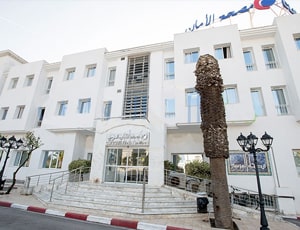
At Centre International Carthage Medical, Bladder Augmentation (Cystoplasty) is performed using specialized reconstructive urological techniques and comprehensive evaluation of bladder function. Established in 2014, this accredited hospital in Monastir, Tunisia has 120 beds and offers advanced urology, pediatric urology, urinary reconstruction, and minimally invasive surgical services.
Bladder Augmentation (Cystoplasty) may be considered when reduced bladder capacity or high bladder pressure places urinary function or, in some cases, the upper urinary tract at risk. Before surgery, specialists may perform urodynamic testing, ultrasound, kidney-function assessment, urine testing, and other investigations to understand bladder storage and emptying. During the procedure, the bladder is opened and enlarged using a carefully prepared tissue segment, commonly from the intestine.
Chirurgie Pro provides specialised Bladder Augmentation (Cystoplasty) with a focus on improving bladder capacity, maintaining low-pressure urine storage, protecting urinary tract function, and providing individualized postoperative care. Established in 2010, the accredited hospital is located in La Marsa, Tunisia and operates beds, with modern urodynamics, urinary imaging, reconstructive urology, surgical, and rehabilitation infrastructure.
Bladder Augmentation (Cystoplasty) can provide an important treatment option for appropriately selected patients with severely reduced bladder capacity or abnormal bladder pressure. Treatment planning considers the underlying cause of bladder dysfunction, bladder capacity and compliance, kidney function, ability to empty the bladder, previous urinary procedures, and overall health. A detailed urological assessment helps determine whether augmentation is appropriate and whether additional procedures or long-term bladder-management strategies may be required.

Nigerian national Mrs. Saadatu Muhammad, 48, suffered from severe abdominal pain that affected her quality of life.

Abdullah's story highlights how modern regenerative treatments can offer new hope for men dealing with erectile dysfunction. With expert medical care, advanced technology,