Browse verified doctors or let our care team help you find the doctor best suited to your condition, treatment goals, and budget.

Prince Court Medical Centre provides specialised Posterior Cruciate Ligament (PCL) Reconstruction with a focus on minimally invasive surgery, precise graft placement, patient safety, and functional recovery. Established in 2007, the MSQH hospital is located in Kuala Lumpur, Malaysia and operates 277 beds with modern orthopedic infrastructure.
PCL Reconstruction is an advanced surgical treatment for selected patients with significant posterior cruciate ligament injuries that compromise knee stability and function. During reconstruction, the damaged ligament is replaced with a tendon graft that is positioned and secured to reproduce the stabilising role of the original PCL. Comprehensive evaluation helps determine the severity of the injury and suitability for surgery. Following the procedure, a structured rehabilitation program involving progressive exercises and physiotherapy helps restore knee movement, strength, and stability.
At Acibadem International Hospital, Posterior Cruciate Ligament (PCL) Reconstruction is performed using advanced arthroscopic and ligament reconstruction techniques, with personalised treatment plans tailored to the patient's knee injury. Established in 1989, this JCI hospital in Istanbul, Turkey has 112 beds and provides comprehensive orthopedic and sports medicine care.
Posterior Cruciate Ligament (PCL) Reconstruction may be recommended for patients with severe PCL injuries causing persistent knee instability, particularly when associated injuries are present or non-surgical treatment has not provided adequate recovery. During the procedure, the damaged ligament is reconstructed using a suitable tendon graft and secured within the knee. A detailed assessment using clinical examination and imaging helps determine the extent of injury. Rehabilitation following surgery is essential for restoring movement, strength, and knee function.
Dubai, United Arab Emirates
Choosing Burjeel Hospital for Advanced Surgery Dubai for Posterior Cruciate Ligament (PCL) Reconstruction gives patients access to experienced orthopedic and sports medicine specialists, advanced arthroscopic technology, and comprehensive rehabilitation services. Established in 2023, the JCI hospital in Dubai, United Arab Emirates has 100 beds and provides specialised orthopedic care.
Posterior Cruciate Ligament (PCL) Reconstruction may be considered when a severe ligament tear results in ongoing knee instability, pain, or difficulty performing physical activities despite appropriate conservative management. The procedure involves reconstructing the damaged PCL using a tendon graft to restore the ligament's stabilising function. Doctors generally perform a physical examination and MRI or other imaging before surgery to assess the injury and identify associated damage. Physiotherapy after surgery supports gradual recovery and return to activity.
Mount Elizabeth Novena Hospital offers advanced Posterior Cruciate Ligament (PCL) Reconstruction using modern orthopedic and sports medicine techniques and internationally accepted treatment protocols. Established in 2012, the JCI hospital is located in Novena, Singapore and has 313 beds, providing comprehensive orthopedic care for local and international patients.
PCL Reconstruction is a surgical procedure used to restore stability in the knee when the posterior cruciate ligament is severely torn or damaged and does not heal adequately with conservative treatment. The procedure generally involves replacing the damaged ligament with a tendon graft obtained from the patient or a donor. Before surgery, doctors evaluate knee stability through physical examination and imaging such as MRI. Postoperative physiotherapy and rehabilitation help restore knee strength, stability, and range of motion.
At Asan Medical Centre, Posterior Cruciate Ligament (PCL) Reconstruction is performed using advanced arthroscopic and ligament reconstruction techniques, with personalised treatment plans tailored to the patient's knee injury. Established in 1989, this ISO hospital in Seoul, South Korea has 2700 beds and provides comprehensive orthopedic and sports medicine care.
Posterior Cruciate Ligament (PCL) Reconstruction may be recommended for patients with severe PCL injuries causing persistent knee instability, particularly when associated injuries are present or non-surgical treatment has not provided adequate recovery. During the procedure, the damaged ligament is reconstructed using a suitable tendon graft and secured within the knee. A detailed assessment using clinical examination and imaging helps determine the extent of injury. Rehabilitation following surgery is essential for restoring movement, strength, and knee function.
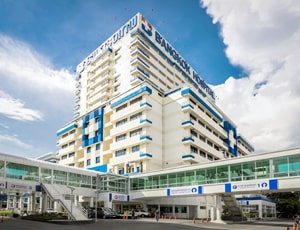
Bangkok Hospital offers advanced Posterior Cruciate Ligament (PCL) Reconstruction using modern orthopedic and sports medicine techniques and internationally accepted treatment protocols. Established in 1972, the JCI hospital is located in Bangkok, Thailand and has 580 beds, providing comprehensive orthopedic care for local and international patients.
PCL Reconstruction is a surgical procedure used to restore stability in the knee when the posterior cruciate ligament is severely torn or damaged and does not heal adequately with conservative treatment. The procedure generally involves replacing the damaged ligament with a tendon graft obtained from the patient or a donor. Before surgery, doctors evaluate knee stability through physical examination and imaging such as MRI. Postoperative physiotherapy and rehabilitation help restore knee strength, stability, and range of motion.
Mount Elizabeth Hospital offers advanced Posterior Cruciate Ligament (PCL) Reconstruction using modern orthopedic and sports medicine techniques and internationally accepted treatment protocols. Established in 1979, the JCI hospital is located in Singapore, Singapore and has 345 beds, providing comprehensive orthopedic care for local and international patients.
PCL Reconstruction is a surgical procedure used to restore stability in the knee when the posterior cruciate ligament is severely torn or damaged and does not heal adequately with conservative treatment. The procedure generally involves replacing the damaged ligament with a tendon graft obtained from the patient or a donor. Before surgery, doctors evaluate knee stability through physical examination and imaging such as MRI. Postoperative physiotherapy and rehabilitation help restore knee strength, stability, and range of motion.
Delhi, India
At BLK-Max Super Speciality Hospital, Posterior Cruciate Ligament (PCL) Reconstruction is performed using advanced arthroscopic and ligament reconstruction techniques, with personalised treatment plans tailored to the patient's knee injury. Established in 1959, this JCI, NABH hospital in Delhi, India has 650 beds and provides comprehensive orthopedic and sports medicine care.
Posterior Cruciate Ligament (PCL) Reconstruction may be recommended for patients with severe PCL injuries causing persistent knee instability, particularly when associated injuries are present or non-surgical treatment has not provided adequate recovery. During the procedure, the damaged ligament is reconstructed using a suitable tendon graft and secured within the knee. A detailed assessment using clinical examination and imaging helps determine the extent of injury. Rehabilitation following surgery is essential for restoring movement, strength, and knee function.
Choosing Parkway Pantai for Posterior Cruciate Ligament (PCL) Reconstruction gives patients access to experienced orthopedic and sports medicine specialists, advanced arthroscopic technology, and comprehensive rehabilitation services. Established in 1974, the JCI, MSQH hospital in Kuala Lumpur, Malaysia has 499 beds and provides specialised orthopedic care.
Posterior Cruciate Ligament (PCL) Reconstruction may be considered when a severe ligament tear results in ongoing knee instability, pain, or difficulty performing physical activities despite appropriate conservative management. The procedure involves reconstructing the damaged PCL using a tendon graft to restore the ligament's stabilising function. Doctors generally perform a physical examination and MRI or other imaging before surgery to assess the injury and identify associated damage. Physiotherapy after surgery supports gradual recovery and return to activity.
Vejthani Hospital provides specialised Posterior Cruciate Ligament (PCL) Reconstruction with a focus on minimally invasive surgery, precise graft placement, patient safety, and functional recovery. Established in 1994, the JCI hospital is located in Bangkok, Thailand and operates 263 beds with modern orthopedic infrastructure.
PCL Reconstruction is an advanced surgical treatment for selected patients with significant posterior cruciate ligament injuries that compromise knee stability and function. During reconstruction, the damaged ligament is replaced with a tendon graft that is positioned and secured to reproduce the stabilising role of the original PCL. Comprehensive evaluation helps determine the severity of the injury and suitability for surgery. Following the procedure, a structured rehabilitation program involving progressive exercises and physiotherapy helps restore knee movement, strength, and stability.
Choosing Memorial Ankara Hospital for Posterior Cruciate Ligament (PCL) Reconstruction gives patients access to experienced orthopedic and sports medicine specialists, advanced arthroscopic technology, and comprehensive rehabilitation services. Established in 2014, the JCI hospital in Ankara, Turkey has 230 beds and provides specialised orthopedic care.
Posterior Cruciate Ligament (PCL) Reconstruction may be considered when a severe ligament tear results in ongoing knee instability, pain, or difficulty performing physical activities despite appropriate conservative management. The procedure involves reconstructing the damaged PCL using a tendon graft to restore the ligament's stabilising function. Doctors generally perform a physical examination and MRI or other imaging before surgery to assess the injury and identify associated damage. Physiotherapy after surgery supports gradual recovery and return to activity.
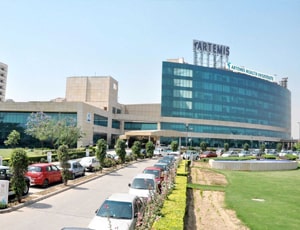
Artemis Health Institute provides specialised Posterior Cruciate Ligament (PCL) Reconstruction with a focus on minimally invasive surgery, precise graft placement, patient safety, and functional recovery. Established in 2007, the JCI, NABH hospital is located in Gurgaon, India and operates 750 beds with modern orthopedic infrastructure.
PCL Reconstruction is an advanced surgical treatment for selected patients with significant posterior cruciate ligament injuries that compromise knee stability and function. During reconstruction, the damaged ligament is replaced with a tendon graft that is positioned and secured to reproduce the stabilising role of the original PCL. Comprehensive evaluation helps determine the severity of the injury and suitability for surgery. Following the procedure, a structured rehabilitation program involving progressive exercises and physiotherapy helps restore knee movement, strength, and stability.
Choosing Gleneagles Hospital for Posterior Cruciate Ligament (PCL) Reconstruction gives patients access to experienced orthopedic and sports medicine specialists, advanced arthroscopic technology, and comprehensive rehabilitation services. Established in 1959, the JCI hospital in Singapore, Singapore has 258 beds and provides specialised orthopedic care.
Posterior Cruciate Ligament (PCL) Reconstruction may be considered when a severe ligament tear results in ongoing knee instability, pain, or difficulty performing physical activities despite appropriate conservative management. The procedure involves reconstructing the damaged PCL using a tendon graft to restore the ligament's stabilising function. Doctors generally perform a physical examination and MRI or other imaging before surgery to assess the injury and identify associated damage. Physiotherapy after surgery supports gradual recovery and return to activity.
International St. Mary's Hospital offers advanced Posterior Cruciate Ligament (PCL) Reconstruction using modern orthopedic and sports medicine techniques and internationally accepted treatment protocols. Established in 2014, the JCI hospital is located in Seoul, South Korea and has 808 beds, providing comprehensive orthopedic care for local and international patients.
PCL Reconstruction is a surgical procedure used to restore stability in the knee when the posterior cruciate ligament is severely torn or damaged and does not heal adequately with conservative treatment. The procedure generally involves replacing the damaged ligament with a tendon graft obtained from the patient or a donor. Before surgery, doctors evaluate knee stability through physical examination and imaging such as MRI. Postoperative physiotherapy and rehabilitation help restore knee strength, stability, and range of motion.
At Sunway Medical Centre, Posterior Cruciate Ligament (PCL) Reconstruction is performed using advanced arthroscopic and ligament reconstruction techniques, with personalised treatment plans tailored to the patient's knee injury. Established in 1999, this ACHS hospital in Kuala Lumpur, Malaysia has 724 beds and provides comprehensive orthopedic and sports medicine care.
Posterior Cruciate Ligament (PCL) Reconstruction may be recommended for patients with severe PCL injuries causing persistent knee instability, particularly when associated injuries are present or non-surgical treatment has not provided adequate recovery. During the procedure, the damaged ligament is reconstructed using a suitable tendon graft and secured within the knee. A detailed assessment using clinical examination and imaging helps determine the extent of injury. Rehabilitation following surgery is essential for restoring movement, strength, and knee function.