Browse verified doctors or let our care team help you find the doctor best suited to your condition, treatment goals, and budget.

Prince Court Medical Centre offers advanced ORIF (Open Reduction and Internal Fixation) using modern orthopaedic surgical techniques and internationally accepted treatment protocols. Established in 2007, the MSQH accredited hospital is located in Kuala Lumpur, Malaysia, with 277 beds, providing comprehensive fracture care for local and international patients.
ORIF is a surgical procedure used to realign and stabilise broken bones when they cannot be adequately treated with casting or other non-surgical methods. During surgery, the bone fragments are repositioned and secured using plates, screws, rods, or other fixation devices. The orthopaedic specialist evaluates imaging and fracture characteristics before selecting the appropriate fixation method.
At Parkway Pantai, patients can access ORIF supported by advanced imaging facilities and experienced orthopaedic surgeons. Established in 1974, the JCI, MSQH accredited hospital is located in Kuala Lumpur, Malaysia, and has 499 beds.
Open reduction and internal fixation may be recommended for displaced, unstable, or complex fractures. The surgeon exposes the fracture, restores the bone's alignment, and stabilises it using specialised implants such as plates, screws, nails, or rods. Pre-operative X-rays or CT scans help assess the fracture and guide surgical planning.
Sunway Medical Centre provides ORIF (Open Reduction and Internal Fixation) using contemporary fracture fixation techniques and evidence-based orthopaedic care. Founded in 1999, the ACHS accredited hospital is based in Kuala Lumpur, Malaysia, with 724 beds and services for domestic and international patients.
During ORIF, the surgeon manually repositions the fractured bone fragments and uses internal fixation devices to maintain proper alignment while the bone heals. The technique can be used for fractures involving the limbs, joints, or other bones when stable alignment cannot be achieved through conservative treatment. Imaging and clinical assessment help determine the appropriate approach.
ParkCity Medical Centre offers specialised ORIF (Open Reduction and Internal Fixation) using modern surgical technology and established orthopaedic treatment protocols. Established in 2012, the JCI accredited hospital is situated in Kuala Lumpur, Malaysia, with 300 beds, serving local and international patients.
ORIF is designed to restore bone alignment, stability, and function following complex or displaced fractures. During the procedure, the surgeon repositions the fractured bone and secures it with appropriate internal fixation hardware. The specific technique depends on the fracture's location, pattern, severity, and involvement of nearby joints or soft tissues.
At Subang Jaya Medical Centre, patients can access ORIF supported by advanced imaging facilities and experienced orthopaedic surgeons. Established in 1985, the JCI accredited hospital is located in Kuala Lumpur, Malaysia, and has 442 beds.
Open reduction and internal fixation may be recommended for displaced, unstable, or complex fractures. The surgeon exposes the fracture, restores the bone's alignment, and stabilises it using specialised implants such as plates, screws, nails, or rods. Pre-operative X-rays or CT scans help assess the fracture and guide surgical planning.
Ara Damansara Medical Centre offers advanced ORIF (Open Reduction and Internal Fixation) using modern orthopaedic surgical techniques and internationally accepted treatment protocols. Established in 2012, the JCI, MSQH accredited hospital is located in Kuala Lumpur, Malaysia, with 220 beds, providing comprehensive fracture care for local and international patients.
ORIF is a surgical procedure used to realign and stabilise broken bones when they cannot be adequately treated with casting or other non-surgical methods. During surgery, the bone fragments are repositioned and secured using plates, screws, rods, or other fixation devices. The orthopaedic specialist evaluates imaging and fracture characteristics before selecting the appropriate fixation method.
With advanced orthopaedic infrastructure, Bukit Tinggi Medical Centre offers ORIF to patients with fractures that require surgical realignment and stabilisation. Established in 2016, the MSQH accredited hospital is located in Kuala Lumpur, Malaysia, and has 171 beds.
ORIF involves making an incision to access the fracture, restoring the normal position of the bone, and securing the fragments with plates, screws, rods, or other implants. It may be used for severely displaced, open, or unstable fractures, as well as selected joint fractures. Detailed imaging and assessment of the patient's overall health are performed before surgery.
With advanced orthopaedic infrastructure, Damansara Specialist Hospital, Petaling Jaya offers ORIF to patients with fractures that require surgical realignment and stabilisation. Established in 1996, the accredited hospital is located in Petaling Jaya, Malaysia, and has 194 beds.
ORIF involves making an incision to access the fracture, restoring the normal position of the bone, and securing the fragments with plates, screws, rods, or other implants. It may be used for severely displaced, open, or unstable fractures, as well as selected joint fractures. Detailed imaging and assessment of the patient's overall health are performed before surgery.
Kuala Lumpur, Malaysia
Damansara Specialist Hospital 2 (DSH2), Kuala Lumpur offers specialised ORIF (Open Reduction and Internal Fixation) using modern surgical technology and established orthopaedic treatment protocols. Established in 2016, the accredited hospital is situated in Kuala Lumpur, Malaysia, with 132 beds, serving local and international patients.
ORIF is designed to restore bone alignment, stability, and function following complex or displaced fractures. During the procedure, the surgeon repositions the fractured bone and secures it with appropriate internal fixation hardware. The specific technique depends on the fracture's location, pattern, severity, and involvement of nearby joints or soft tissues.

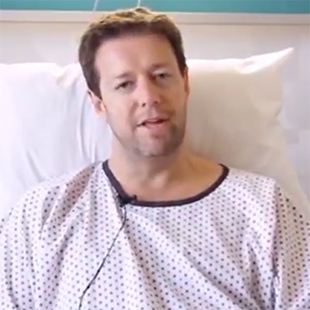
Kevin Stewart from Scotland could barely walk straight due to a Slip Disc. He faced many discomforts for the past 2 years and eventually had…

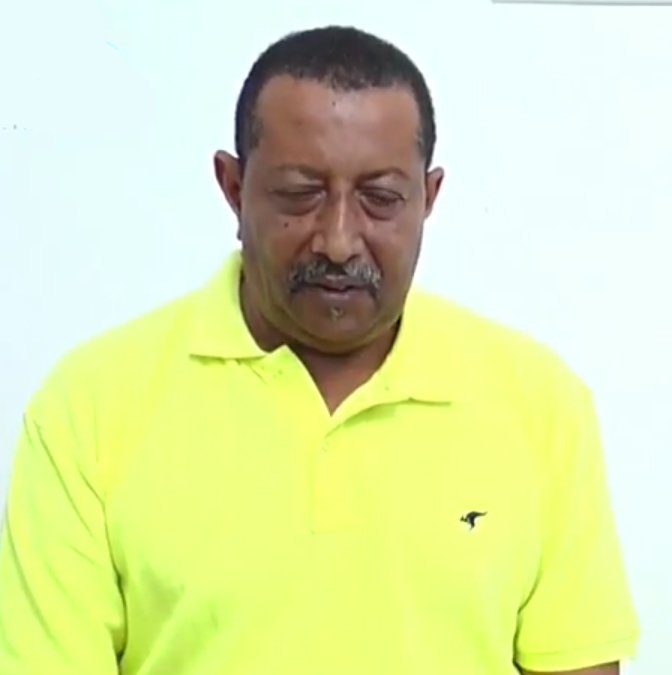
Mr. Muhammed Dumia was suffering from painful left Knee and was in considerable pain for the last 2 months. He eventually underwent Knee Replacement Surgery…
| Speciality | Orthopedics |
| Procedure | ORIF |
| Success Rate | 85-95% |
| Recovery Time | 3-6 months |
| Treatment Time | 1-3 hours |
| Chances of Recurrence | Low |
ORIF is short for Open Reduction and Internal Fixation. It is a surgical procedure used to treat fractures, particularly complex or displaced fractures that cannot be adequately treated with nonsurgical methods. During ORIF, the surgeon makes an incision to realign the fractured bones back into their proper position. This is called open reduction. The surgeon then uses internal fixation devices, such as plates, screws, or rods, to hold the bones together and promote healing. This is called internal fixation.
Medical conditions that can be treated through ORIF include fractures of long bones like the femur, tibia, and humerus, as well as fractures of the pelvis, wrist, ankle, and other bones.
The recovery process after an ORIF procedure varies depending on the location and severity of the fracture. Patients typically need to limit weight-bearing and use assistive devices to reduce pressure on the effected part of the body. Physical therapy is often recommended to help regain strength, mobility, and function. The length of the recovery period can range from a few weeks to several months, and it's important for patients to follow their surgeon's post-operative instructions to ensure a successful recovery.
According to the procedure, hospitals are ranked based on a variety of components. To rank these hospitals in Malaysia for ORIF, take the following aspects into account- Popularity of the procedure, Infrastructure, Availability of the treatment, Skilled Medical Professionals, Technology employed, Cost, Facilities Offered, and Success Rate.
MediGence works incredibly diligently to ensure that you get the best possible medical travel experience that is also accessible and reasonable. By using our unmatched care services, you can have the best and hassle-free medical experience abroad. Just a few of our unmatched caregiving services & benefits are Accommodation or hotel stays, Airport transfers, Care Packages for Recuperation, 24/7 help, Online Consultation, Dedicated Case Manager, and Customized Treatment Packages with an ensured 30% savings. In addition to these, MediGence offers a variety of other value-added services to make your healthcare journey trouble-free and memorable.
Yes. You can avail a video consultation with a specialist before you plan your medical travel. To schedule the consultation, please get in touch with our patient advisory team. They will check the doctor's availability for the consultation. Once confirmed, you will be sent a payment link to book your online consultation.
Numerous people have started traveling to Malaysia for ORIF because of the nation's state-of-the-art healthcare system and high success rate. Additional factors make Malaysia the ideal option for ORIF. These include:
The length of recovery after treatment is determined by the patient's overall health as well as the criticality of the treatment. In addition, post-treatment rehabilitation is extremely important for speeding up recovery and minimizing recovery time. It is recommended that the patient maintain regular contact with their surgeon for a few months after surgery to speed up recovery.