Browse verified doctors or let our care team help you find the doctor best suited to your condition, treatment goals, and budget.

Cure My Knee provides specialized Congenital Pseudarthrosis of the Tibia (CPT) Surgery with an emphasis on precise correction of tibial deformity, biological support for bone healing, and long-term limb preservation. Established in 2020, the JCI, NABH accredited hospital is based in Delhi, India and it has adequate bed capacity supported by modern pediatric orthopedic and rehabilitation facilities.
Congenital Pseudarthrosis of the Tibia (CPT) Surgery involves reconstructing the affected portion of the tibia to achieve stable bone union and improve lower-limb function. The procedure may include excision of the pseudarthrosis, correction of angulation, fixation of the tibia, and placement of bone graft. In selected cases, additional techniques such as vascularized fibular grafting or external fixation may be considered for difficult or recurrent pseudarthrosis. Because healing can be challenging, children require prolonged orthopedic monitoring after surgery.
Manipal Hospital, Ghaziabad provides specialized Congenital Pseudarthrosis of the Tibia (CPT) Surgery with a focus on correcting abnormal bone development, achieving union of the tibia, and restoring lower-limb alignment and function. Established in 2010, the NABH, NABL accredited hospital is located in Ghaziabad, India and operates 9500 beds with advanced pediatric orthopedic facilities.
Congenital Pseudarthrosis of the Tibia (CPT) Surgery is performed to treat a rare condition in which the tibia develops an abnormal area that fails to heal properly, often leading to bowing, deformity, or fracture. Treatment may involve removal of abnormal tissue, correction of the deformity, stabilization with internal fixation or an external fixator, and bone grafting to encourage healing. The surgical plan depends on the child's age, severity of the deformity, and condition of the affected bone.
VPS Lakeshore Hospital provides specialized Congenital Pseudarthrosis of the Tibia (CPT) Surgery with an emphasis on precise correction of tibial deformity, biological support for bone healing, and long-term limb preservation. Established in 2003, the NABH, ISO accredited hospital is based in Kochi, India and has 350 beds supported by modern pediatric orthopedic and rehabilitation facilities.
Congenital Pseudarthrosis of the Tibia (CPT) Surgery involves reconstructing the affected portion of the tibia to achieve stable bone union and improve lower-limb function. The procedure may include excision of the pseudarthrosis, correction of angulation, fixation of the tibia, and placement of bone graft. In selected cases, additional techniques such as vascularized fibular grafting or external fixation may be considered for difficult or recurrent pseudarthrosis. Because healing can be challenging, children require prolonged orthopedic monitoring after surgery.
The Medical Park offers dedicated Congenital Pseudarthrosis of the Tibia (CPT) Surgery supported by experienced pediatric orthopedic surgeons, advanced imaging, and modern limb reconstruction technology. Established in 1987, the accredited hospital is situated in Chennai, India and has 300 beds supporting specialized pediatric bone and limb care.
Congenital Pseudarthrosis of the Tibia (CPT) Surgery is aimed at correcting the abnormal tibial segment and promoting solid bone healing. Depending on the case, the surgeon may excise the pseudarthrosis, straighten the tibia, and stabilize the reconstructed bone using a rod, plate, external fixator, or other appropriate fixation method. Bone grafting may be incorporated to support union. Treatment is often individualized and may require staged procedures, particularly in complex deformities or recurrent cases.
NeuroGen Brain and Spine Institute provides specialized Congenital Pseudarthrosis of the Tibia (CPT) Surgery with an emphasis on precise correction of tibial deformity, biological support for bone healing, and long-term limb preservation. Established in 2008, the ISO accredited hospital is based in Mumbai, India and has 40 beds supported by modern pediatric orthopedic and rehabilitation facilities.
Congenital Pseudarthrosis of the Tibia (CPT) Surgery involves reconstructing the affected portion of the tibia to achieve stable bone union and improve lower-limb function. The procedure may include excision of the pseudarthrosis, correction of angulation, fixation of the tibia, and placement of bone graft. In selected cases, additional techniques such as vascularized fibular grafting or external fixation may be considered for difficult or recurrent pseudarthrosis. Because healing can be challenging, children require prolonged orthopedic monitoring after surgery.
Choosing Apollo Multispecialty Hospitals for Congenital Pseudarthrosis of the Tibia (CPT) Surgery gives patients access to specialist-led pediatric limb reconstruction, advanced fixation systems, and coordinated rehabilitation. Established in 2003, the JCI, ISO accredited hospital is located in Kolkata, India and operates 700 beds with modern orthopedic infrastructure.
Congenital Pseudarthrosis of the Tibia (CPT) Surgery may be considered when abnormal tibial development causes deformity, instability, or fracture that does not heal normally. Surgical treatment generally focuses on removing the unhealthy pseudarthrosis tissue, restoring the tibia's alignment, and creating conditions for bone union. Internal or external fixation may be used to stabilize the limb, often together with bone grafting. Regular imaging and clinical follow-up are required to monitor healing and detect recurrent deformity or refracture.
Manipal Hospital, Yeshwantpur offers dedicated Congenital Pseudarthrosis of the Tibia (CPT) Surgery supported by experienced pediatric orthopedic surgeons, advanced imaging, and modern limb reconstruction technology. Established in 2022, the JCI, NABH, NABL accredited hospital is situated in Bangalore, India and has 250 beds supporting specialized pediatric bone and limb care.
Congenital Pseudarthrosis of the Tibia (CPT) Surgery is aimed at correcting the abnormal tibial segment and promoting solid bone healing. Depending on the case, the surgeon may excise the pseudarthrosis, straighten the tibia, and stabilize the reconstructed bone using a rod, plate, external fixator, or other appropriate fixation method. Bone grafting may be incorporated to support union. Treatment is often individualized and may require staged procedures, particularly in complex deformities or recurrent cases.
BGS Gleneagles Global Hospitals provides specialized Congenital Pseudarthrosis of the Tibia (CPT) Surgery with an emphasis on precise correction of tibial deformity, biological support for bone healing, and long-term limb preservation. Established in 2007, the NABH, NABL accredited hospital is based in Bangalore, India and has 500 beds supported by modern pediatric orthopedic and rehabilitation facilities.
Congenital Pseudarthrosis of the Tibia (CPT) Surgery involves reconstructing the affected portion of the tibia to achieve stable bone union and improve lower-limb function. The procedure may include excision of the pseudarthrosis, correction of angulation, fixation of the tibia, and placement of bone graft. In selected cases, additional techniques such as vascularized fibular grafting or external fixation may be considered for difficult or recurrent pseudarthrosis. Because healing can be challenging, children require prolonged orthopedic monitoring after surgery.
Manipal Hospital, Dwarka provides specialized Congenital Pseudarthrosis of the Tibia (CPT) Surgery with an emphasis on precise correction of tibial deformity, biological support for bone healing, and long-term limb preservation. Established in 2018, the NABH accredited hospital is based in Delhi, India and has 380 beds supported by modern pediatric orthopedic and rehabilitation facilities.
Congenital Pseudarthrosis of the Tibia (CPT) Surgery involves reconstructing the affected portion of the tibia to achieve stable bone union and improve lower-limb function. The procedure may include excision of the pseudarthrosis, correction of angulation, fixation of the tibia, and placement of bone graft. In selected cases, additional techniques such as vascularized fibular grafting or external fixation may be considered for difficult or recurrent pseudarthrosis. Because healing can be challenging, children require prolonged orthopedic monitoring after surgery.
Dr. Rela Institute and Medical Centre offers dedicated Congenital Pseudarthrosis of the Tibia (CPT) Surgery supported by experienced pediatric orthopedic surgeons, advanced imaging, and modern limb reconstruction technology. Established in 2018, the NABH, NABL accredited hospital is situated in Chennai, India and has 450 beds supporting specialized pediatric bone and limb care.
Congenital Pseudarthrosis of the Tibia (CPT) Surgery is aimed at correcting the abnormal tibial segment and promoting solid bone healing. Depending on the case, the surgeon may excise the pseudarthrosis, straighten the tibia, and stabilize the reconstructed bone using a rod, plate, external fixator, or other appropriate fixation method. Bone grafting may be incorporated to support union. Treatment is often individualized and may require staged procedures, particularly in complex deformities or recurrent cases.
Yashoda Hospital, Malakpet offers dedicated Congenital Pseudarthrosis of the Tibia (CPT) Surgery supported by experienced pediatric orthopedic surgeons, advanced imaging, and modern limb reconstruction technology. Established in 1989, the NABH, NABL accredited hospital is situated in Hyderabad, India and has 404 beds supporting specialized pediatric bone and limb care.
Congenital Pseudarthrosis of the Tibia (CPT) Surgery is aimed at correcting the abnormal tibial segment and promoting solid bone healing. Depending on the case, the surgeon may excise the pseudarthrosis, straighten the tibia, and stabilize the reconstructed bone using a rod, plate, external fixator, or other appropriate fixation method. Bone grafting may be incorporated to support union. Treatment is often individualized and may require staged procedures, particularly in complex deformities or recurrent cases.
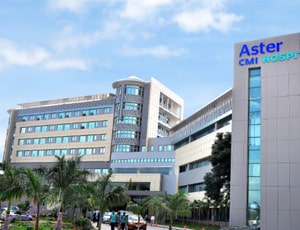
At Aster CMI Hospital, Congenital Pseudarthrosis of the Tibia (CPT) Surgery is performed using specialized limb reconstruction techniques and individualized pediatric orthopedic planning. Established in 2014, the JCI, NABH, NABL accredited hospital in Bangalore, India has 500 beds and provides comprehensive orthopedic and rehabilitation services.
Congenital Pseudarthrosis of the Tibia (CPT) Surgery may be recommended when the tibia has developed a persistent nonunion or fracture associated with congenital bone weakness. During surgery, the abnormal pseudarthrosis tissue may be removed and the tibia realigned before stabilization. Bone graft or other biological materials may be used to promote union, while fixation devices help maintain proper alignment during healing. Long-term follow-up is important because CPT can have a risk of recurrent deformity or refracture.
neuraxis Care and Research Center, India provides specialized Congenital Pseudarthrosis of the Tibia (CPT) Surgery with a focus on correcting abnormal bone development, achieving union of the tibia, and restoring lower-limb alignment and function. Established in 2018, the accredited hospital is located in Delhi, India and operates beds with advanced pediatric orthopedic facilities.
Congenital Pseudarthrosis of the Tibia (CPT) Surgery is performed to treat a rare condition in which the tibia develops an abnormal area that fails to heal properly, often leading to bowing, deformity, or fracture. Treatment may involve removal of abnormal tissue, correction of the deformity, stabilization with internal fixation or an external fixator, and bone grafting to encourage healing. The surgical plan depends on the child's age, severity of the deformity, and condition of the affected bone.
MGM Healthcare provides specialized Congenital Pseudarthrosis of the Tibia (CPT) Surgery with a focus on correcting abnormal bone development, achieving union of the tibia, and restoring lower-limb alignment and function. Established in 2016, the NABH, NABL, JCI accredited hospital is located in Chennai, India and operates 400 beds with advanced pediatric orthopedic facilities.
Congenital Pseudarthrosis of the Tibia (CPT) Surgery is performed to treat a rare condition in which the tibia develops an abnormal area that fails to heal properly, often leading to bowing, deformity, or fracture. Treatment may involve removal of abnormal tissue, correction of the deformity, stabilization with internal fixation or an external fixator, and bone grafting to encourage healing. The surgical plan depends on the child's age, severity of the deformity, and condition of the affected bone.
Apollo Hospitals Bannerghatta provides specialized Congenital Pseudarthrosis of the Tibia (CPT) Surgery with an emphasis on precise correction of tibial deformity, biological support for bone healing, and long-term limb preservation. Established in 2007, the JCI accredited hospital is based in Bangalore, India and has 350 beds supported by modern pediatric orthopedic and rehabilitation facilities.
Congenital Pseudarthrosis of the Tibia (CPT) Surgery involves reconstructing the affected portion of the tibia to achieve stable bone union and improve lower-limb function. The procedure may include excision of the pseudarthrosis, correction of angulation, fixation of the tibia, and placement of bone graft. In selected cases, additional techniques such as vascularized fibular grafting or external fixation may be considered for difficult or recurrent pseudarthrosis. Because healing can be challenging, children require prolonged orthopedic monitoring after surgery.

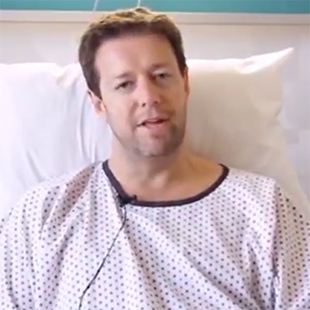
Kevin Stewart from Scotland could barely walk straight due to a Slip Disc. He faced many discomforts for the past 2 years and eventually had…

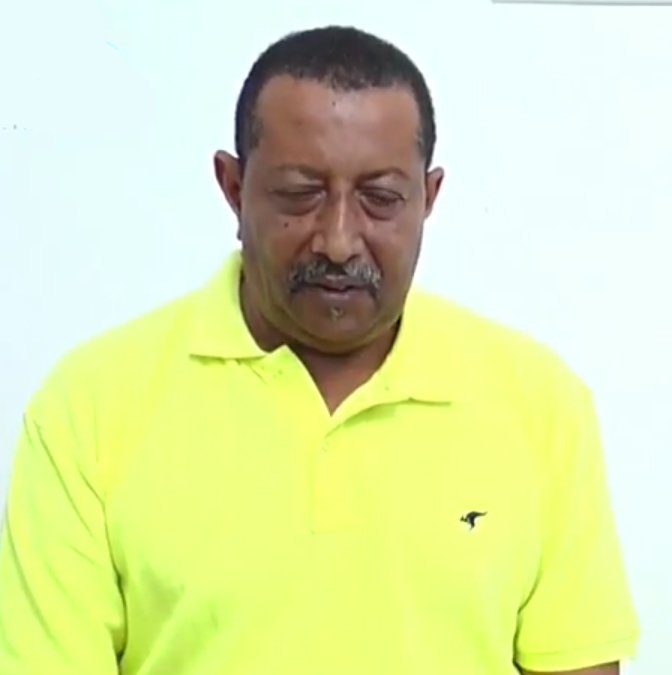
Mr. Muhammed Dumia was suffering from painful left Knee and was in considerable pain for the last 2 months. He eventually underwent Knee Replacement Surgery…