Explore trusted hospitals and care options, or get personalised support to find a suitable option based on your treatment needs, preferences, and budget.

Kuala Lumpur, Malaysia
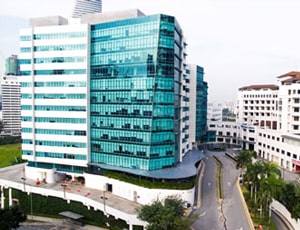
Prince Court Medical Centre is a trusted healthcare provider for Carpal Tunnel Release, offering specialized treatment for nerve compression disorders supported by experienced hand surgeons and modern surgical facilities. Established in 2007, the MSQH accredited hospital is situated in Kuala Lumpur, Malaysia and has 277 beds.
Carpal Tunnel Release is performed to reduce compression of the median nerve at the wrist. It can help address symptoms such as pins and needles, burning sensations, hand pain, and difficulty gripping objects associated with carpal tunnel syndrome. The procedure involves cutting the transverse carpal ligament while protecting the underlying nerve and surrounding structures. Depending on the surgical method, it may be completed through a small incision or with an endoscopic camera. Patients are generally encouraged to begin gentle finger and wrist movements as advised during recovery.
Parkway Pantai offers advanced Carpal Tunnel Release using modern hand surgery techniques and individualized treatment protocols. Established in 1974, the JCI, MSQH accredited hospital is located in Kuala Lumpur, Malaysia and has 499 beds, providing comprehensive orthopedic and hand-care services for local and international patients.
Carpal Tunnel Release is a surgical procedure used to relieve pressure on the median nerve as it passes through the carpal tunnel in the wrist. It may be recommended when carpal tunnel syndrome causes persistent numbness, tingling, pain, weakness, or reduced hand function despite appropriate non-surgical treatment. During surgery, the transverse carpal ligament is divided to enlarge the tunnel and reduce pressure on the nerve. The procedure may be performed using an open or endoscopic approach depending on the patient's condition and surgeon's assessment.
Sunway Medical Centre is a trusted healthcare provider for Carpal Tunnel Release, offering specialized treatment for nerve compression disorders supported by experienced hand surgeons and modern surgical facilities. Established in 1999, the ACHS accredited hospital is situated in Kuala Lumpur, Malaysia and has 724 beds.
Carpal Tunnel Release is performed to reduce compression of the median nerve at the wrist. It can help address symptoms such as pins and needles, burning sensations, hand pain, and difficulty gripping objects associated with carpal tunnel syndrome. The procedure involves cutting the transverse carpal ligament while protecting the underlying nerve and surrounding structures. Depending on the surgical method, it may be completed through a small incision or with an endoscopic camera. Patients are generally encouraged to begin gentle finger and wrist movements as advised during recovery.
ParkCity Medical Centre provides specialized Carpal Tunnel Release with a focus on relieving nerve compression, preserving hand function, and supporting effective recovery. Established in 2012, the JCI accredited hospital is located in Kuala Lumpur, Malaysia and operates 300 beds with modern orthopedic and hand-surgery infrastructure.
Carpal Tunnel Release treats compression of the median nerve caused by reduced space within the carpal tunnel. The condition can affect sensation in the thumb, index, middle, and part of the ring finger and may cause weakness in the hand. During release surgery, the surgeon divides the transverse carpal ligament to reduce pressure around the nerve. The choice between open and endoscopic release depends on the patient's anatomy, symptoms, previous procedures, and surgeon preference. Follow-up care may include scar management, gradual strengthening, and guidance on returning to work or other
Kuala Lumpur, Malaysia
Choosing Subang Jaya Medical Centre for Carpal Tunnel Release gives patients access to experienced hand specialists, modern surgical equipment, and comprehensive post-operative care. Established in 1985, the JCI accredited hospital in Kuala Lumpur, Malaysia has 442 beds and provides specialized treatment for wrist and hand conditions.
Carpal Tunnel Release may be advised when conservative measures such as wrist splinting, activity modification, injections, or other treatments do not provide sufficient improvement. The operation aims to increase the available space within the carpal tunnel by releasing the ligament that compresses the median nerve. It can be performed under local or regional anesthesia, depending on the surgical setting and patient requirements. Following the procedure, swelling and tenderness may occur temporarily, while nerve symptoms may improve gradually over weeks or months.
Kuala Lumpur, Malaysia
Ara Damansara Medical Centre provides specialized Carpal Tunnel Release with a focus on relieving nerve compression, preserving hand function, and supporting effective recovery. Established in 2012, the JCI, MSQH accredited hospital is located in Kuala Lumpur, Malaysia and operates 220 beds with modern orthopedic and hand-surgery infrastructure.
Carpal Tunnel Release treats compression of the median nerve caused by reduced space within the carpal tunnel. The condition can affect sensation in the thumb, index, middle, and part of the ring finger and may cause weakness in the hand. During release surgery, the surgeon divides the transverse carpal ligament to reduce pressure around the nerve. The choice between open and endoscopic release depends on the patient's anatomy, symptoms, previous procedures, and surgeon preference. Follow-up care may include scar management, gradual strengthening, and guidance on returning to work or other
Kuala Lumpur, Malaysia
Bukit Tinggi Medical Centre offers advanced Carpal Tunnel Release using modern hand surgery techniques and individualized treatment protocols. Established in 2016, the MSQH accredited hospital is located in Kuala Lumpur, Malaysia and has 171 beds, providing comprehensive orthopedic and hand-care services for local and international patients.
Carpal Tunnel Release is a surgical procedure used to relieve pressure on the median nerve as it passes through the carpal tunnel in the wrist. It may be recommended when carpal tunnel syndrome causes persistent numbness, tingling, pain, weakness, or reduced hand function despite appropriate non-surgical treatment. During surgery, the transverse carpal ligament is divided to enlarge the tunnel and reduce pressure on the nerve. The procedure may be performed using an open or endoscopic approach depending on the patient's condition and surgeon's assessment.

Kevin Stewart from Scotland could barely walk straight due to a Slip Disc. He faced many discomforts for the past 2 years and eventually had…

Mr. Muhammed Dumia was suffering from painful left Knee and was in considerable pain for the last 2 months. He eventually underwent Knee Replacement Surgery…
| Speciality | Orthopedics |
| Procedure | Carpal Tunnel Release |
| Success Rate | 85-95% |
| Recovery Time | 2-6 weeks |
| Treatment Time | 30 minutes to 1 hour |
| Chances of Recurrence | Low |
A Carpal Tunnel Release is a surgical procedure that is performed to treat Carpal Tunnel Syndrome. It is a condition that causes compression of the median nerve as it passes through the carpal tunnel in the wrist. The surgery involves carefully cutting through the transverse carpal ligament to relieve pressure on the median nerve. This helps alleviate the symptoms associated with Carpal Tunnel Syndrome.
Carpal Tunnel Release, as the name suggests, is typically used for treating Carpal Tunnel Syndrome. This condition occurs when the median nerve is compressed due to inflammation and swelling within the carpal tunnel. This procedure helps in relieving symptoms such as hand numbness, tingling, pain, and weakness, often affecting the thumb, index finger, middle finger, and half of the ring finger.
After Carpal Tunnel Release surgery, the recovery may take a few weeks. The hand and wrist will be bandaged, and the patient may experience some pain and discomfort, which can be managed with prescribed pain medications. A splint or brace may be provided to keep the wrist in a neutral position, allowing for proper healing and reducing stress on the surgical site. Patients are advised to rest the hand and elevate it above the heart level to reduce swelling. Physical therapy exercises and hand exercises may be recommended to improve the strength, flexibility, and function of the hand. Depending on the individual's healing progress, most patients can resume light activities within a few weeks. Full recovery typically takes several weeks to a few months.
A number of determining factors can be used to rank hospitals for your suitable procedure. While categorizing hospitals for Carpal Tunnel Release in Malaysia, some of the important factors are Popularity for the Procedure, Infrastructure, Accessibility of the treatment, Qualified Medical Personnel, Technology Used, Price, Amenities provided, and Success Rate.
Your health is a top priority for MediGence, and we make sure you get it effortlessly. While travelling for treatment abroad, MediGence makes sure that your healthcare journey should be smooth and hassle-free. Some of our notable services include Hotel stays or accommodation, Video consultation, dedicated case manager, round-the-clock help, airport transfers, and customized prebundled treatment packages with discount of up to a 30%. Other than these, there are multiple value-added services you can avail with MediGence
Yes. You can avail a video consultation with a specialist before you plan your medical travel. You can place your request to our patient advisors for scheduling your online consultation with the specialist. They will check the doctor's availability for the consultation. Once confirmed, you will be sent a payment link to book your online consultation.
Malaysia is becoming a prime destination for many people across the world for Carpal Tunnel Release because of high success rates and modern infrastructure. Other factors that make Malaysia the preferred option for Carpal Tunnel Release include:
Recovery times for various procedures vary depending on the patient's health and the complexity of the treatment. Other factors, such as the patient's continued participation in rehabilitation sessions and postoperative care appointments, have a significant impact on the length of their recovery. Following surgery, patients must return for follow-up appointments to ensure proper healing and hasten the healing process.