237 Hospitals
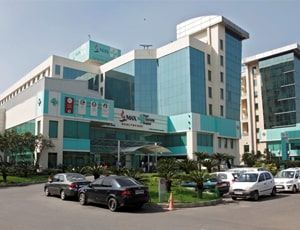
Max Super Speciality Hospital, Saket
Delhi, India
Number of Beds: 539
Year of Establishment: 2006
Average
Average
Awards
- DL Shah National Award on Economics of Quality (QCI)
- First Global Green OT Accreditation
- NABH, NABL, and JCI Accreditation
- Accreditation


Please Enquire

Average
Awards
- Best Hospital in Turkey by the World Health Tourism Congress (2016)
- Best Hospital in Turkey for Orthopaedics by the European Business Assembly (2016)
- Best Hospital in Turkey for Neurology by the European Business Assembly (2016)
- Best Hospital in Turkey for Cardiology by the European Business Assembly (2016)
- Best Hospital in Turkey for Medical Tourism by the European Business Assembly (2016)
- Accreditation

Average
Awards
- Best Private Hospital in Sivas Province - Turkey Healthcare Awards 2020
- Best Private Hospital in Turkey - Stevie Awards 2020
- Best Cardiology and Cardiovascular Surgery Hospital in Turkey - Turkish Ministry of Health 2019
- Best Oncology Hospital in Turkey - Global Health and Pharma Awards 2018
- Best Healthcare Investment in Turkey - CFI.co Awards 2018
- Accreditation

Acibadem Altunizade Hospital
Istanbul, Turkey
Number of Beds: 350
Year of Establishment: 2017
Average
Average
Awards
- Joint Commission International Accreditation - Acibadem Hastanesi Altunizade was accredited by Joint Commission International (JCI) for meeting the international healthcare quality standards.
- Best Hospital in Turkey - In 2019, Acibadem Healthcare Group, to which Acibadem Hastanesi Altunizade belongs, was named the Best Hospital in Turkey by Medimagazin, a Turkish healthcare publication.
- Best Hospital for Medical Tourism - Acibadem Hastanesi Altunizade has been recognized as the Best Hospital for Medical Tourism in Turkey by the Turkish Ministry of Health and the Turkish Healthcare Travel Council.
- European Foundation for Quality Management (EFQM) Excellence Award - Acibadem Healthcare Group, to which Acibadem Hastanesi Altunizade belongs, was awarded the EFQM Excellence Award in 2018, recognizing its commitment to quality and excellence in healthcare.
- International Hospital of the Year - In 2016, Acibadem Healthcare Group, to which Acibadem Hastanesi Altunizade belongs, was named the International Hospital of the Year by Medical Travel Quality Alliance (MTQUA).
- Accreditation


Burjeel Hospital, Abu Dhabi
Abu Dhabi, United Arab Emirates
Number of Beds: 209
Year of Establishment: 2012
Average
Average
Awards
- International Hospital of the Year - Burjeel Hospital in Abu Dhabi was named the International Hospital of the Year by International Medical Travel Journal (IMTJ) in 2016.
- Best International Hospital - Burjeel Hospital was recognized as the Best International Hospital at the 2016 Medical Tourism Awards held in Dubai, UAE.
- Accreditation Canada International (ACI) Accreditation - Burjeel Hospital received accreditation from Accreditation Canada International (ACI) for meeting the international healthcare quality standards.
- Sheikh Khalifa Excellence Award - Burjeel Hospital was awarded the Sheikh Khalifa Excellence Award (SKEA) in the healthcare category in 2019, recognizing its commitment to excellence and quality in healthcare.
- Dubai Quality Appreciation Award - In 2016, Burjeel Hospital was awarded the Dubai Quality Appreciation Award by the Dubai Municipality for its commitment to quality and excellence in healthcare services.
- Accreditation
Please Enquire

Clear Medi Hospital, Karkardooma
Delhi, India
Number of Beds: 100
Year of Establishment: 2017
Average
Average
Awards
- Best Hospital for Cosmetic Surgery in Delhi, 2019 - Clear Medi Hospital was named the Best Hospital for Cosmetic Surgery in Delhi at the Global Health and Pharma Healthcare and Pharmaceutical Awards in 2019.
- Best Multispeciality Hospital in Delhi, 2018 - Clear Medi Hospital was awarded the Best Multispeciality Hospital in Delhi at the Worldwide Achievers Healthcare Excellence Awards in 2018.
- Best Hospital for Cosmetic Surgery in North India, 2017 - Clear Medi Hospital was named the Best Hospital for Cosmetic Surgery in North India at the National Healthcare Achievers Awards in 2017.
- Best Cosmetic Surgery Hospital in Delhi, 2016 - Clear Medi Hospital was awarded the Best Cosmetic Surgery Hospital in Delhi at the National Healthcare Achievers Awards in 2016.
- Best Hospital for Cosmetic Surgery in India, 2015 - Clear Medi Hospital was named the Best Hospital for Cosmetic Surgery in India at the National Healthcare Achievers Awards in 2015.
- Accreditation

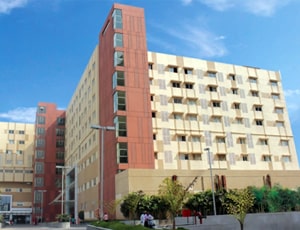
American Oncology Institute
Hyderabad, India
Number of Beds: 150
Year of Establishment: 2013
Average
Average
Awards
- Best Oncology Service Provider in Telangana, 2019 - The American Oncology Institute in Hyderabad was awarded the Best Oncology Service Provider in Telangana by the Worldwide Achievers Healthcare Excellence Awards in 2019.
- Best Oncology Hospital in Telangana, 2018 - The American Oncology Institute in Hyderabad was named the Best Oncology Hospital in Telangana by the Global Health and Wellness Summit & Awards in 2018.
- Best Oncology Hospital in India, 2017 - The American Oncology Institute in Hyderabad was recognized as the Best Oncology Hospital in India by the International Health Care Awards in 2017.
- NABH Accreditation, 2016 - The American Oncology Institute in Hyderabad received the National Accreditation Board for Hospitals & Healthcare Providers (NABH) accreditation in 2016, which is awarded to hospitals that meet rigorous quality and patient safety standards.
- Best Oncology Hospital in South India, 2015 - The American Oncology Institute in Hyderabad was named the Best Oncology Hospital in South India by the Times of India Health Care Achievers Awards in 2015.
- Accreditation

Average
Awards
- Best Hospital in the Middle East, 2019 - Sheba Medical Center was named the Best Hospital in the Middle East in 2019 by Newsweek magazine.
- Best Hospital in Israel, 2018 - Sheba Medical Center was named the Best Hospital in Israel in 2018 by the Ministry of Health.
- Best Hospital for Medical Tourism in Israel, 2020 - Sheba Medical Center was named the Best Hospital for Medical Tourism in Israel in 2020 by the International Medical Travel Journal.
- Best Hospital in Israel, 2021 - Sheba Medical Center was named the Best Hospital in Israel in 2021 by Newsweek magazine.
- Best Hospital for Medical Tourism in Israel, 2021 - Sheba Medical Center was named the Best Hospital for Medical Tourism in Israel in 2021 by the International Medical Travel Journal.
- Accreditation

Average
Awards
- Best Hospital for Medical Tourism in Israel, 2021 - Herzliya Medical Center was named the Best Hospital for Medical Tourism in Israel in 2021 by the International Medical Travel Journal.
- Best Private Hospital in Israel, 2018 - Herzliya Medical Center was named the Best Private Hospital in Israel in 2018 by the Ministry of Health.
- Best Hospital in Medical Tourism Industry, 2019 - Herzliya Medical Center was awarded the Best Hospital in Medical Tourism Industry in 2019 by the IMTJ Medical Travel Awards.
- Best Hospital in Israel, 2018 - Herzliya Medical Center was named the Best Hospital in Israel in 2018 by the Ministry of Health.
- Best Hospital for Medical Tourism in Israel, 2019 - Herzliya Medical Center was named the Best Hospital for Medical Tourism in Israel in 2019 by the IMTJ Medical Travel Awards.
Please Enquire

Baskent University Istanbul Hospital
Istanbul, Turkey
Number of Beds: 144
Year of Establishment: 1993
Average
Average
Awards
- Joint Commission International (JCI) Accreditation: The hospital received JCI accreditation in recognition of its high standards in patient safety, quality of care, and medical excellence.
- Best Hospital in Turkey: Baskent University Istanbul Hospital was recognized as the best hospital in Turkey in 2017 by the Turkish Ministry of Health, based on various factors including patient satisfaction, medical quality, and staff competence.
- Best University Hospital in Turkey: In 2018, Baskent University Istanbul Hospital was awarded the Best University Hospital by the Acıbadem University in recognition of its commitment to medical research, education, and patient care.
- Health Tourism Excellence Award: The hospital received the Health Tourism Excellence Award in 2020 from the Association of Turkish Travel Agencies (TURSAB) for its exceptional medical services and contribution to health tourism in Turkey.
- Best Cardiology Hospital in Turkey: Baskent University Istanbul Hospital was ranked the best cardiology hospital in Turkey by the World Health Organization (WHO) in 2021, in recognition of its excellent cardiovascular care and treatment outcomes.
- Accreditation

Average
Awards
- Hospital of the Year, 2019 - Circle Reading Hospital was named Hospital of the Year in 2019 by LaingBuisson Awards.
- Best Private Hospital in the UK, 2017 - Circle Reading Hospital was named the Best Private Hospital in the UK in 2017 by LaingBuisson Awards.
- Best Private Hospital Group in the UK, 2018 - Circle Health, the parent company of Circle Reading Hospital, was named the Best Private Hospital Group in the UK in 2018 by LaingBuisson Awards.
- Patient Experience Award, 2019 - Circle Reading Hospital was named the winner of the Patient Experience Award in 2019 by HealthInvestor Awards.
- Best Acute Care Hospital, 2017 - Circle Reading Hospital was named the Best Acute Care Hospital in 2017 by Building Better Healthcare Awards.

Average
Awards
- Top Hospitals in the UK, 2020 - St. Edmunds Hospital was named one of the top hospitals in the UK by The Times in 2020.
- Best Hospital for Patient Safety, 2019 - St. Edmunds Hospital was awarded the Best Hospital for Patient Safety by the National Health Service (NHS) in 2019.
- Outstanding Hospital Accreditation, 2021 - St. Edmunds Hospital was awarded the Outstanding Hospital Accreditation by the Care Quality Commission (CQC) in 2021.
- Best Hospital for Orthopedic Surgery, 2018 - St. Edmunds Hospital was named the Best Hospital for Orthopedic Surgery by the Private Healthcare Awards in 2018.
- Excellence in Customer Service, 2022 - St. Edmunds Hospital was awarded the Excellence in Customer Service by the UK Customer Experience Awards in 2022.

The Madras Institute of Orthopedics and Traumatology
Chennai, India
Number of Beds: 1000
Year of Establishment: 1999
Average
Average
Awards
- Best Orthopedic Hospital, 2020 - The Madras Institute of Orthopaedics and Traumatology was named the Best Orthopedic Hospital in 2020 by the Global Health & Pharma Medical Travel Awards.
- Excellence in Orthopedic Surgery, 2021 - The Madras Institute of Orthopaedics and Traumatology was recognized for Excellence in Orthopedic Surgery in 2021 by the Worldwide Achievers Healthcare Excellence Awards.
- Best Orthopedic Hospital in South India 2019 - The Madras Institute of Orthopedics and Traumatology was named the Best Orthopedic Hospital in South India in 2019 by the India Healthcare Awards.
- Best Orthopedic Hospital in South India 2018 - The Madras Institute of Orthopedics and Traumatology was named the Best Orthopedic Hospital in South India in 2018 by the India Healthcare Awards.
- Best Orthopedic Hospital in South India 2015 - The Madras Institute of Orthopedics and Traumatology was named the Best Orthopedic Hospital in South India in 2015 by the India Healthcare Awards.
- Accreditation
Please Enquire

Meliva Kardiolita Hospital, Vilnius
Vilnius, Lithuania
Number of Beds: 36
Year of Establishment: 1998
Average
Average
Awards
- Best Hospital in Lithuania - Global Health and Pharma (GHP) Private Healthcare Awards, 2021: Kardiolita Hospital received this award for its exceptional healthcare services, advanced medical technologies, and patient-oriented care.
- Best Medical Tourism Hospital in Lithuania - European Business Assembly (EBA), 2021: This award was given to Kardiolita Hospital for providing high-quality healthcare services to international patients in a welcoming environment.
- Joint Commission International (JCI) Accreditation - 2021: This prestigious accreditation is awarded to healthcare facilities that meet high international standards in patient care and safety.
- Best Hospital for Neurosurgery in Lithuania - International Healthcare Awards, 2020: Kardiolita Hospital was recognized for its advanced technology and expert neurosurgery team
- Accreditation

Average
Awards
- Asian Hospital Management Awards (AHMA): Vinmec Healthcare System has received honours such as “Most Improved Local Hospital” and “Patient Safety,” recognising its outstanding performance in hospital operations and patient care.
- Vietnam Hospital Quality Awards: Recognised at the national level for excellence in healthcare service quality and continuous improvement.
- Accreditation
Ask your healthcare adviser for the best multiple options and choose the one that meets your expectations
Request for an Expert Opinion
