Browse verified doctors or let our care team help you find the doctor best suited to your condition, treatment goals, and budget.

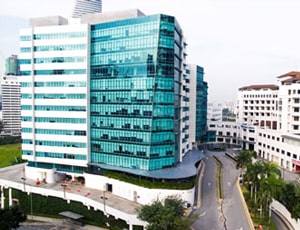
Parkway Pantai offers advanced Colorectal Cancer (Colon Cancer) Treatment using modern surgical, medical oncology, and radiation therapy approaches. Established in 1974, the JCI, MSQH accredited hospital is located in Kuala Lumpur, Malaysia and has 499 beds, providing comprehensive cancer care for local and international patients.
Colorectal Cancer Treatment is selected according to the cancer's location, stage, spread, molecular characteristics, and the patient's overall health. For localized colon cancer, surgery to remove the affected section of the colon and nearby lymph nodes is often a key treatment. Depending on the stage and recurrence risk, chemotherapy may be recommended before or after surgery. Patients with advanced disease may also receive targeted therapy or immunotherapy when appropriate based on tumor biomarkers.
ParkCity Medical Centre provides specialized Cornea Transplant with a focus on accurate staging, complete tumor management, and individualized cancer care. Established in 2012, the JCI accredited hospital is located in Kuala Lumpur, Malaysia and operates 300 beds with modern colorectal oncology infrastructure.
Colorectal Cancer Treatment aims to remove or control cancer while preserving bowel function whenever possible. The treatment plan may include minimally invasive or open surgery, chemotherapy, targeted therapy, immunotherapy, or other approaches depending on the diagnosis. Before treatment, specialists may use colonoscopy and biopsy to confirm the cancer, followed by imaging and laboratory or molecular tests to determine its stage and characteristics. Surgical planning considers the tumor's location and extent, while advanced disease may require a combination of systemic and local treatments. Nutritional guidance, bowel-function management, and follow-up care can support recovery after treatment.
Ara Damansara Medical Centre provides specialized Cornea Transplant with a focus on accurate staging, complete tumor management, and individualized cancer care. Established in 2012, the JCI, MSQH accredited hospital is located in Kuala Lumpur, Malaysia and operates 220 beds with modern colorectal oncology infrastructure.
Colorectal Cancer Treatment aims to remove or control cancer while preserving bowel function whenever possible. The treatment plan may include minimally invasive or open surgery, chemotherapy, targeted therapy, immunotherapy, or other approaches depending on the diagnosis. Before treatment, specialists may use colonoscopy and biopsy to confirm the cancer, followed by imaging and laboratory or molecular tests to determine its stage and characteristics. Surgical planning considers the tumor's location and extent, while advanced disease may require a combination of systemic and local treatments. Nutritional guidance, bowel-function management, and follow-up care can support recovery after treatment.

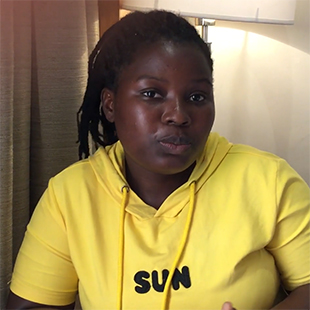
Hailing from a small village in Ghana, Gladys Appiah, a woman of 34 years of age, has been suffering from eye problems for a long…

Master Aaron Larhubarbe, an 8-year-old boy from Mauritius, has been experiencing blurred sight due to problems with his eyes.
| Speciality | Ophthalmology |
| Procedure | Cornea Transplant |
| Success Rate | 85-95% |
| Recovery Time | A few weeks to a few months |
| Treatment Time | 1-2 hours |
| Chances of Recurrence | Depends on the underlying condition |
A cornea transplant, also known as keratoplasty, is a surgical procedure in which a damaged or diseased cornea is replaced with healthy corneal tissue from a donor. The surgery aims to restore vision and improve the function of the cornea.
Medical conditions that can be treated through a cornea transplant include Corneal Scarring (caused by infections, injuries, or certain diseases, leading to vision impairment), Keratoconus (a condition where the cornea becomes thin and cone-shaped, resulting in distorted vision), and Fuchs' Endothelial Dystrophy (a disorder affecting the corneal endothelium, causing fluid build-up and cloudy vision).
The recovery process after a cornea transplant typically takes several weeks to several months. During this time, patients may need to use eye drops to prevent infection and promote healing. Frequent follow-up visits with the eye surgeon are essential to monitor progress and ensure a successful recovery. Visual improvement may take some time, and patients are advised to avoid strenuous activities during the initial healing phase. With proper care and adherence to the post-operative instructions, patients can expect improved vision and restored corneal function after the transplant.
A number of determining factors can be used to rank hospitals for your suitable procedure. The following criteria can be used to classify hospitals for Cornea Transplants in Malaysia- Infrastructure, Procedure Availability, Popularity of procedure, Technology, Cost-effectiveness, Skilled medical personnel, Patient-care facilities, and Rate of Success
MediGence offers a blend of high-quality medical care, convenience, and cost-savings for patients across the world. We provide a set of unmatched services to assist you in your medical journey to different countries in the world. Dedicated Case Manager, Video Consultation, Hotel stays or Accommodation, Recovery packages, round-the-clock assistance, and personalized packages with discounts of up to 30% are some of the best caregiving services offered. Along with all these, MediGence offers many other unmatched services for giving you the most stress-free healthcare experience.
Yes, you can avail a video consultation with the specialist before travelling to Malaysia. When having a conversation with one of our patient advisors, you can ask them to book your video consultation with the specialist. They will finalize your appointment after confirming the doctor's availability and sending the payment link.
Due to the country's cutting-edge healthcare system and high success rate, many people have begun traveling to Malaysia for Cornea Transplant. Other factors that contribute to Malaysia being the best choice for Cornea Transplant include:
Depending on the patient's health and the complexity of the treatment, different procedures have different recovery times. Other than that, rehabilitation post-treatment also plays a crucial role in reducing the healing time and aiding in proper recovery. Patient must keep in touch with their surgeon for a few months after surgery in order to speed up recovery.