Browse verified doctors or let our care team help you find the doctor best suited to your condition, treatment goals, and budget.

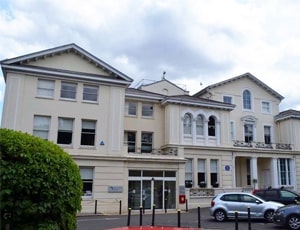
Choosing Rutherford Cancer Centre South Wales for Intensity-modulated radiotherapy (IMRT) gives patients access to experienced radiation oncologists, advanced treatment-planning systems, image-guided technologies, and structured supportive care. Established in 1956, the accredited hospital in Wales, United Kingdom has 89 beds and provides specialised radiation oncology services.
Intensity-modulated Radiotherapy (IMRT) is delivered over a planned course of treatment, with the number and frequency of sessions depending on the type, location, and stage of cancer, as well as the prescribed radiation dose. The patient is positioned using appropriate immobilisation or positioning aids to maintain accuracy during treatment. Each session is generally brief, although preparation and positioning may take additional time. Patients are monitored throughout treatment for side effects such as fatigue, skin changes, or effects specific to the treated area.
At The London Clinic, Intensity-modulated radiotherapy (IMRT) is performed using specialised radiation planning and delivery systems with comprehensive pre-treatment assessment. Established in , this JCI accredited hospital in London, United Kingdom has 234 beds and offers advanced radiation oncology services.
Intensity-modulated Radiotherapy (IMRT) may be considered when precise radiation delivery is important because a tumour is located close to sensitive organs or structures. Before treatment, the radiation oncology team uses imaging, such as CT, MRI, or PET scans, as appropriate, to define the treatment area and create a personalised radiation plan. During each session, the patient is carefully positioned while the treatment system delivers radiation from multiple directions at controlled beam intensity.
At Parkside Private Hospital, Intensity-modulated radiotherapy (IMRT) is performed using specialised radiation planning and delivery systems with comprehensive pre-treatment assessment. Established in 1983, this accredited hospital in London, United Kingdom has 82 beds and offers advanced radiation oncology services.
Intensity-modulated Radiotherapy (IMRT) may be considered when precise radiation delivery is important because a tumour is located close to sensitive organs or structures. Before treatment, the radiation oncology team uses imaging, such as CT, MRI, or PET scans, as appropriate, to define the treatment area and create a personalised radiation plan. During each session, the patient is carefully positioned while the treatment system delivers radiation from multiple directions at controlled beam intensity.
Choosing Cancer Centre London for Intensity-modulated radiotherapy (IMRT) gives patients access to experienced radiation oncologists, advanced treatment-planning systems, image-guided technologies, and structured supportive care. Established in 2005, the accredited hospital in London, United Kingdom it has adequate bed capacity and provides specialised radiation oncology services.
Intensity-modulated Radiotherapy (IMRT) is delivered over a planned course of treatment, with the number and frequency of sessions depending on the type, location, and stage of cancer, as well as the prescribed radiation dose. The patient is positioned using appropriate immobilisation or positioning aids to maintain accuracy during treatment. Each session is generally brief, although preparation and positioning may take additional time. Patients are monitored throughout treatment for side effects such as fatigue, skin changes, or effects specific to the treated area.

Monica from Ghana suffered from AV malformation. She decided to look for options for medical treatment when she started experiencing episodes of unconsciousness. After a…

Nasrin (Sister of the patient ) explains the journey of how MediGence helped for the treatment of Silim Shabani for Ovarian Cancer Treatment in Turkey.
| Speciality | Oncology |
| Procedure | Intensity-modulated radiotherapy (IMRT) |
| Success Rate | Varies as per stage, grade and type of cancer |
| Recovery Time | 4 to 6 days |
| Treatment Time | five to eight weeks |
| Chances of Recurrence | Varies as per stage, grade, type and location of cancer |
Hospitals for any type of procedure can be ranked on several deciding aspects. Some of the major factors for ranking the hospitals for Intensity-modulated radiotherapy (IMRT) in United Kingdom are Infrastructure, Procedure Availability, Popularity of procedure, Technology, Cost-effectiveness, Skilled medical personnel, Patient-care facilities, and Rate of Success
With MediGence, you can avail quality healthcare along with convenience and cost-savings. We wish you to experience a trouble-free and quality healthcare journey, so we make sure that you receive our value-added benefits throughout your journey. Some of the top caregiving services available include Hotel stays, Dedicated Case Coordinator, Recovery packages, Online Consultation, round-the-clock assistance, and customized packages with discounts of up to a 30%. Furthermore, we have alot more other benefits for you to recieve top-notch medical care.
Definitely Yes. You can get an expert medical opinion via online consultation before you decide to travel. When having a conversation with one of our patient advisors, you can ask them to book your video consultation with the specialist. They will verify the doctor's consultation availability. Once confirmed, a payment link will be provided to you so you may schedule your online consultation.
Many people around the world consider Intensity-modulated radiotherapy (IMRT) in United Kingdom to be trustworthy due to the high success rate and excellent hospital infrastructure. Additional factors make United Kingdom the ideal option for Intensity-modulated radiotherapy (IMRT). These include:
The time of recovery after treatment depends on the patient’s overall health as well as the criticality of the treatment. The length of the patient's recovery is also greatly influenced by other variables, such as their continued participation in rehabilitation sessions and postoperative care appointments. Patients must go back for follow-up appointments after surgery in order to ensure proper healing and speed up the healing process.