Explore trusted hospitals and care options, or get personalised support to find a suitable option based on your treatment needs, preferences, and budget.

Apollo Hospital provides specialized Thoracic Interbody Fusion with an emphasis on restoring thoracic spinal stability, maintaining alignment, and supporting long-term fusion. Established in 1983, the JCI accredited hospital is based in Chennai, India and has 550 beds supported by modern neurosurgical and orthopedic facilities.
Thoracic Interbody Fusion involves removing a damaged thoracic intervertebral disc and placing a structural implant between the adjacent vertebrae. Bone graft material is added to facilitate the formation of a solid fusion between the vertebral bodies. Depending on the patient's diagnosis, the procedure may also include decompression of the spinal cord or nerves and posterior fixation with screws and rods. Preoperative MRI, CT, and X-rays help assess spinal alignment, disc damage, bone quality, and the structures requiring treatment.
Apollo Multispecialty Hospitals provides specialized Thoracic Interbody Fusion with a focus on stabilizing the thoracic spine, correcting spinal instability, and relieving symptoms caused by structural abnormalities. Established in 2003, the JCI, ISO accredited hospital is located in Kolkata, India and operates 700 beds with advanced neurosurgical and orthopedic spine facilities.
Thoracic Interbody Fusion is a spinal fusion procedure in which a damaged intervertebral disc is removed and replaced with an implant or cage designed to restore disc height and alignment. Bone graft material is placed around or within the fusion area to encourage the adjacent vertebrae to grow together. The procedure may be considered for conditions such as thoracic disc degeneration, instability, deformity, or selected cases of spinal trauma. Additional screws and rods may be used to provide stability while fusion develops.
At BGS Gleneagles Global Hospitals, Thoracic Interbody Fusion is performed using advanced spinal reconstruction techniques and individualized surgical planning. Established in 2007, the NABH, NABL accredited hospital in Bangalore, India has 500 beds and provides comprehensive spine surgery and rehabilitation services.
Thoracic Interbody Fusion may be recommended when disease or injury affecting the thoracic discs causes persistent pain, instability, deformity, or neurological compression. During surgery, the surgeon accesses the affected disc space, removes the damaged disc material, and places an interbody cage or suitable implant between the vertebrae. Bone graft or a graft substitute is used to promote fusion. Depending on the patient's condition, posterior instrumentation with screws and rods may also be performed to maintain alignment during healing.
Bangalore, India
Manipal Hospital, Yeshwantpur offers dedicated Thoracic Interbody Fusion supported by experienced spine surgeons, advanced imaging, and modern spinal fixation systems. Established in 2022, the JCI, NABH, NABL accredited hospital is situated in Bangalore, India and has 250 beds supporting specialized thoracic spine care.
Thoracic Interbody Fusion is designed to stabilize one or more segments of the middle or upper back by promoting bone fusion between adjacent vertebrae. The affected disc is removed and replaced with an interbody device containing or supporting bone graft material. This helps restore disc-space height and provide structural support. The procedure may be combined with decompression when the spinal cord or nerve structures are compressed. Surgical approach and fixation methods depend on the location and underlying spinal condition.
At nM Virani Wockhardt, Thoracic Interbody Fusion is performed using advanced spinal reconstruction techniques and individualized surgical planning. Established in 1998, the NABH accredited hospital in Rajkot, India has 280 beds and provides comprehensive spine surgery and rehabilitation services.
Thoracic Interbody Fusion may be recommended when disease or injury affecting the thoracic discs causes persistent pain, instability, deformity, or neurological compression. During surgery, the surgeon accesses the affected disc space, removes the damaged disc material, and places an interbody cage or suitable implant between the vertebrae. Bone graft or a graft substitute is used to promote fusion. Depending on the patient's condition, posterior instrumentation with screws and rods may also be performed to maintain alignment during healing.
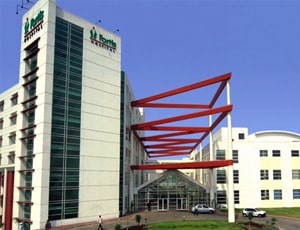
Fortis Hospital provides specialized Thoracic Interbody Fusion with an emphasis on restoring thoracic spinal stability, maintaining alignment, and supporting long-term fusion. Established in 2004, the NABH, NABL accredited hospital is based in Noida, India and has 400 beds supported by modern neurosurgical and orthopedic facilities.
Thoracic Interbody Fusion involves removing a damaged thoracic intervertebral disc and placing a structural implant between the adjacent vertebrae. Bone graft material is added to facilitate the formation of a solid fusion between the vertebral bodies. Depending on the patient's diagnosis, the procedure may also include decompression of the spinal cord or nerves and posterior fixation with screws and rods. Preoperative MRI, CT, and X-rays help assess spinal alignment, disc damage, bone quality, and the structures requiring treatment.
Memorial Atasehir Hospital offers dedicated Thoracic Interbody Fusion supported by experienced spine surgeons, advanced imaging, and modern spinal fixation systems. Established in 2010, the JCI accredited hospital is situated in Istanbul, Turkey and has 144 beds supporting specialized thoracic spine care.
Thoracic Interbody Fusion is designed to stabilize one or more segments of the middle or upper back by promoting bone fusion between adjacent vertebrae. The affected disc is removed and replaced with an interbody device containing or supporting bone graft material. This helps restore disc-space height and provide structural support. The procedure may be combined with decompression when the spinal cord or nerve structures are compressed. Surgical approach and fixation methods depend on the location and underlying spinal condition.
Medicana Bahcelievler Hospital offers dedicated Thoracic Interbody Fusion supported by experienced spine surgeons, advanced imaging, and modern spinal fixation systems. Established in 2004, the JCI accredited hospital is situated in Istanbul, Turkey and has 89 beds supporting specialized thoracic spine care.
Thoracic Interbody Fusion is designed to stabilize one or more segments of the middle or upper back by promoting bone fusion between adjacent vertebrae. The affected disc is removed and replaced with an interbody device containing or supporting bone graft material. This helps restore disc-space height and provide structural support. The procedure may be combined with decompression when the spinal cord or nerve structures are compressed. Surgical approach and fixation methods depend on the location and underlying spinal condition.
Medicana Konya Hospital provides specialized Thoracic Interbody Fusion with an emphasis on restoring thoracic spinal stability, maintaining alignment, and supporting long-term fusion. Established in 2012, the JCI accredited hospital is based in Konya, Turkey and has 223 beds supported by modern neurosurgical and orthopedic facilities.
Thoracic Interbody Fusion involves removing a damaged thoracic intervertebral disc and placing a structural implant between the adjacent vertebrae. Bone graft material is added to facilitate the formation of a solid fusion between the vertebral bodies. Depending on the patient's diagnosis, the procedure may also include decompression of the spinal cord or nerves and posterior fixation with screws and rods. Preoperative MRI, CT, and X-rays help assess spinal alignment, disc damage, bone quality, and the structures requiring treatment.
Dubai, United Arab Emirates
NMC Royal Hospital, DIP offers dedicated Thoracic Interbody Fusion supported by experienced spine surgeons, advanced imaging, and modern spinal fixation systems. Established in 2020, the JCI accredited hospital is situated in Dubai, United Arab Emirates and has 73 beds supporting specialized thoracic spine care.
Thoracic Interbody Fusion is designed to stabilize one or more segments of the middle or upper back by promoting bone fusion between adjacent vertebrae. The affected disc is removed and replaced with an interbody device containing or supporting bone graft material. This helps restore disc-space height and provide structural support. The procedure may be combined with decompression when the spinal cord or nerve structures are compressed. Surgical approach and fixation methods depend on the location and underlying spinal condition.
Abu Dhabi, United Arab Emirates
Choosing NMC Specialty Hospital - Al Ain for Thoracic Interbody Fusion gives patients access to specialist-led thoracic spinal reconstruction, advanced surgical navigation, and coordinated postoperative rehabilitation. Established in 2007, the JCI accredited hospital is located in Abu Dhabi, United Arab Emirates and operates 100 beds with modern spine surgery infrastructure.
Thoracic Interbody Fusion may be considered for selected patients with thoracic spinal instability, degenerative disc disease, deformity, trauma, or other conditions requiring structural stabilization. During the procedure, the surgeon removes the affected disc and prepares the space between the vertebrae for an interbody implant. Bone graft is then used to encourage the vertebrae to fuse over time. Screws, rods, or plates may provide additional stability while the fusion heals, depending on the surgical approach.
Medicana Bursa Hospital provides specialized Thoracic Interbody Fusion with a focus on stabilizing the thoracic spine, correcting spinal instability, and relieving symptoms caused by structural abnormalities. Established in 2017, the JCI, ISO accredited hospital is located in Bursa, Turkey and operates 300 beds with advanced neurosurgical and orthopedic spine facilities.
Thoracic Interbody Fusion is a spinal fusion procedure in which a damaged intervertebral disc is removed and replaced with an implant or cage designed to restore disc height and alignment. Bone graft material is placed around or within the fusion area to encourage the adjacent vertebrae to grow together. The procedure may be considered for conditions such as thoracic disc degeneration, instability, deformity, or selected cases of spinal trauma. Additional screws and rods may be used to provide stability while fusion develops.
Choosing Shanti Mukand Hospital for Thoracic Interbody Fusion gives patients access to specialist-led thoracic spinal reconstruction, advanced surgical navigation, and coordinated postoperative rehabilitation. Established in 1995, the NABH, NABL accredited hospital is located in Delhi, India and operates 200 beds with modern spine surgery infrastructure.
Thoracic Interbody Fusion may be considered for selected patients with thoracic spinal instability, degenerative disc disease, deformity, trauma, or other conditions requiring structural stabilization. During the procedure, the surgeon removes the affected disc and prepares the space between the vertebrae for an interbody implant. Bone graft is then used to encourage the vertebrae to fuse over time. Screws, rods, or plates may provide additional stability while the fusion heals, depending on the surgical approach.
At NeuroGen Brain and Spine Institute, Thoracic Interbody Fusion is performed using advanced spinal reconstruction techniques and individualized surgical planning. Established in 2008, the ISO accredited hospital in Mumbai, India has 40 beds and provides comprehensive spine surgery and rehabilitation services.
Thoracic Interbody Fusion may be recommended when disease or injury affecting the thoracic discs causes persistent pain, instability, deformity, or neurological compression. During surgery, the surgeon accesses the affected disc space, removes the damaged disc material, and places an interbody cage or suitable implant between the vertebrae. Bone graft or a graft substitute is used to promote fusion. Depending on the patient's condition, posterior instrumentation with screws and rods may also be performed to maintain alignment during healing.
At Kaplan Medical Centre, Thoracic Interbody Fusion is performed using advanced spinal reconstruction techniques and individualized surgical planning. Established in 1953, the JCI accredited hospital in Rehovot, Israel has 1100 beds and provides comprehensive spine surgery and rehabilitation services.
Thoracic Interbody Fusion may be recommended when disease or injury affecting the thoracic discs causes persistent pain, instability, deformity, or neurological compression. During surgery, the surgeon accesses the affected disc space, removes the damaged disc material, and places an interbody cage or suitable implant between the vertebrae. Bone graft or a graft substitute is used to promote fusion. Depending on the patient's condition, posterior instrumentation with screws and rods may also be performed to maintain alignment during healing.