Browse verified doctors or let our care team help you find the doctor best suited to your condition, treatment goals, and budget.

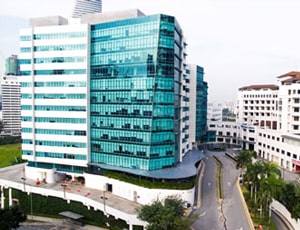
At Prince Court Medical Centre, patients can access Microdiscectomy supported by advanced spinal imaging and experienced neurosurgical or orthopaedic spine specialists. Established in 2007, the MSQH accredited hospital is located in Kuala Lumpur, Malaysia, and has 277 beds.
Microdiscectomy involves removing the small portion of disc material compressing a spinal nerve through a small incision. The procedure is commonly considered for persistent symptoms caused by a herniated disc when conservative treatments have not provided adequate relief. Detailed imaging and neurological assessment help guide surgical planning.
At Parkway Pantai, patients can access Microdiscectomy supported by advanced spinal imaging and experienced neurosurgical or orthopaedic spine specialists. Established in 1974, the JCI, MSQH accredited hospital is located in Kuala Lumpur, Malaysia, and has 499 beds.
Microdiscectomy involves removing the small portion of disc material compressing a spinal nerve through a small incision. The procedure is commonly considered for persistent symptoms caused by a herniated disc when conservative treatments have not provided adequate relief. Detailed imaging and neurological assessment help guide surgical planning.
Sunway Medical Centre offers advanced Microdiscectomy using modern minimally invasive spinal techniques and internationally accepted treatment protocols. Established in 1999, the ACHS accredited hospital is located in Kuala Lumpur, Malaysia, with 724 beds, providing comprehensive spine care for local and international patients.
Microdiscectomy is a minimally invasive procedure used to remove part of a herniated spinal disc that is pressing on a nerve, commonly in the lower back. It may help relieve leg pain, numbness, or weakness caused by nerve compression. Before surgery, the spine specialist reviews symptoms and imaging studies to determine the affected disc and appropriate treatment approach.
ParkCity Medical Centre provides Microdiscectomy using contemporary minimally invasive spine surgery techniques and evidence-based care. Founded in 2012, the JCI accredited hospital is based in Kuala Lumpur, Malaysia, with 300 beds and services for domestic and international patients.
During the procedure, the surgeon uses specialised instruments and magnification to access the affected area and remove the disc fragment pressing on the nerve. Microdiscectomy may help relieve sciatica, radiating leg pain, numbness, or weakness associated with nerve compression. The specialist evaluates MRI findings, neurological symptoms, and overall health before surgery.
Subang Jaya Medical Centre offers specialised Microdiscectomy using modern surgical technology and established minimally invasive spine treatment protocols. Established in 1985, the JCI accredited hospital is situated in Kuala Lumpur, Malaysia, with 442 beds, serving local and international patients.
Microdiscectomy is primarily used to treat symptoms caused by herniated discs and nerve compression. Through a small surgical opening, the specialist removes the portion of the disc pressing against the nerve to relieve pressure. Before treatment, the spine team reviews imaging, neurological findings, medical history, and symptom severity to determine whether microdiscectomy is appropriate.
Ara Damansara Medical Centre offers advanced Microdiscectomy using modern minimally invasive spinal techniques and internationally accepted treatment protocols. Established in 2012, the JCI, MSQH accredited hospital is located in Kuala Lumpur, Malaysia, with 220 beds, providing comprehensive spine care for local and international patients.
Microdiscectomy is a minimally invasive procedure used to remove part of a herniated spinal disc that is pressing on a nerve, commonly in the lower back. It may help relieve leg pain, numbness, or weakness caused by nerve compression. Before surgery, the spine specialist reviews symptoms and imaging studies to determine the affected disc and appropriate treatment approach.
With advanced spine-care infrastructure, Bukit Tinggi Medical Centre offers Microdiscectomy for eligible patients with nerve compression caused by a herniated spinal disc. Established in 2016, the MSQH accredited hospital is located in Kuala Lumpur, Malaysia, and has 171 beds.
The procedure uses a small incision and specialised magnification to remove the disc fragment affecting the nerve, while preserving as much of the surrounding spinal structure as possible. It may be performed in the lumbar or, less commonly, cervical spine. A comprehensive neurological and imaging assessment is completed before treatment.

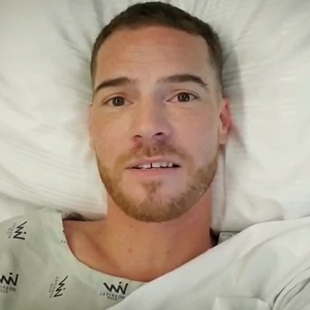
A USA resident, Mr James Evans 40Y/M, suffered from serious back pain. His doctor assisted him to get the spinal surgery done for his back…

Robinson Trey hails from Georgia, Atlanta, in the US. He experienced extreme pain in the lower back, which extended down his right leg due to…
| Speciality | Neurology |
| Procedure | Microdiscectomy |
| Success Rate | 90-95% |
| Recovery Time | 2-4 weeks |
| Treatment Time | 1-2 hours |
| Chances of Recurrence | 5-10% |
A Microdiscectomy is a surgical procedure used to treat a herniated or slipped disc in the spine. During the procedure, a small incision is made in the back, and a special microscope is used to remove the portion of the herniated disc that is pressing on the nerves or spinal cord, thereby relieving pain and reducing inflammation.
Microdiscectomy is primarily used to treat conditions such as herniated lumbar discs, sciatica, and radiculopathy, where the herniated disc is causing nerve compression and related symptoms.
Patients typically stay in the hospital for a short period of time following a Microdiscectomy for observation. The recovery process entails gradually returning to normal activities under the supervision of a physical therapist. For a few weeks following surgery, patients may experience soreness and restrictions on bending, lifting, and twisting. Most patients can resume light activities after a few weeks and full activities after a few months. However, the specific recovery timeline varies depending on individual factors and the extent of the surgery.
A number of determining factors can be used to rank hospitals for your suitable procedure. To rank these hospitals in Malaysia for Microdiscectomy, take the following aspects into account- Availability of the Procedure, Popularity of the procedure & hospital, Infrastructure, Pricing structure, Experienced Medical Professionals, Technology Employed, Facilities Available for the Patients & Visitors, Success Rate of the Hospital.
MediGence offers you a blend of convenience, quality healthcare, and cost-savings. We keep your health a priority and make sure you receive a hassle-free medical journey with some unmatched benefits & services. Some of the top caregiving services available include Hotel stays, Dedicated Case Coordinator, Recovery packages, Online Consultation, round-the-clock assistance, and customized packages with discounts of up to a 30%. Furthermore, we have alot more other benefits for you to recieve top-notch medical care.
Yes. You can avail a video consultation with a specialist before you plan your medical travel. When our patient advisors connect with you regarding your query, you can place your request of having an online consultation with the specialist. Our expert will cross-check with the specialist about his/her availability and send you a payment link for the confirmation of the appointment.
Microdiscectomy in Malaysia is trusted by many people across the world due to the high rate of successful outcomes and world-class hospital infrastructure. There are many additional factors making Malaysia the preferred choice for Microdiscectomy including:
Depending on the patient's health and the complexity of the treatment, different procedures have different recovery times. Other factors like continuously taking rehab sessions and enrolling in postoperative care sessions also greatly impact the recovery time of the patient. Patients must go back for follow-up appointments after surgery in order to ensure proper healing and speed up the healing process.