18 Hospitals

Laminectomy, also referred to as decompression surgery, is a surgical procedure to remove the lamina to relieve the pressure on the spinal cord caused due to the overgrowth of bone in the spinal canal. The highly experienced spine surgeons at PSRI evaluate the condition of patients to decide the nature of the treatment. They might use more-conservative treatments like medication, injections, or physical therapy. Surgeons prefer laminectomy if the symptoms are severe or worsening gradually. The patient recovers after the laminectomy surgery but in some cases, the complete relief from spinal stenosis might take time. Pushpawati Singhania Research Institute offers laminectomy at an affordable cost.
Best doctors for Laminectomy at Pushpawati Singhania Research Institute:
- Dr. Sumit Goyal, Head of Department, 15 Years of Experience
- Dr. Dhruv Chaturvedi, Senior Consultant, 23 Years of Experience
- Dr. Shamsher Dwivedee, Chairman, PSRI Institute of Neurosciences, 30 Years of Experience
- Accreditation


Please Enquire

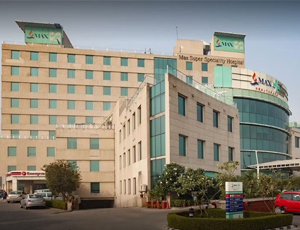
For lost-cost laminectomy in India, Max Smart Super Speciality Hospital is the ideal destination. Laminectomy is performed to remove the lamina. This surgery is also called decompression surgery and is done to enlarge the spinal canal, thus relieving the pressure on the nerves or the spinal cords. Max Smart Super Speciality Hospital has come up with surgical techniques that limit the amount of bone extracted from the vertebra and minimize damage to ligaments and back muscles during surgical exposure. The highly skilled spine surgeons focus on removing less bone and preserving the back muscles and ligaments during the surgical treatment to help keep the spine stable and also reduce back pain. This approach also decreases the risk of complications related to surgery.
- Accreditation

- NABH Accreditation - Recognized for meeting the highest standards of medical care and patient safety in India
- FICCI Healthcare Excellence Award 2015 - Awarded for the hospital's excellence in healthcare services and patient satisfaction
- Best Patient Safety Initiative Award 2018 - Recognized for the hospital's commitment to patient safety and quality of care
- Best Multispecialty Hospital in Delhi NCR - Global Healthcare Excellence Awards 2013 - Awarded for the hospital's exceptional performance in providing high-quality medical care and services
- Best Hospital Brand in North India - The Economic Times Best Hospital Brand Survey 2016 - Recognized for the hospital's exceptional performance in providing high-quality medical care and services
- Accreditation
Ask your healthcare adviser for the best multiple options and choose the one that meets your expectations
Request for an Expert Opinion

Outcomes of Laminectomy
| Speciality | Neurology |
| Procedure | Laminectomy |
| Success Rate | 85-95% |
| Recovery Time | 3-4 weeks |
| Treatment Time | 1-3 hours |
| Chances of Recurrence | 10-20% |
What is a Laminectomy and how does it work?
A laminectomy, also known as decompression surgery, is a surgical procedure performed to relieve pressure on the spinal cord or nerves by removing a portion of the vertebral bone called the lamina. The lamina is located at the back of the vertebra and forms the "roof" of the spinal canal. By removing a section of the lamina, the surgeon creates more space in the spinal canal, reducing compression and alleviating symptoms.
What medical conditions can be treated through Laminectomy?
Laminectomy is commonly used to treat spinal conditions that cause compression of the spinal cord or nerves. This includes spinal stenosis, herniated discs, bone spurs, and tumors in the spinal canal. These conditions can result in symptoms such as pain, numbness, weakness, and difficulty with motor function.
What is the recovery process after a Laminectomy?
The recovery process after a laminectomy varies depending on the extent of the procedure and individual factors. In general, patients can expect to stay in the hospital for a few days following the surgery. Pain medications and physical therapy may be prescribed. Full recovery may take several weeks to months, during which time the surgical site heals and the body adjusts to the changes in the spinal canal. Regular follow-up visits are scheduled to monitor the healing process.
Frequently Asked Questions
According to the procedure, hospitals are ranked based on a variety of components. The following criteria can be used to classify hospitals for Laminectomys in Delhi- Infrastructure, Procedure Availability, Procedure Popularity, Technology, Affordability, Experienced Specialists, Quality of Resources, and Success Rate
MediGence integrates convenience, high-quality medical care, and cost savings. We make sure that your healthcare journey should be easy and hassle-free while receiving treatment overseas. Just a few of our unmatched caregiving services & benefits are Accommodation or hotel stays, Airport transfers, Care Packages for Recuperation, 24/7 help, Online Consultation, Dedicated Case Manager, and Customized Treatment Packages with an ensured 30% savings. To help you receive top-notch medical treatment, we also provide a number of additional benefits.
Yes. MediGence gives you the privilege of scheduling an online consultation with a specialist in Delhi. To schedule the consultation, please get in touch with our patient advisory team. They will verify the doctor's consultation availability. Once confirmed, a payment link will be provided to you so you may schedule your online consultation.
You must be aware that Delhi has some of the leading doctors in the world. To name a few, here are some of the renowned doctors in Delhi-
People from around the world are increasingly choosing to travel to Delhi for Laminectomy due to its modern infrastructure and high success rate. In addition, there are other parameters that make Delhi the ideal option for Laminectomy. They include:
- Affordable treatment plans
- Experienced and certified specialists
- Accredited hospitals
- Latest medical technologies
- Transparency and data privacy
The recovery time for a procedure varies based on the condition of the patient and the complexity of the surgery. The length of the patient's recovery is also greatly influenced by other variables, such as their continued participation in rehabilitation sessions and postoperative care appointments. Patients must go back for follow-up appointments after surgery in order to ensure proper healing and speed up the healing process.