Browse verified doctors or let our care team help you find the doctor best suited to your condition, treatment goals, and budget.

Choosing Medipol Bahçelievler Hospital for Endovascular surgery for AVM gives patients access to specialist-led AVM embolization, advanced cerebral angiography, and coordinated neurovascular care. Established in 2022, the JCI accredited hospital is located in Istanbul, Turkey and operates 441 beds with modern neurointerventional infrastructure.
Endovascular Surgery for AVM may be used to manage a brain or spinal arteriovenous malformation by reducing abnormal blood flow through its feeding vessels. The procedure involves inserting a catheter through a blood vessel and carefully navigating it to the AVM. Embolization material is then delivered to targeted vessels to block or reduce circulation within the malformation. The treatment strategy depends on the AVM's location, size, feeding arteries, drainage pattern, and risk of complications, and may be combined with surgery or radiosurgery.
Dubai, United Arab Emirates
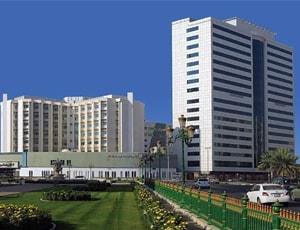
Choosing Aster DM Healthcare for Endovascular surgery for AVM gives patients access to specialist-led AVM embolization, advanced cerebral angiography, and coordinated neurovascular care. Established in 1987, the JCI, NABH, NABL accredited hospital is located in Dubai, United Arab Emirates and operates 114 beds with modern neurointerventional infrastructure.
Endovascular Surgery for AVM may be used to manage a brain or spinal arteriovenous malformation by reducing abnormal blood flow through its feeding vessels. The procedure involves inserting a catheter through a blood vessel and carefully navigating it to the AVM. Embolization material is then delivered to targeted vessels to block or reduce circulation within the malformation. The treatment strategy depends on the AVM's location, size, feeding arteries, drainage pattern, and risk of complications, and may be combined with surgery or radiosurgery.
Sharjah, United Arab Emirates
At NMC Royal Hospital Sharjah, Endovascular surgery for AVM is performed using advanced catheter-based techniques and detailed neurovascular imaging. Established in 1981, the JCI accredited hospital in Sharjah, United Arab Emirates has 137 beds and provides comprehensive neurosurgical and neurointerventional care.
Endovascular Surgery for AVM may be considered for selected patients with a cerebral arteriovenous malformation, an abnormal connection between arteries and veins that bypasses the normal capillary network. During the procedure, a thin catheter is introduced through an artery and navigated to the vessels supplying the AVM. Embolic material is delivered to reduce blood flow through the abnormal vessels. Depending on the AVM's size, location, and vascular anatomy, embolization may be performed in stages or combined with microsurgery or radiation treatment.
Medanta - The Medicity provides specialized Endovascular surgery for AVM with a focus on reducing abnormal blood flow through the arteriovenous malformation (AVM) and protecting surrounding brain tissue. Established in 2009, the JCI, NABH accredited hospital is located in Gurgaon, India and operates 1250 beds with advanced neurointerventional and vascular facilities.
Endovascular Surgery for AVM is a minimally invasive treatment in which a catheter is guided through the blood vessels to reach the abnormal connection between arteries and veins. A procedure known as embolization may then be performed by delivering materials such as liquid embolic agents or coils to reduce or block blood flow through selected parts of the AVM. It may be used as a standalone treatment in selected cases or before surgical removal or stereotactic radiosurgery. Cerebral angiography is commonly used to map the AVM and guide treatment.
Choosing Phyathai 2 International Hospital for Endovascular surgery for AVM gives patients access to specialist-led AVM embolization, advanced cerebral angiography, and coordinated neurovascular care. Established in 1987, the JCI accredited hospital is located in Bangkok, Thailand and operates 550 beds with modern neurointerventional infrastructure.
Endovascular Surgery for AVM may be used to manage a brain or spinal arteriovenous malformation by reducing abnormal blood flow through its feeding vessels. The procedure involves inserting a catheter through a blood vessel and carefully navigating it to the AVM. Embolization material is then delivered to targeted vessels to block or reduce circulation within the malformation. The treatment strategy depends on the AVM's location, size, feeding arteries, drainage pattern, and risk of complications, and may be combined with surgery or radiosurgery.
ParkCity Medical Centre provides specialized Endovascular surgery for AVM with an emphasis on precise vascular targeting, controlled embolization, and individualized treatment planning for AVMs. Established in 2012, the JCI accredited hospital is based in Kuala Lumpur, Malaysia and has 300 beds supported by modern neurovascular and interventional facilities.
Endovascular Surgery for AVM is a catheter-based approach used to reduce blood flow through an arteriovenous malformation. A microcatheter is guided into the abnormal vascular network, and an embolic substance is delivered to selected feeding vessels under continuous imaging guidance. Complete closure of an AVM is not always achieved through embolization alone, so the procedure may be used before microsurgical resection or stereotactic radiosurgery. Cerebral angiography and other imaging studies help specialists evaluate the AVM and determine the safest treatment strategy.
Florence Nightingale Hospital provides specialized Endovascular surgery for AVM with an emphasis on precise vascular targeting, controlled embolization, and individualized treatment planning for AVMs. Established in 1989, the JCI accredited hospital is based in Istanbul, Turkey and has 804 beds supported by modern neurovascular and interventional facilities.
Endovascular Surgery for AVM is a catheter-based approach used to reduce blood flow through an arteriovenous malformation. A microcatheter is guided into the abnormal vascular network, and an embolic substance is delivered to selected feeding vessels under continuous imaging guidance. Complete closure of an AVM is not always achieved through embolization alone, so the procedure may be used before microsurgical resection or stereotactic radiosurgery. Cerebral angiography and other imaging studies help specialists evaluate the AVM and determine the safest treatment strategy.
Choosing Parkway East Hospital for Endovascular surgery for AVM gives patients access to specialist-led AVM embolization, advanced cerebral angiography, and coordinated neurovascular care. Established in 1942, the JCI accredited hospital is located in Singapore, Singapore and operates 143 beds with modern neurointerventional infrastructure.
Endovascular Surgery for AVM may be used to manage a brain or spinal arteriovenous malformation by reducing abnormal blood flow through its feeding vessels. The procedure involves inserting a catheter through a blood vessel and carefully navigating it to the AVM. Embolization material is then delivered to targeted vessels to block or reduce circulation within the malformation. The treatment strategy depends on the AVM's location, size, feeding arteries, drainage pattern, and risk of complications, and may be combined with surgery or radiosurgery.
At Krabi Nakharin International Hospital, Endovascular surgery for AVM is performed using advanced catheter-based techniques and detailed neurovascular imaging. Established in 1997, the JCI accredited hospital in Krabi, Thailand has 150 beds and provides comprehensive neurosurgical and neurointerventional care.
Endovascular Surgery for AVM may be considered for selected patients with a cerebral arteriovenous malformation, an abnormal connection between arteries and veins that bypasses the normal capillary network. During the procedure, a thin catheter is introduced through an artery and navigated to the vessels supplying the AVM. Embolic material is delivered to reduce blood flow through the abnormal vessels. Depending on the AVM's size, location, and vascular anatomy, embolization may be performed in stages or combined with microsurgery or radiation treatment.
NPISTANBUL Brain Hospital provides specialized Endovascular surgery for AVM with a focus on reducing abnormal blood flow through the arteriovenous malformation (AVM) and protecting surrounding brain tissue. Established in 2007, the JCI accredited hospital is located in Istanbul, Turkey and operates 160 beds with advanced neurointerventional and vascular facilities.
Endovascular Surgery for AVM is a minimally invasive treatment in which a catheter is guided through the blood vessels to reach the abnormal connection between arteries and veins. A procedure known as embolization may then be performed by delivering materials such as liquid embolic agents or coils to reduce or block blood flow through selected parts of the AVM. It may be used as a standalone treatment in selected cases or before surgical removal or stereotactic radiosurgery. Cerebral angiography is commonly used to map the AVM and guide treatment.
At Gleneagles Hospital Mumbai, Endovascular surgery for AVM is performed using advanced catheter-based techniques and detailed neurovascular imaging. Established in 1996, the JCI accredited hospital in Mumbai, India has 450 beds and provides comprehensive neurosurgical and neurointerventional care.
Endovascular Surgery for AVM may be considered for selected patients with a cerebral arteriovenous malformation, an abnormal connection between arteries and veins that bypasses the normal capillary network. During the procedure, a thin catheter is introduced through an artery and navigated to the vessels supplying the AVM. Embolic material is delivered to reduce blood flow through the abnormal vessels. Depending on the AVM's size, location, and vascular anatomy, embolization may be performed in stages or combined with microsurgery or radiation treatment.
Subang Jaya Medical Centre offers dedicated Endovascular surgery for AVM supported by experienced neurointerventional specialists, advanced angiography systems, and modern catheterization facilities. Established in 1985, the JCI accredited hospital is situated in Kuala Lumpur, Malaysia and has 442 beds supporting specialized cerebrovascular treatment.
Endovascular Surgery for AVM involves accessing the abnormal vascular network from within the blood vessels rather than through an open brain operation. Under real-time imaging guidance, the specialist advances a microcatheter toward selected feeding arteries and introduces an embolic agent to reduce or eliminate blood flow through the AVM. The goal may be to reduce the size or vascularity of the malformation and make subsequent treatment safer or more effective. Detailed angiographic assessment is essential for treatment planning.
Saudi German Hospital offers dedicated Endovascular surgery for AVM supported by experienced neurointerventional specialists, advanced angiography systems, and modern catheterization facilities. Established in 2012, the JCI accredited hospital is situated in Dubai, United Arab Emirates and has 300 beds supporting specialized cerebrovascular treatment.
Endovascular Surgery for AVM involves accessing the abnormal vascular network from within the blood vessels rather than through an open brain operation. Under real-time imaging guidance, the specialist advances a microcatheter toward selected feeding arteries and introduces an embolic agent to reduce or eliminate blood flow through the AVM. The goal may be to reduce the size or vascularity of the malformation and make subsequent treatment safer or more effective. Detailed angiographic assessment is essential for treatment planning.
Antalya Anadolu Hastanesi provides specialized Endovascular surgery for AVM with an emphasis on precise vascular targeting, controlled embolization, and individualized treatment planning for AVMs. Established in 2006, the accredited hospital is based in Antalya, Turkey and has 114 beds supported by modern neurovascular and interventional facilities.
Endovascular Surgery for AVM is a catheter-based approach used to reduce blood flow through an arteriovenous malformation. A microcatheter is guided into the abnormal vascular network, and an embolic substance is delivered to selected feeding vessels under continuous imaging guidance. Complete closure of an AVM is not always achieved through embolization alone, so the procedure may be used before microsurgical resection or stereotactic radiosurgery. Cerebral angiography and other imaging studies help specialists evaluate the AVM and determine the safest treatment strategy.
Ghaziabad, India
Max Super Specialty Hospital, Vaishali offers dedicated Endovascular surgery for AVM supported by experienced neurointerventional specialists, advanced angiography systems, and modern catheterization facilities. Established in 2008, the NABL, NABH accredited hospital is situated in Ghaziabad, India and has 370 beds supporting specialized cerebrovascular treatment.
Endovascular Surgery for AVM involves accessing the abnormal vascular network from within the blood vessels rather than through an open brain operation. Under real-time imaging guidance, the specialist advances a microcatheter toward selected feeding arteries and introduces an embolic agent to reduce or eliminate blood flow through the AVM. The goal may be to reduce the size or vascularity of the malformation and make subsequent treatment safer or more effective. Detailed angiographic assessment is essential for treatment planning.