Explore trusted hospitals and care options, or get personalised support to find a suitable option based on your treatment needs, preferences, and budget.

Delhi, India
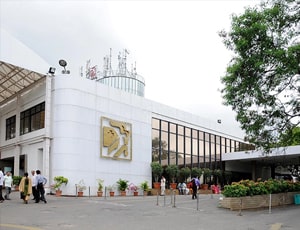
Choosing BLK-Max Super Speciality Hospital for Chronic Cerebro Spinal Venous Insufficiency (CCSVI) gives patients access to specialist vascular evaluation, advanced venous imaging, and coordinated neurological care. Established in 1959, the JCI, NABH accredited hospital is located in Delhi, India and operates 650 beds with modern diagnostic and interventional facilities.
Chronic Cerebrospinal Venous Insufficiency (CCSVI) involves proposed narrowing or altered flow in veins draining the central nervous system. Depending on the clinical situation, assessment may include Doppler ultrasound, MR venography, CT venography, or catheter venography. While balloon angioplasty and stenting have been explored for venous narrowing, clinical trials have not demonstrated a clear benefit of these procedures for treating multiple sclerosis. Any intervention should therefore be considered only after specialist evaluation and confirmation of an appropriate vascular indication.
Artemis Health Institute offers dedicated Chronic Cerebro Spinal Venous Insufficiency (CCSVI) with access to vascular imaging, interventional expertise, and multidisciplinary neurological assessment. Established in 2007, the JCI, NABH accredited hospital is situated in Gurgaon, India and has 750 beds supporting specialized vascular care.
Chronic Cerebrospinal Venous Insufficiency (CCSVI) is a term used to describe abnormalities that may affect venous drainage from the brain and spinal cord, including narrowing of certain veins. Assessment generally begins with a detailed clinical evaluation and appropriate imaging rather than treatment based solely on an imaging finding. If a significant venous obstruction is confirmed and requires intervention for a specific vascular indication, an interventional specialist may consider an appropriate catheter-based procedure. The relationship between CCSVI and neurological diseases such as multiple sclerosis remains uncertain.
Choosing Medanta - The Medicity for Chronic Cerebro Spinal Venous Insufficiency (CCSVI) gives patients access to specialist vascular evaluation, advanced venous imaging, and coordinated neurological care. Established in 2009, the JCI, NABH accredited hospital is located in Gurgaon, India and operates 1250 beds with modern diagnostic and interventional facilities.
Chronic Cerebrospinal Venous Insufficiency (CCSVI) involves proposed narrowing or altered flow in veins draining the central nervous system. Depending on the clinical situation, assessment may include Doppler ultrasound, MR venography, CT venography, or catheter venography. While balloon angioplasty and stenting have been explored for venous narrowing, clinical trials have not demonstrated a clear benefit of these procedures for treating multiple sclerosis. Any intervention should therefore be considered only after specialist evaluation and confirmation of an appropriate vascular indication.
Indraprastha Apollo Hospital provides specialized Chronic Cerebro Spinal Venous Insufficiency (CCSVI) with a focus on evaluating venous blood flow, identifying relevant venous abnormalities, and providing individualized vascular care. Established in 1996, the JCI accredited hospital is located in Delhi, India and operates 710 beds with modern vascular and diagnostic facilities.
Chronic Cerebrospinal Venous Insufficiency (CCSVI) refers to impaired venous drainage from the brain and spinal cord, historically attributed to narrowing or other abnormalities of certain veins. Evaluation may involve Doppler ultrasound, CT or MR venography, and, in selected cases, catheter-based venography. Although venous angioplasty or stenting has been investigated as a treatment, evidence has not established CCSVI treatment as an effective therapy for multiple sclerosis. Management should therefore be based on the specific venous abnormality and established clinical indications.
Global Health City provides specialized Chronic Cerebro Spinal Venous Insufficiency (CCSVI) with a focus on evaluating venous blood flow, identifying relevant venous abnormalities, and providing individualized vascular care. Established in 1999, the NABH, NABL accredited hospital is located in Chennai, India and operates 200 beds with modern vascular and diagnostic facilities.
Chronic Cerebrospinal Venous Insufficiency (CCSVI) refers to impaired venous drainage from the brain and spinal cord, historically attributed to narrowing or other abnormalities of certain veins. Evaluation may involve Doppler ultrasound, CT or MR venography, and, in selected cases, catheter-based venography. Although venous angioplasty or stenting has been investigated as a treatment, evidence has not established CCSVI treatment as an effective therapy for multiple sclerosis. Management should therefore be based on the specific venous abnormality and established clinical indications.
Apollo Hospitals provides specialized Chronic Cerebro Spinal Venous Insufficiency (CCSVI) with an emphasis on accurate venous assessment, appropriate imaging, and evidence-based vascular management. Established in 1988, the JCI accredited hospital is based in Hyderabad, India and has 550 beds supported by modern vascular and neurodiagnostic infrastructure.
Chronic Cerebrospinal Venous Insufficiency (CCSVI) is a proposed condition involving restricted or abnormal venous drainage from the brain and spinal cord. The evaluation focuses on determining whether a clinically meaningful venous abnormality is actually present and whether it requires treatment. Imaging can include ultrasound or cross-sectional venography, with catheter angiography used selectively for further assessment. Although endovascular procedures have been investigated, CCSVI-directed angioplasty or stenting is not an established treatment for multiple sclerosis, and treatment decisions should be made by an appropriately qualified vascular or neurovascular specialist.
Sterling Wockhardt Hospital provides specialized Chronic Cerebro Spinal Venous Insufficiency (CCSVI) with an emphasis on accurate venous assessment, appropriate imaging, and evidence-based vascular management. Established in 2001, the NABL accredited hospital is based in Mumbai, India and has 225 beds supported by modern vascular and neurodiagnostic infrastructure.
Chronic Cerebrospinal Venous Insufficiency (CCSVI) is a proposed condition involving restricted or abnormal venous drainage from the brain and spinal cord. The evaluation focuses on determining whether a clinically meaningful venous abnormality is actually present and whether it requires treatment. Imaging can include ultrasound or cross-sectional venography, with catheter angiography used selectively for further assessment. Although endovascular procedures have been investigated, CCSVI-directed angioplasty or stenting is not an established treatment for multiple sclerosis, and treatment decisions should be made by an appropriately qualified vascular or neurovascular specialist.
Star Hospitals offers dedicated Chronic Cerebro Spinal Venous Insufficiency (CCSVI) with access to vascular imaging, interventional expertise, and multidisciplinary neurological assessment. Established in 2008, the NABH, NABL accredited hospital is situated in Hyderabad, India and has 435 beds supporting specialized vascular care.
Chronic Cerebrospinal Venous Insufficiency (CCSVI) is a term used to describe abnormalities that may affect venous drainage from the brain and spinal cord, including narrowing of certain veins. Assessment generally begins with a detailed clinical evaluation and appropriate imaging rather than treatment based solely on an imaging finding. If a significant venous obstruction is confirmed and requires intervention for a specific vascular indication, an interventional specialist may consider an appropriate catheter-based procedure. The relationship between CCSVI and neurological diseases such as multiple sclerosis remains uncertain.
Delhi, India
At Primus Super Speciality Hospital, Chronic Cerebro Spinal Venous Insufficiency (CCSVI) is supported by vascular specialists and advanced imaging for assessment of suspected cerebrospinal venous abnormalities. Established in 2001, the NABH accredited hospital in Delhi, India has 250 beds and provides comprehensive vascular and neurological diagnostic services.
Chronic Cerebrospinal Venous Insufficiency (CCSVI) describes proposed abnormalities in the veins responsible for draining blood from the central nervous system. Patients being evaluated may undergo non-invasive vascular imaging to assess venous anatomy and blood flow. Catheter venography can provide more detailed visualization when clinically indicated. Procedures such as balloon angioplasty or venous stenting have been studied for venous narrowing, but they are not established treatments for multiple sclerosis and should not routinely be used for that purpose.
Mumbai, India
Choosing nanavati Super Speciality Hospital for Chronic Cerebro Spinal Venous Insufficiency (CCSVI) gives patients access to specialist vascular evaluation, advanced venous imaging, and coordinated neurological care. Established in 1950, the NABH accredited hospital is located in Mumbai, India and operates 350 beds with modern diagnostic and interventional facilities.
Chronic Cerebrospinal Venous Insufficiency (CCSVI) involves proposed narrowing or altered flow in veins draining the central nervous system. Depending on the clinical situation, assessment may include Doppler ultrasound, MR venography, CT venography, or catheter venography. While balloon angioplasty and stenting have been explored for venous narrowing, clinical trials have not demonstrated a clear benefit of these procedures for treating multiple sclerosis. Any intervention should therefore be considered only after specialist evaluation and confirmation of an appropriate vascular indication.
Srikara Hospitals, Miyapur offers dedicated Chronic Cerebro Spinal Venous Insufficiency (CCSVI) with access to vascular imaging, interventional expertise, and multidisciplinary neurological assessment. Established in 2013, the NABH accredited hospital is situated in Hyderabad, India and has 200 beds supporting specialized vascular care.
Chronic Cerebrospinal Venous Insufficiency (CCSVI) is a term used to describe abnormalities that may affect venous drainage from the brain and spinal cord, including narrowing of certain veins. Assessment generally begins with a detailed clinical evaluation and appropriate imaging rather than treatment based solely on an imaging finding. If a significant venous obstruction is confirmed and requires intervention for a specific vascular indication, an interventional specialist may consider an appropriate catheter-based procedure. The relationship between CCSVI and neurological diseases such as multiple sclerosis remains uncertain.
MindPlus Hospital Kalka provides specialized Chronic Cerebro Spinal Venous Insufficiency (CCSVI) with an emphasis on accurate venous assessment, appropriate imaging, and evidence-based vascular management. Established in 2020s, the NABH accredited hospital is based in Kalka, India and it has adequate bed capacity supported by modern vascular and neurodiagnostic infrastructure.
Chronic Cerebrospinal Venous Insufficiency (CCSVI) is a proposed condition involving restricted or abnormal venous drainage from the brain and spinal cord. The evaluation focuses on determining whether a clinically meaningful venous abnormality is actually present and whether it requires treatment. Imaging can include ultrasound or cross-sectional venography, with catheter angiography used selectively for further assessment. Although endovascular procedures have been investigated, CCSVI-directed angioplasty or stenting is not an established treatment for multiple sclerosis, and treatment decisions should be made by an appropriately qualified vascular or neurovascular specialist.
Hyderabad, India
At Tx Hospitals Banjara Hills, Chronic Cerebro Spinal Venous Insufficiency (CCSVI) is supported by vascular specialists and advanced imaging for assessment of suspected cerebrospinal venous abnormalities. Established in 2020, the JCI, NABH accredited hospital in Hyderabad, India has 100 beds and provides comprehensive vascular and neurological diagnostic services.
Chronic Cerebrospinal Venous Insufficiency (CCSVI) describes proposed abnormalities in the veins responsible for draining blood from the central nervous system. Patients being evaluated may undergo non-invasive vascular imaging to assess venous anatomy and blood flow. Catheter venography can provide more detailed visualization when clinically indicated. Procedures such as balloon angioplasty or venous stenting have been studied for venous narrowing, but they are not established treatments for multiple sclerosis and should not routinely be used for that purpose.
Ahmedabad, India
Apollo Hospital International Limited provides specialized Chronic Cerebro Spinal Venous Insufficiency (CCSVI) with an emphasis on accurate venous assessment, appropriate imaging, and evidence-based vascular management. Established in 2003, the NABH, JCI accredited hospital is based in Ahmedabad, India and has 300 beds supported by modern vascular and neurodiagnostic infrastructure.
Chronic Cerebrospinal Venous Insufficiency (CCSVI) is a proposed condition involving restricted or abnormal venous drainage from the brain and spinal cord. The evaluation focuses on determining whether a clinically meaningful venous abnormality is actually present and whether it requires treatment. Imaging can include ultrasound or cross-sectional venography, with catheter angiography used selectively for further assessment. Although endovascular procedures have been investigated, CCSVI-directed angioplasty or stenting is not an established treatment for multiple sclerosis, and treatment decisions should be made by an appropriately qualified vascular or neurovascular specialist.
Gurgaon, India
Choosing Manipal Hospital, Gurugram for Chronic Cerebro Spinal Venous Insufficiency (CCSVI) gives patients access to specialist vascular evaluation, advanced venous imaging, and coordinated neurological care. Established in 2008, the NABL, NABH accredited hospital is located in Gurgaon, India and operates 380 beds with modern diagnostic and interventional facilities.
Chronic Cerebrospinal Venous Insufficiency (CCSVI) involves proposed narrowing or altered flow in veins draining the central nervous system. Depending on the clinical situation, assessment may include Doppler ultrasound, MR venography, CT venography, or catheter venography. While balloon angioplasty and stenting have been explored for venous narrowing, clinical trials have not demonstrated a clear benefit of these procedures for treating multiple sclerosis. Any intervention should therefore be considered only after specialist evaluation and confirmation of an appropriate vascular indication.

Ms Patience from Uganda travelled to India for cosmetic surgery in May 2017. She got her treatment done in Asian Institute of Medical Sciences in…

Lobna (from Sudan) was diagnosed with meningioma, a form of non-cancerous brain tumor. Her family members decided to take her to one of the most…