Browse verified doctors or let our care team help you find the doctor best suited to your condition, treatment goals, and budget.

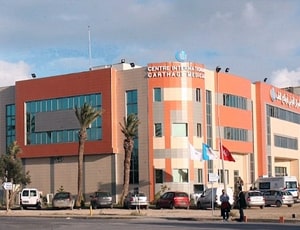
Carthage International Medical Center offers dedicated Polycystic Ovarian Syndrome (PCOS) Treatment with experienced gynecologists, endocrinologists, and advanced diagnostic support. Established in 2014, the JCI accredited hospital is situated in Monastir, Tunisia and has 120 beds supporting comprehensive women's health and reproductive care.
Polycystic Ovarian Syndrome (PCOS) Treatment varies according to whether the primary concern is menstrual irregularity, unwanted hair growth, acne, metabolic health, or difficulty becoming pregnant. A specialist may evaluate menstrual history, clinical signs of androgen excess, blood tests, and other possible causes of irregular cycles. Treatment can include lifestyle interventions, medicines for cycle regulation, and fertility-focused therapies when pregnancy is desired.
Taoufik Clinique provides specialized Polycystic Ovarian Syndrome (PCOS) Treatment with an emphasis on individualized hormonal care, fertility planning, and management of associated metabolic concerns. Established in 1979, the ISO accredited hospital is based in Tunis, Tunisia and has 180 beds supported by modern gynecology and reproductive health facilities.
Polycystic Ovarian Syndrome (PCOS) Treatment is selected according to the patient's age, symptoms, menstrual pattern, metabolic profile, and plans for pregnancy. Doctors may recommend regular physical activity and nutritional changes, along with medicines to manage irregular periods, androgen-related symptoms, or insulin resistance. For patients trying to conceive, ovulation-inducing medicines may be considered after appropriate fertility evaluation. Ongoing consultations help adjust treatment as symptoms and reproductive goals change.
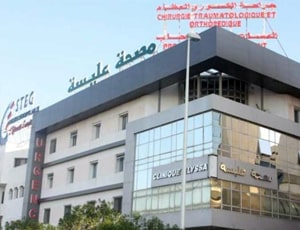
Clinic Alyssa offers dedicated Polycystic Ovarian Syndrome (PCOS) Treatment with experienced gynecologists, endocrinologists, and advanced diagnostic support. Established in 2015, the accredited hospital is situated in Tunis, Tunisia and has 80 beds supporting comprehensive women's health and reproductive care.
Polycystic Ovarian Syndrome (PCOS) Treatment varies according to whether the primary concern is menstrual irregularity, unwanted hair growth, acne, metabolic health, or difficulty becoming pregnant. A specialist may evaluate menstrual history, clinical signs of androgen excess, blood tests, and other possible causes of irregular cycles. Treatment can include lifestyle interventions, medicines for cycle regulation, and fertility-focused therapies when pregnancy is desired.

I’m happy with the surgical results and the treating physician. The medical professionals and nursing staff at Medeor Hospital, Dubai also made an excellent first…

Deborah Omotayo Adeyanju, a patient aged 33, a resident of Nigeria, was diagnosed with pregnancy months back, and she is now diagnosed with the possible…
| Speciality | Gynecology |
| Procedure | Polycystic Ovarian Syndrome (PCOS) Treatment |
| Success Rate | NA |
| Recovery Time | NA |
| Treatment Time | NA |
| Chances of Recurrence | NA |
Polycystic Ovarian Syndrome (PCOS) treatment entails a multifaceted approach to managing symptoms and hormonal imbalances. It includes lifestyle changes such as dietary changes and exercise that aid in weight management and insulin regulation. Medications such as hormonal birth control and insulin-sensitizing drugs are used to treat hormone imbalances and insulin resistance. In certain cases, surgery may be considered. The goal is to reduce symptoms, regulate menstrual cycles, and boost fertility.
Polycystic Ovarian Syndrome (PCOS) treatment primarily targets the symptoms associated with the condition. These include irregular menstrual cycles, excessive hair growth, acne, and fertility issues. Additionally, it addresses the underlying hormonal imbalances and insulin resistance that are often linked with PCOS. By managing these aspects, PCOS treatment can significantly improve a patient's quality of life.
The recovery process following Polycystic Ovarian Syndrome (PCOS) treatment differs depending on the approach used. Lifestyle changes and medication adjustments are required consistently over time to achieve the desired outcomes. Recovery from surgical procedures may take a few weeks. Because PCOS is a chronic condition, the recovery process is ongoing, requiring regular check-ins, symptom tracking, and potential changes to treatment plans to maintain symptom control and overall well-being.
The ranking of hospitals according to the procedure is based on a number of elements. The following criteria can be used to classify hospitals for Polycystic Ovarian Syndrome (PCOS) Treatments in Tunisia- Infrastructure, Procedure Availability, Popularity of procedure, Technology, Cost-effectiveness, Skilled medical personnel, Patient-care facilities, and Rate of Success
Your health is a top priority for MediGence, and we make sure you get it effortlessly. All of this is made possible by the exceptional services we offer you, which make your healthcare experience comfortable, hassle-free, and budget-friendly. Some of the top caregiving services available include Hotel stays, Dedicated Case Coordinator, Recovery packages, Online Consultation, round-the-clock assistance, and customized packages with discounts of up to a 30%. To help you receive top-notch medical treatment, we also provide a number of additional benefits.
Yes, it's simple to do that. You can place your request to our patient advisors for scheduling your online consultation with the specialist. Upon your request, our experts will check the doctor's availability, and send you the payment link to finalize the appointment.
Many people around the world consider Polycystic Ovarian Syndrome (PCOS) Treatment in Tunisia to be trustworthy due to the high success rate and excellent hospital infrastructure. Other factors that make Tunisia the preferred option for Polycystic Ovarian Syndrome (PCOS) Treatment include:
The length of recovery after treatment is determined by the patient's overall health as well as the criticality of the treatment. Additionally, post-treatment rehabilitation is crucial for accelerating recovery and cutting down on recovery time. Patients must go back for follow-up appointments after surgery in order to ensure proper healing and speed up the healing process.