Browse verified doctors or let our care team help you find the doctor best suited to your condition, treatment goals, and budget.

Prince Court Medical Centre offers dedicated Rectal Polyp Removal supported by experienced gastroenterologists and colorectal specialists, advanced endoscopic equipment, and modern diagnostic facilities. Established in 2007, the MSQH accredited hospital is situated in Kuala Lumpur, Malaysia and has 277 beds supporting comprehensive gastrointestinal care.
Rectal Polyp Removal is performed to eliminate abnormal tissue that may cause bleeding, changes in bowel habits, or other rectal symptoms and to reduce the potential risk associated with certain precancerous polyps. Depending on the polyp's size, shape, and attachment to the bowel wall, it may be removed with a snare or through another endoscopic technique. The specimen is examined under a microscope to establish the diagnosis and guide future surveillance.
Acibadem International Hospital provides specialized Rectal Polyp Removal with a focus on complete polyp removal, accurate tissue assessment, and minimally invasive colorectal care. Established in 1989, the JCI accredited hospital is located in Istanbul, Turkey and operates 112 beds with modern gastroenterology and colorectal treatment facilities.
Rectal Polyp Removal involves removing abnormal growths that develop on the inner lining of the rectum. Polyps are commonly detected during colonoscopy or other lower gastrointestinal examinations and may be removed using a snare, biopsy forceps, or other endoscopic techniques depending on their size and appearance. The removed tissue is usually sent for laboratory examination to determine its type and identify any precancerous or cancerous changes. Follow-up colonoscopy may be recommended based on the pathology findings.
Dubai, United Arab Emirates
At Burjeel Hospital for Advanced Surgery Dubai, Rectal Polyp Removal is performed using advanced endoscopic techniques and individualized colorectal treatment planning. Established in 2023, the JCI accredited hospital in Dubai, United Arab Emirates has 100 beds and provides comprehensive digestive and colorectal services.
Rectal Polyp Removal may be recommended when a polyp is identified during a rectal or colorectal examination. During the procedure, the specialist removes the growth from the rectal lining, often using an endoscope passed through the anus. Smaller polyps can frequently be removed during the same examination, while larger or complex lesions may require specialized endoscopic resection techniques or, occasionally, surgery. Pathological analysis helps determine whether further treatment or surveillance is needed.
Asan Medical Centre provides specialized Rectal Polyp Removal with a focus on complete polyp removal, accurate tissue assessment, and minimally invasive colorectal care. Established in 1989, the ISO accredited hospital is located in Seoul, South Korea and operates 2700 beds with modern gastroenterology and colorectal treatment facilities.
Rectal Polyp Removal involves removing abnormal growths that develop on the inner lining of the rectum. Polyps are commonly detected during colonoscopy or other lower gastrointestinal examinations and may be removed using a snare, biopsy forceps, or other endoscopic techniques depending on their size and appearance. The removed tissue is usually sent for laboratory examination to determine its type and identify any precancerous or cancerous changes. Follow-up colonoscopy may be recommended based on the pathology findings.
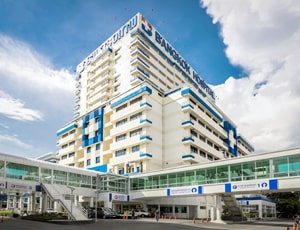
Choosing Bangkok Hospital for Rectal Polyp Removal gives patients access to specialist-led colorectal care, modern endoscopic technology, and coordinated follow-up services. Established in 1972, the JCI accredited hospital is located in Bangkok, Thailand and operates 580 beds with advanced gastrointestinal treatment infrastructure.
Rectal Polyp Removal may be carried out during a colonoscopy when a polyp is found in the rectum. The specialist uses an endoscope to visualize the lesion and removes it with appropriate instruments, with techniques selected according to its characteristics. Most polyps can be removed without open surgery, although particularly large or difficult lesions may require advanced endoscopic removal or surgical management. After removal, the tissue is sent for histopathological evaluation to determine whether additional monitoring is required.
Delhi, India
Choosing BLK-Max Super Speciality Hospital for Rectal Polyp Removal gives patients access to specialist-led colorectal care, modern endoscopic technology, and coordinated follow-up services. Established in 1959, the JCI, NABH accredited hospital is located in Delhi, India and operates 650 beds with advanced gastrointestinal treatment infrastructure.
Rectal Polyp Removal may be carried out during a colonoscopy when a polyp is found in the rectum. The specialist uses an endoscope to visualize the lesion and removes it with appropriate instruments, with techniques selected according to its characteristics. Most polyps can be removed without open surgery, although particularly large or difficult lesions may require advanced endoscopic removal or surgical management. After removal, the tissue is sent for histopathological evaluation to determine whether additional monitoring is required.
Choosing Parkway Pantai for Rectal Polyp Removal gives patients access to specialist-led colorectal care, modern endoscopic technology, and coordinated follow-up services. Established in 1974, the JCI, MSQH accredited hospital is located in Kuala Lumpur, Malaysia and operates 499 beds with advanced gastrointestinal treatment infrastructure.
Rectal Polyp Removal may be carried out during a colonoscopy when a polyp is found in the rectum. The specialist uses an endoscope to visualize the lesion and removes it with appropriate instruments, with techniques selected according to its characteristics. Most polyps can be removed without open surgery, although particularly large or difficult lesions may require advanced endoscopic removal or surgical management. After removal, the tissue is sent for histopathological evaluation to determine whether additional monitoring is required.
Choosing Vejthani Hospital for Rectal Polyp Removal gives patients access to specialist-led colorectal care, modern endoscopic technology, and coordinated follow-up services. Established in 1994, the JCI accredited hospital is located in Bangkok, Thailand and operates 263 beds with advanced gastrointestinal treatment infrastructure.
Rectal Polyp Removal may be carried out during a colonoscopy when a polyp is found in the rectum. The specialist uses an endoscope to visualize the lesion and removes it with appropriate instruments, with techniques selected according to its characteristics. Most polyps can be removed without open surgery, although particularly large or difficult lesions may require advanced endoscopic removal or surgical management. After removal, the tissue is sent for histopathological evaluation to determine whether additional monitoring is required.
At Memorial Ankara Hospital, Rectal Polyp Removal is performed using advanced endoscopic techniques and individualized colorectal treatment planning. Established in 2014, the JCI accredited hospital in Ankara, Turkey has 230 beds and provides comprehensive digestive and colorectal services.
Rectal Polyp Removal may be recommended when a polyp is identified during a rectal or colorectal examination. During the procedure, the specialist removes the growth from the rectal lining, often using an endoscope passed through the anus. Smaller polyps can frequently be removed during the same examination, while larger or complex lesions may require specialized endoscopic resection techniques or, occasionally, surgery. Pathological analysis helps determine whether further treatment or surveillance is needed.
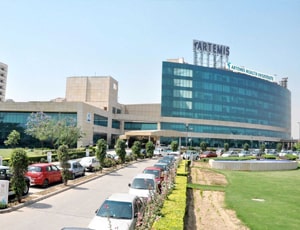
Artemis Health Institute provides specialized Rectal Polyp Removal with an emphasis on precise lesion removal, safe endoscopic practice, and appropriate pathological evaluation. Established in 2007, the JCI, NABH accredited hospital is based in Gurgaon, India and has 750 beds supported by modern gastroenterology and colorectal facilities.
Rectal Polyp Removal is used to remove polyps arising from the rectal lining, including lesions discovered incidentally during colorectal screening or investigations for symptoms. The removal technique depends on factors such as the polyp's size, shape, number, and location. Small lesions may be removed with standard polypectomy, while larger lesions may require endoscopic mucosal resection or another specialized approach. Following the procedure, pathology results help determine the polyp type and the appropriate interval for future colorectal screening.
At International St. Mary's Hospital, Rectal Polyp Removal is performed using advanced endoscopic techniques and individualized colorectal treatment planning. Established in 2014, the JCI accredited hospital in Seoul, South Korea has 808 beds and provides comprehensive digestive and colorectal services.
Rectal Polyp Removal may be recommended when a polyp is identified during a rectal or colorectal examination. During the procedure, the specialist removes the growth from the rectal lining, often using an endoscope passed through the anus. Smaller polyps can frequently be removed during the same examination, while larger or complex lesions may require specialized endoscopic resection techniques or, occasionally, surgery. Pathological analysis helps determine whether further treatment or surveillance is needed.
Sunway Medical Centre provides specialized Rectal Polyp Removal with an emphasis on precise lesion removal, safe endoscopic practice, and appropriate pathological evaluation. Established in 1999, the ACHS accredited hospital is based in Kuala Lumpur, Malaysia and has 724 beds supported by modern gastroenterology and colorectal facilities.
Rectal Polyp Removal is used to remove polyps arising from the rectal lining, including lesions discovered incidentally during colorectal screening or investigations for symptoms. The removal technique depends on factors such as the polyp's size, shape, number, and location. Small lesions may be removed with standard polypectomy, while larger lesions may require endoscopic mucosal resection or another specialized approach. Following the procedure, pathology results help determine the polyp type and the appropriate interval for future colorectal screening.
Bangpakok 9 International Hospital offers dedicated Rectal Polyp Removal supported by experienced gastroenterologists and colorectal specialists, advanced endoscopic equipment, and modern diagnostic facilities. Established in 2003, the JCI, GHA accredited hospital is situated in Bangkok, Thailand and has 300 beds supporting comprehensive gastrointestinal care.
Rectal Polyp Removal is performed to eliminate abnormal tissue that may cause bleeding, changes in bowel habits, or other rectal symptoms and to reduce the potential risk associated with certain precancerous polyps. Depending on the polyp's size, shape, and attachment to the bowel wall, it may be removed with a snare or through another endoscopic technique. The specimen is examined under a microscope to establish the diagnosis and guide future surveillance.
Dubai, United Arab Emirates
At Aster DM Healthcare, Rectal Polyp Removal is performed using advanced endoscopic techniques and individualized colorectal treatment planning. Established in 1987, the JCI, NABH, NABL accredited hospital in Dubai, United Arab Emirates has 114 beds and provides comprehensive digestive and colorectal services.
Rectal Polyp Removal may be recommended when a polyp is identified during a rectal or colorectal examination. During the procedure, the specialist removes the growth from the rectal lining, often using an endoscope passed through the anus. Smaller polyps can frequently be removed during the same examination, while larger or complex lesions may require specialized endoscopic resection techniques or, occasionally, surgery. Pathological analysis helps determine whether further treatment or surveillance is needed.
Choosing Medipol Bahçelievler Hospital for Rectal Polyp Removal gives patients access to specialist-led colorectal care, modern endoscopic technology, and coordinated follow-up services. Established in 2022, the JCI accredited hospital is located in Istanbul, Turkey and operates 441 beds with advanced gastrointestinal treatment infrastructure.
Rectal Polyp Removal may be carried out during a colonoscopy when a polyp is found in the rectum. The specialist uses an endoscope to visualize the lesion and removes it with appropriate instruments, with techniques selected according to its characteristics. Most polyps can be removed without open surgery, although particularly large or difficult lesions may require advanced endoscopic removal or surgical management. After removal, the tissue is sent for histopathological evaluation to determine whether additional monitoring is required.
| Speciality | General Surgery |
| Procedure | Rectal Polyp Removal |
| Success Rate | 95-98% |
| Recovery Time | 1-2 weeks |
| Treatment Time | 30 minutes - 1 hour |
| Chances of Recurrence | 2-5% |
Rectal polyp removal surgery is also known as polypectomy. It is a procedure used to remove abnormal growths (polyps) that develop on the lining of the rectum. These polyps can be either benign or precancerous. If not removed, they can develop into colorectal cancer in later stages. The polyp removal procedure is typically performed using a colonoscope, a flexible tube with a camera, and surgical instruments that are inserted into the rectum. The surgeon identifies and removes the polyp by cutting it away from the surrounding tissue.
Rectal Polyp Removal can be performed to eliminate benign rectal polyps, adenomatous polyps (which have the potential to turn cancerous if not treated timely), and inflammatory polyps (which result in inflammation in the rectal lining).
The recovery process after Rectal Polyp Removal is typically straightforward. Patients may experience some mild discomfort or bleeding after the procedure, but this usually subsides within a few days. Most individuals can resume their regular activities within a day or two. However, weight-bearing or extremely tiring physical activities and heavy lifting should be avoided. Patients are advised to follow a soft diet and avoid spicy foods or straining during bowel movements during the healing process. Regular follow-up appointments are essential to monitor the healing progress and address any concerns after the surgery.