Browse verified doctors or let our care team help you find the doctor best suited to your condition, treatment goals, and budget.

At Life Kingsbury Hospital, Stapled Hemorrhoidopexy is performed using specialized colorectal surgical techniques and comprehensive assessment of the severity and type of hemorrhoidal disease. Established in 1918, this accredited hospital in Cape Town, South Africa has 212 beds and offers advanced proctology, colorectal surgery, minimally invasive procedures, and postoperative care services.
Stapled Hemorrhoidopexy may be considered for appropriately selected patients with symptomatic prolapsing internal hemorrhoids, particularly when conservative treatments have not provided sufficient relief. Before surgery, the colorectal specialist evaluates the degree of prolapse, bleeding, discomfort, bowel habits, and other anorectal symptoms. During the procedure, a circular stapler is positioned inside the anal canal to remove a band of mucosal tissue and reposition the prolapsed hemorrhoidal tissue.
Johannesburg, South Africa
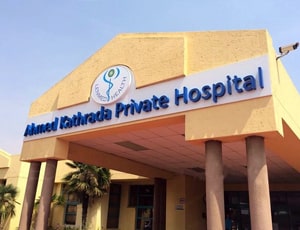
Lenmed Ahmed Kathrada Private Hospital is a trusted healthcare provider for Stapled Hemorrhoidopexy, offering minimally invasive treatment for selected hemorrhoidal conditions supported by experienced colorectal surgeons, proctologists, anesthesiologists, and multidisciplinary surgical teams. Established in 1984, the COHSASA, ISQua accredited hospital is situated in Johannesburg, South Africa and has 254 beds.
Stapled Hemorrhoidopexy works by removing a circumferential ring of rectal mucosa above the hemorrhoids. This interrupts some of the blood supply to the prolapsing tissue and pulls the hemorrhoidal cushions upward, helping restore them to a more normal position. Because the stapling is performed above the main pain-sensitive area of the anal canal, recovery may be more comfortable for some patients than procedures involving extensive excision.
Asian Institute of Medical Sciences is a trusted healthcare provider for Stapled Hemorrhoidopexy, offering minimally invasive treatment for selected hemorrhoidal conditions supported by experienced colorectal surgeons, proctologists, anesthesiologists, and multidisciplinary surgical teams. Established in 2010, the NABL, NABH accredited hospital is situated in Faridabad, India and has 425 beds.
Stapled Hemorrhoidopexy works by removing a circumferential ring of rectal mucosa above the hemorrhoids. This interrupts some of the blood supply to the prolapsing tissue and pulls the hemorrhoidal cushions upward, helping restore them to a more normal position. Because the stapling is performed above the main pain-sensitive area of the anal canal, recovery may be more comfortable for some patients than procedures involving extensive excision.
Choosing Apollo Hospital International Limited for Stapled Hemorrhoidopexy gives patients access to experienced colorectal surgeons, advanced anorectal diagnostic facilities, minimally invasive surgical systems, specialized anesthesia services, and structured postoperative care. Established in 2003, the NABH, JCI accredited hospital in Ahmedabad, India has 300 beds and provides specialized treatment for hemorrhoidal disease.
Stapled Hemorrhoidopexy is performed under appropriate anaesthesia, with the stapling device used to reposition prolapsed internal hemorrhoidal tissue. The procedure generally does not involve direct excision of external hemorrhoids and is therefore not suitable for every type of hemorrhoidal disease. After surgery, patients may experience temporary pain, urgency, bleeding, or discomfort during bowel movements. Potential complications include bleeding, urinary difficulties, infection, recurrence, or, rarely, injury to surrounding tissues.
Manipal Hospital, Gurugram offers advanced Stapled Hemorrhoidopexy using modern minimally invasive colorectal techniques and individualized anorectal care plans. Established in 2008, the NABL, NABH accredited hospital is located in Gurgaon, India and has 380 beds, providing comprehensive colorectal and proctology care for local and international patients.
Stapled Hemorrhoidopexy is a surgical procedure used primarily to treat selected cases of prolapsing internal hemorrhoids. Instead of directly removing the hemorrhoidal tissue, a circular stapling device removes a ring of mucosa above the hemorrhoids and lifts the prolapsed tissue back toward its normal position. The technique aims to reduce prolapse and improve blood flow to the hemorrhoidal tissue while limiting the need for extensive external incisions.
Acibadem Altunizade Hospital is a trusted healthcare provider for Stapled Hemorrhoidopexy, offering minimally invasive treatment for selected hemorrhoidal conditions supported by experienced colorectal surgeons, proctologists, anesthesiologists, and multidisciplinary surgical teams. Established in 2017, the JCI, ISO accredited hospital is situated in Istanbul, Turkey and has 350 beds.
Stapled Hemorrhoidopexy works by removing a circumferential ring of rectal mucosa above the hemorrhoids. This interrupts some of the blood supply to the prolapsing tissue and pulls the hemorrhoidal cushions upward, helping restore them to a more normal position. Because the stapling is performed above the main pain-sensitive area of the anal canal, recovery may be more comfortable for some patients than procedures involving extensive excision.
Clear Medi Hospital, Karkardooma is a trusted healthcare provider for Stapled Hemorrhoidopexy, offering minimally invasive treatment for selected hemorrhoidal conditions supported by experienced colorectal surgeons, proctologists, anesthesiologists, and multidisciplinary surgical teams. Established in 2017, the NABH, NABL accredited hospital is situated in Delhi, India and has 100 beds.
Stapled Hemorrhoidopexy works by removing a circumferential ring of rectal mucosa above the hemorrhoids. This interrupts some of the blood supply to the prolapsing tissue and pulls the hemorrhoidal cushions upward, helping restore them to a more normal position. Because the stapling is performed above the main pain-sensitive area of the anal canal, recovery may be more comfortable for some patients than procedures involving extensive excision.
Sheba Medical Center offers advanced Stapled Hemorrhoidopexy using modern minimally invasive colorectal techniques and individualized anorectal care plans. Established in 1948, the JCI accredited hospital is located in Ramat Gan, Israel and has 1900 beds, providing comprehensive colorectal and proctology care for local and international patients.
Stapled Hemorrhoidopexy is a surgical procedure used primarily to treat selected cases of prolapsing internal hemorrhoids. Instead of directly removing the hemorrhoidal tissue, a circular stapling device removes a ring of mucosa above the hemorrhoids and lifts the prolapsed tissue back toward its normal position. The technique aims to reduce prolapse and improve blood flow to the hemorrhoidal tissue while limiting the need for extensive external incisions.
Herzliya Medical Center provides specialised Stapled Hemorrhoidopexy with a focus on precise treatment of prolapsing internal hemorrhoids, minimally invasive surgical access, and individualized postoperative management. Established in 1983, the accredited hospital is located in Herzliya, Israel and operates 120 beds, with modern colorectal surgery, proctology, diagnostic, anesthesia, and postoperative care infrastructure.
Stapled Hemorrhoidopexy can provide a treatment option for appropriately selected patients with prolapsing internal hemorrhoids. Treatment planning considers the grade and location of hemorrhoids, degree of prolapse, bleeding, bowel habits, previous treatments, and presence of external hemorrhoidal disease or other anorectal conditions. A detailed colorectal assessment helps determine whether stapled hemorrhoidopexy is appropriate or whether another treatment approach would provide better disease control.
Choosing Eregli Anadolu Hospital for Stapled Hemorrhoidopexy gives patients access to experienced colorectal surgeons, advanced anorectal diagnostic facilities, minimally invasive surgical systems, specialized anesthesia services, and structured postoperative care. Established in 1998, the JCI accredited hospital in Zonguldak, Turkey has 75 beds and provides specialized treatment for hemorrhoidal disease.
Stapled Hemorrhoidopexy is performed under appropriate anaesthesia, with the stapling device used to reposition prolapsed internal hemorrhoidal tissue. The procedure generally does not involve direct excision of external hemorrhoids and is therefore not suitable for every type of hemorrhoidal disease. After surgery, patients may experience temporary pain, urgency, bleeding, or discomfort during bowel movements. Potential complications include bleeding, urinary difficulties, infection, recurrence, or, rarely, injury to surrounding tissues.
Riyadh Care Hospital provides specialised Stapled Hemorrhoidopexy with a focus on precise treatment of prolapsing internal hemorrhoids, minimally invasive surgical access, and individualized postoperative management. Established in 1990, the JCI accredited hospital is located in Riyadh, Saudi Arabia and operates 325 beds, with modern colorectal surgery, proctology, diagnostic, anesthesia, and postoperative care infrastructure.
Stapled Hemorrhoidopexy can provide a treatment option for appropriately selected patients with prolapsing internal hemorrhoids. Treatment planning considers the grade and location of hemorrhoids, degree of prolapse, bleeding, bowel habits, previous treatments, and presence of external hemorrhoidal disease or other anorectal conditions. A detailed colorectal assessment helps determine whether stapled hemorrhoidopexy is appropriate or whether another treatment approach would provide better disease control.
Care national Hospital provides specialised Stapled Hemorrhoidopexy with a focus on precise treatment of prolapsing internal hemorrhoids, minimally invasive surgical access, and individualized postoperative management. Established in 2003, the JCI accredited hospital is located in Riyadh, Saudi Arabia and operates 460 beds, with modern colorectal surgery, proctology, diagnostic, anesthesia, and postoperative care infrastructure.
Stapled Hemorrhoidopexy can provide a treatment option for appropriately selected patients with prolapsing internal hemorrhoids. Treatment planning considers the grade and location of hemorrhoids, degree of prolapse, bleeding, bowel habits, previous treatments, and presence of external hemorrhoidal disease or other anorectal conditions. A detailed colorectal assessment helps determine whether stapled hemorrhoidopexy is appropriate or whether another treatment approach would provide better disease control.
Bestify Group provides specialised Stapled Hemorrhoidopexy with a focus on precise treatment of prolapsing internal hemorrhoids, minimally invasive surgical access, and individualized postoperative management. Established in 2019, the JCI accredited hospital is located in Izmir, Turkey and operates beds, with modern colorectal surgery, proctology, diagnostic, anesthesia, and postoperative care infrastructure.
Stapled Hemorrhoidopexy can provide a treatment option for appropriately selected patients with prolapsing internal hemorrhoids. Treatment planning considers the grade and location of hemorrhoids, degree of prolapse, bleeding, bowel habits, previous treatments, and presence of external hemorrhoidal disease or other anorectal conditions. A detailed colorectal assessment helps determine whether stapled hemorrhoidopexy is appropriate or whether another treatment approach would provide better disease control.
At Medical Park Ordu Hospital, Stapled Hemorrhoidopexy is performed using specialized colorectal surgical techniques and comprehensive assessment of the severity and type of hemorrhoidal disease. Established in 2014, this JCI accredited hospital in Ordu, Turkey has 150 beds and offers advanced proctology, colorectal surgery, minimally invasive procedures, and postoperative care services.
Stapled Hemorrhoidopexy may be considered for appropriately selected patients with symptomatic prolapsing internal hemorrhoids, particularly when conservative treatments have not provided sufficient relief. Before surgery, the colorectal specialist evaluates the degree of prolapse, bleeding, discomfort, bowel habits, and other anorectal symptoms. During the procedure, a circular stapler is positioned inside the anal canal to remove a band of mucosal tissue and reposition the prolapsed hemorrhoidal tissue.
VM Medical Park Bursa Hospital is a trusted healthcare provider for Stapled Hemorrhoidopexy, offering minimally invasive treatment for selected hemorrhoidal conditions supported by experienced colorectal surgeons, proctologists, anesthesiologists, and multidisciplinary surgical teams. Established in 2017, the JCI accredited hospital is situated in Bursa, Turkey and has 270 beds.
Stapled Hemorrhoidopexy works by removing a circumferential ring of rectal mucosa above the hemorrhoids. This interrupts some of the blood supply to the prolapsing tissue and pulls the hemorrhoidal cushions upward, helping restore them to a more normal position. Because the stapling is performed above the main pain-sensitive area of the anal canal, recovery may be more comfortable for some patients than procedures involving extensive excision.