Browse verified doctors or let our care team help you find the doctor best suited to your condition, treatment goals, and budget.

Delhi, India
BLK-Max Super Speciality Hospital offers advanced Proctectomy using modern colorectal and minimally invasive surgical techniques and individualized gastrointestinal care plans. Established in 1959, the JCI, NABH accredited hospital is located in Delhi, India and has 650 beds, providing comprehensive colorectal, gastrointestinal, and surgical oncology care for local and international patients.
Proctectomy is a surgical procedure used to remove part or all of the rectum. It may be performed for conditions such as rectal cancer, severe inflammatory bowel disease, recurrent rectal disease, or other complex disorders affecting the rectum. Depending on the location and extent of disease, the procedure may preserve the anal sphincter and restore bowel continuity or require removal of the anus and creation of a permanent colostomy.
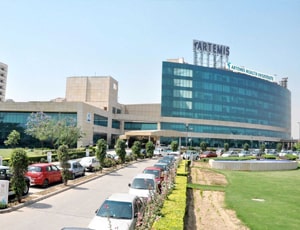
Artemis Health Institute is a trusted healthcare provider for Proctectomy, offering advanced rectal surgery supported by experienced colorectal surgeons, surgical oncologists, gastroenterologists, radiologists, anesthesiologists, and multidisciplinary gastrointestinal teams. Established in 2007, the JCI, NABH accredited hospital is situated in Gurgaon, India and has 750 beds.
Proctectomy involves removing diseased rectal tissue while aiming to achieve appropriate disease control and preserve bowel function whenever clinically possible. For selected rectal cancer cases, the procedure may include removal of surrounding fatty tissue and nearby lymph nodes. Depending on the location of the disease, surgery may be performed using open, laparoscopic, or robotic-assisted techniques, with reconstruction planned according to the remaining bowel and anal sphincter function.
Choosing Gleneagles Hospital Mumbai for Proctectomy gives patients access to experienced colorectal surgeons, advanced pelvic imaging, laparoscopic and robotic surgical systems, specialized anesthesia services, and structured postoperative and stoma care. Established in 1996, the JCI accredited hospital in Mumbai, India has 450 beds and provides specialized treatment for complex rectal conditions.
Proctectomy is performed under general anaesthesia, with the surgical technique selected according to the location and extent of disease. In sphincter-preserving procedures, the remaining colon may be connected to the anal canal or remaining rectum. When the anus and sphincter must also be removed, a permanent colostomy may be created to provide an alternative route for stool elimination. Patients are monitored after surgery for bleeding, infection, anastomotic leakage, bowel dysfunction, urinary or sexual complications, and other potential effects.
Ghaziabad, India
At Max Super Specialty Hospital, Vaishali, Proctectomy is performed using specialized colorectal surgical techniques and comprehensive diagnostic and cancer-staging assessment. Established in 2008, this NABL, NABH accredited hospital in Ghaziabad, India has 370 beds and offers advanced colorectal surgery, minimally invasive procedures, gastroenterology, and surgical oncology services.
Proctectomy may be considered for selected patients with rectal cancer and other serious conditions requiring removal of diseased rectal tissue. Before surgery, investigations such as colonoscopy, pelvic MRI, CT imaging, and laboratory testing may be performed to determine the location and extent of disease. During the procedure, the affected rectal tissue is removed, with the surgical approach and extent of resection determined by the underlying condition and the patient's anatomy.
Choosing Max Hospital, Gurgaon for Proctectomy gives patients access to experienced colorectal surgeons, advanced pelvic imaging, laparoscopic and robotic surgical systems, specialized anesthesia services, and structured postoperative and stoma care. Established in 2007, the ISO, NABH, NABL accredited hospital in Gurgaon, India has 104 beds and provides specialized treatment for complex rectal conditions.
Proctectomy is performed under general anaesthesia, with the surgical technique selected according to the location and extent of disease. In sphincter-preserving procedures, the remaining colon may be connected to the anal canal or remaining rectum. When the anus and sphincter must also be removed, a permanent colostomy may be created to provide an alternative route for stool elimination. Patients are monitored after surgery for bleeding, infection, anastomotic leakage, bowel dysfunction, urinary or sexual complications, and other potential effects.
Choosing Indraprastha Apollo Hospital for Proctectomy gives patients access to experienced colorectal surgeons, advanced pelvic imaging, laparoscopic and robotic surgical systems, specialized anesthesia services, and structured postoperative and stoma care. Established in 1996, the JCI accredited hospital in Delhi, India has 710 beds and provides specialized treatment for complex rectal conditions.
Proctectomy is performed under general anaesthesia, with the surgical technique selected according to the location and extent of disease. In sphincter-preserving procedures, the remaining colon may be connected to the anal canal or remaining rectum. When the anus and sphincter must also be removed, a permanent colostomy may be created to provide an alternative route for stool elimination. Patients are monitored after surgery for bleeding, infection, anastomotic leakage, bowel dysfunction, urinary or sexual complications, and other potential effects.
Choosing Apollo Hospitals for Proctectomy gives patients access to experienced colorectal surgeons, advanced pelvic imaging, laparoscopic and robotic surgical systems, specialized anesthesia services, and structured postoperative and stoma care. Established in 1988, the JCI accredited hospital in Hyderabad, India has 550 beds and provides specialized treatment for complex rectal conditions.
Proctectomy is performed under general anaesthesia, with the surgical technique selected according to the location and extent of disease. In sphincter-preserving procedures, the remaining colon may be connected to the anal canal or remaining rectum. When the anus and sphincter must also be removed, a permanent colostomy may be created to provide an alternative route for stool elimination. Patients are monitored after surgery for bleeding, infection, anastomotic leakage, bowel dysfunction, urinary or sexual complications, and other potential effects.
At nanavati Super Speciality Hospital, Proctectomy is performed using specialized colorectal surgical techniques and comprehensive diagnostic and cancer-staging assessment. Established in 1950, this NABH accredited hospital in Mumbai, India has 350 beds and offers advanced colorectal surgery, minimally invasive procedures, gastroenterology, and surgical oncology services.
Proctectomy may be considered for selected patients with rectal cancer and other serious conditions requiring removal of diseased rectal tissue. Before surgery, investigations such as colonoscopy, pelvic MRI, CT imaging, and laboratory testing may be performed to determine the location and extent of disease. During the procedure, the affected rectal tissue is removed, with the surgical approach and extent of resection determined by the underlying condition and the patient's anatomy.
Delhi, India
Max Super Speciality Hospital, Patparganj provides specialised Proctectomy with a focus on precise rectal resection, appropriate cancer control, preservation of bowel and sphincter function where possible, and individualized postoperative management. Established in 2005, the NABH, NABL, AACI accredited hospital is located in Delhi, India and operates 400 beds, with modern colorectal surgery, pelvic imaging, oncology, laparoscopic, robotic, and stoma-care infrastructure.
Proctectomy can provide an important surgical treatment option for appropriately selected patients with rectal cancer and other localized or complex rectal disorders. Treatment planning considers the underlying diagnosis, location and stage of disease, involvement of surrounding tissues, sphincter function, bowel health, previous procedures, nutritional status, and overall health. For rectal cancer, multidisciplinary assessment may determine whether chemotherapy, radiation therapy, or other treatments are appropriate before or after surgery.
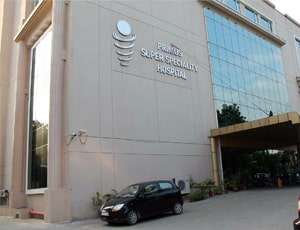
Primus Super Speciality Hospital is a trusted healthcare provider for Proctectomy, offering advanced rectal surgery supported by experienced colorectal surgeons, surgical oncologists, gastroenterologists, radiologists, anesthesiologists, and multidisciplinary gastrointestinal teams. Established in 2001, the NABH accredited hospital is situated in Delhi, India and has 250 beds.
Proctectomy involves removing diseased rectal tissue while aiming to achieve appropriate disease control and preserve bowel function whenever clinically possible. For selected rectal cancer cases, the procedure may include removal of surrounding fatty tissue and nearby lymph nodes. Depending on the location of the disease, surgery may be performed using open, laparoscopic, or robotic-assisted techniques, with reconstruction planned according to the remaining bowel and anal sphincter function.
Fortis Hospital provides specialised Proctectomy with a focus on precise rectal resection, appropriate cancer control, preservation of bowel and sphincter function where possible, and individualized postoperative management. Established in 2006, the JCI, NABH accredited hospital is located in Mohali, India and operates 276 beds, with modern colorectal surgery, pelvic imaging, oncology, laparoscopic, robotic, and stoma-care infrastructure.
Proctectomy can provide an important surgical treatment option for appropriately selected patients with rectal cancer and other localized or complex rectal disorders. Treatment planning considers the underlying diagnosis, location and stage of disease, involvement of surrounding tissues, sphincter function, bowel health, previous procedures, nutritional status, and overall health. For rectal cancer, multidisciplinary assessment may determine whether chemotherapy, radiation therapy, or other treatments are appropriate before or after surgery.
Delhi, India
Choosing Fortis Flt. Lt. Rajan Dhall Hospital for Proctectomy gives patients access to experienced colorectal surgeons, advanced pelvic imaging, laparoscopic and robotic surgical systems, specialized anesthesia services, and structured postoperative and stoma care. Established in 2006, the NABH accredited hospital in Delhi, India has 162 beds and provides specialized treatment for complex rectal conditions.
Proctectomy is performed under general anaesthesia, with the surgical technique selected according to the location and extent of disease. In sphincter-preserving procedures, the remaining colon may be connected to the anal canal or remaining rectum. When the anus and sphincter must also be removed, a permanent colostomy may be created to provide an alternative route for stool elimination. Patients are monitored after surgery for bleeding, infection, anastomotic leakage, bowel dysfunction, urinary or sexual complications, and other potential effects.
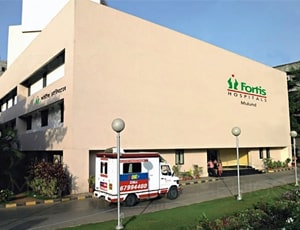
Fortis Hospital, Mulund offers advanced Proctectomy using modern colorectal and minimally invasive surgical techniques and individualized gastrointestinal care plans. Established in 2002, the JCI, NABH accredited hospital is located in Mumbai, India and has 315 beds, providing comprehensive colorectal, gastrointestinal, and surgical oncology care for local and international patients.
Proctectomy is a surgical procedure used to remove part or all of the rectum. It may be performed for conditions such as rectal cancer, severe inflammatory bowel disease, recurrent rectal disease, or other complex disorders affecting the rectum. Depending on the location and extent of disease, the procedure may preserve the anal sphincter and restore bowel continuity or require removal of the anus and creation of a permanent colostomy.
Choosing Manipal Hospital, Hebbal for Proctectomy gives patients access to experienced colorectal surgeons, advanced pelvic imaging, laparoscopic and robotic surgical systems, specialized anesthesia services, and structured postoperative and stoma care. Established in 1991, the NABL, NABH accredited hospital in Bangalore, India has 280 beds and provides specialized treatment for complex rectal conditions.
Proctectomy is performed under general anaesthesia, with the surgical technique selected according to the location and extent of disease. In sphincter-preserving procedures, the remaining colon may be connected to the anal canal or remaining rectum. When the anus and sphincter must also be removed, a permanent colostomy may be created to provide an alternative route for stool elimination. Patients are monitored after surgery for bleeding, infection, anastomotic leakage, bowel dysfunction, urinary or sexual complications, and other potential effects.
Max Super Speciality Hospital, Saket provides specialised Proctectomy with a focus on precise rectal resection, appropriate cancer control, preservation of bowel and sphincter function where possible, and individualized postoperative management. Established in 2006, the JCI, NABH accredited hospital is located in Delhi, India and operates 539 beds, with modern colorectal surgery, pelvic imaging, oncology, laparoscopic, robotic, and stoma-care infrastructure.
Proctectomy can provide an important surgical treatment option for appropriately selected patients with rectal cancer and other localized or complex rectal disorders. Treatment planning considers the underlying diagnosis, location and stage of disease, involvement of surrounding tissues, sphincter function, bowel health, previous procedures, nutritional status, and overall health. For rectal cancer, multidisciplinary assessment may determine whether chemotherapy, radiation therapy, or other treatments are appropriate before or after surgery.