Browse verified doctors or let our care team help you find the doctor best suited to your condition, treatment goals, and budget.

Ghaziabad, India
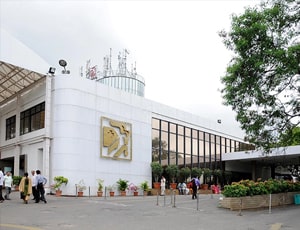
At Max Super Specialty Hospital, Vaishali, Portal Vein Embolization (PVE) is performed using specialized interventional radiology techniques and detailed liver imaging. Established in 2008, this NABL, NABH accredited hospital in Ghaziabad, India has 370 beds and offers advanced hepatobiliary, oncology, surgical, and interventional radiology services.
Portal Vein Embolization may be considered for selected patients who require major liver resection but have an inadequate volume of healthy liver expected to remain after surgery. Using image guidance, an interventional radiologist accesses the portal venous system and delivers embolic materials into targeted portal vein branches. This redirects portal blood flow toward the future liver remnant, stimulating compensatory growth over the following weeks.
Canadian Specialist Hospital provides specialised Portal Vein Embolization (PVE) with a focus on precise portal vein targeting, careful assessment of liver reserve, advanced image guidance, and coordinated hepatobiliary care. Established in 2006, the JCI accredited hospital is located in Dubai, United Arab Emirates and operates 200 beds, with modern interventional radiology, liver imaging, oncology, and surgical infrastructure.
Portal Vein Embolization can be used as a preoperative strategy for selected patients undergoing extensive liver resection, particularly when the anticipated future liver remnant may be too small to provide adequate postoperative liver function. Treatment planning considers liver volume, underlying liver disease, tumor distribution, portal vein anatomy, and the proposed extent of resection. Detailed imaging and multidisciplinary assessment help determine whether PVE is appropriate and whether sufficient liver growth has occurred before proceeding with definitive liver surgery.
Max Hospital, Gurgaon is a trusted healthcare provider for Portal Vein Embolization (PVE), offering advanced preoperative liver-directed interventions supported by experienced interventional radiologists, hepatobiliary surgeons, oncologists, radiologists, and multidisciplinary liver teams. Established in 2007, the ISO, NABH, NABL accredited hospital is situated in Gurgaon, India and has 104 beds.
Portal Vein Embolization works by reducing portal blood flow to the liver segments that are scheduled for surgical removal and redirecting it toward the portion intended to remain. The increased blood flow and associated biological response can promote growth of the future liver remnant. Liver imaging and volumetric assessment are used before and after the procedure to evaluate whether sufficient liver growth has occurred for the planned resection.
At Sikarin Hospital, Portal Vein Embolization (PVE) is performed using specialized interventional radiology techniques and detailed liver imaging. Established in 1979, this JCI accredited hospital in Bangkok, Thailand has 354 beds and offers advanced hepatobiliary, oncology, surgical, and interventional radiology services.
Portal Vein Embolization may be considered for selected patients who require major liver resection but have an inadequate volume of healthy liver expected to remain after surgery. Using image guidance, an interventional radiologist accesses the portal venous system and delivers embolic materials into targeted portal vein branches. This redirects portal blood flow toward the future liver remnant, stimulating compensatory growth over the following weeks.
At Liv Hospital Ulus, Portal Vein Embolization (PVE) is performed using specialized interventional radiology techniques and detailed liver imaging. Established in 2013, this JCI accredited hospital in Istanbul, Turkey has 154 beds and offers advanced hepatobiliary, oncology, surgical, and interventional radiology services.
Portal Vein Embolization may be considered for selected patients who require major liver resection but have an inadequate volume of healthy liver expected to remain after surgery. Using image guidance, an interventional radiologist accesses the portal venous system and delivers embolic materials into targeted portal vein branches. This redirects portal blood flow toward the future liver remnant, stimulating compensatory growth over the following weeks.
At Indraprastha Apollo Hospital, Portal Vein Embolization (PVE) is performed using specialized interventional radiology techniques and detailed liver imaging. Established in 1996, this JCI accredited hospital in Delhi, India has 710 beds and offers advanced hepatobiliary, oncology, surgical, and interventional radiology services.
Portal Vein Embolization may be considered for selected patients who require major liver resection but have an inadequate volume of healthy liver expected to remain after surgery. Using image guidance, an interventional radiologist accesses the portal venous system and delivers embolic materials into targeted portal vein branches. This redirects portal blood flow toward the future liver remnant, stimulating compensatory growth over the following weeks.
Prime Hospital provides specialised Portal Vein Embolization (PVE) with a focus on precise portal vein targeting, careful assessment of liver reserve, advanced image guidance, and coordinated hepatobiliary care. Established in 1999, the ACHS, JCI accredited hospital is located in Dubai, United Arab Emirates and operates 100 beds, with modern interventional radiology, liver imaging, oncology, and surgical infrastructure.
Portal Vein Embolization can be used as a preoperative strategy for selected patients undergoing extensive liver resection, particularly when the anticipated future liver remnant may be too small to provide adequate postoperative liver function. Treatment planning considers liver volume, underlying liver disease, tumor distribution, portal vein anatomy, and the proposed extent of resection. Detailed imaging and multidisciplinary assessment help determine whether PVE is appropriate and whether sufficient liver growth has occurred before proceeding with definitive liver surgery.
Apollo Hospitals is a trusted healthcare provider for Portal Vein Embolization (PVE), offering advanced preoperative liver-directed interventions supported by experienced interventional radiologists, hepatobiliary surgeons, oncologists, radiologists, and multidisciplinary liver teams. Established in 1988, the JCI accredited hospital is situated in Hyderabad, India and has 550 beds.
Portal Vein Embolization works by reducing portal blood flow to the liver segments that are scheduled for surgical removal and redirecting it toward the portion intended to remain. The increased blood flow and associated biological response can promote growth of the future liver remnant. Liver imaging and volumetric assessment are used before and after the procedure to evaluate whether sufficient liver growth has occurred for the planned resection.
At nanavati Super Speciality Hospital, Portal Vein Embolization (PVE) is performed using specialized interventional radiology techniques and detailed liver imaging. Established in 1950, this NABH accredited hospital in Mumbai, India has 350 beds and offers advanced hepatobiliary, oncology, surgical, and interventional radiology services.
Portal Vein Embolization may be considered for selected patients who require major liver resection but have an inadequate volume of healthy liver expected to remain after surgery. Using image guidance, an interventional radiologist accesses the portal venous system and delivers embolic materials into targeted portal vein branches. This redirects portal blood flow toward the future liver remnant, stimulating compensatory growth over the following weeks.
Rabin Medical Center offers advanced Portal Vein Embolization (PVE) using modern interventional radiology techniques and individualized hepatobiliary care plans. Established in 1996, the JCI accredited hospital is located in Petah Tikva, Israel and has 1300 beds, providing comprehensive liver and interventional radiology services for local and international patients.
Portal Vein Embolization (PVE) is a minimally invasive procedure used to redirect blood flow within the liver before certain major liver surgeries. During the procedure, selected branches of the portal vein supplying the portion of the liver planned for removal are intentionally blocked. This encourages the remaining liver tissue to enlarge and increase its functional capacity before surgery, potentially allowing patients with an initially insufficient future liver remnant to undergo planned liver resection.
Medicana International Ankara Hospital offers advanced Portal Vein Embolization (PVE) using modern interventional radiology techniques and individualized hepatobiliary care plans. Established in 2008, the JCI accredited hospital is located in Ankara, Turkey and has 215 beds, providing comprehensive liver and interventional radiology services for local and international patients.
Portal Vein Embolization (PVE) is a minimally invasive procedure used to redirect blood flow within the liver before certain major liver surgeries. During the procedure, selected branches of the portal vein supplying the portion of the liver planned for removal are intentionally blocked. This encourages the remaining liver tissue to enlarge and increase its functional capacity before surgery, potentially allowing patients with an initially insufficient future liver remnant to undergo planned liver resection.
University Hospital offers advanced Portal Vein Embolization (PVE) using modern interventional radiology techniques and individualized hepatobiliary care plans. Established in 1842, the SAC accredited hospital is located in Basel, Switzerland and has 773 beds, providing comprehensive liver and interventional radiology services for local and international patients.
Portal Vein Embolization (PVE) is a minimally invasive procedure used to redirect blood flow within the liver before certain major liver surgeries. During the procedure, selected branches of the portal vein supplying the portion of the liver planned for removal are intentionally blocked. This encourages the remaining liver tissue to enlarge and increase its functional capacity before surgery, potentially allowing patients with an initially insufficient future liver remnant to undergo planned liver resection.
Delhi, India
Max Super Speciality Hospital, Patparganj is a trusted healthcare provider for Portal Vein Embolization (PVE), offering advanced preoperative liver-directed interventions supported by experienced interventional radiologists, hepatobiliary surgeons, oncologists, radiologists, and multidisciplinary liver teams. Established in 2005, the NABH, NABL, AACI accredited hospital is situated in Delhi, India and has 400 beds.
Portal Vein Embolization works by reducing portal blood flow to the liver segments that are scheduled for surgical removal and redirecting it toward the portion intended to remain. The increased blood flow and associated biological response can promote growth of the future liver remnant. Liver imaging and volumetric assessment are used before and after the procedure to evaluate whether sufficient liver growth has occurred for the planned resection.
At Centro Medico Teknon, Portal Vein Embolization (PVE) is performed using specialized interventional radiology techniques and detailed liver imaging. Established in 1994, this JCI accredited hospital in Barcelona, Spain has 211 beds and offers advanced hepatobiliary, oncology, surgical, and interventional radiology services.
Portal Vein Embolization may be considered for selected patients who require major liver resection but have an inadequate volume of healthy liver expected to remain after surgery. Using image guidance, an interventional radiologist accesses the portal venous system and delivers embolic materials into targeted portal vein branches. This redirects portal blood flow toward the future liver remnant, stimulating compensatory growth over the following weeks.
Hospital Quironsalud Barcelona is a trusted healthcare provider for Portal Vein Embolization (PVE), offering advanced preoperative liver-directed interventions supported by experienced interventional radiologists, hepatobiliary surgeons, oncologists, radiologists, and multidisciplinary liver teams. Established in 1944, the JCI, ISO accredited hospital is situated in Barcelona, Spain and has 165 beds.
Portal Vein Embolization works by reducing portal blood flow to the liver segments that are scheduled for surgical removal and redirecting it toward the portion intended to remain. The increased blood flow and associated biological response can promote growth of the future liver remnant. Liver imaging and volumetric assessment are used before and after the procedure to evaluate whether sufficient liver growth has occurred for the planned resection.