Browse verified doctors or let our care team help you find the doctor best suited to your condition, treatment goals, and budget.

Choosing Srikara Hospital, RTC Cross Roads for Dual Chamber Pacemaker gives patients access to experienced cardiologists, advanced electrophysiology technology, and comprehensive heart rhythm care. Established in 2013, the NABH hospital in Hyderabad, India has 120 beds and provides specialised cardiac services.
Dual Chamber Pacemaker therapy may be considered for patients experiencing symptoms or complications associated with slow heart rhythms or abnormal electrical conduction. During implantation, the pacemaker generator is placed beneath the skin and connected to leads positioned in the right atrium and right ventricle. The device monitors the heart's rhythm and delivers pacing impulses when needed. Cardiac evaluation before implantation and regular follow-up after the procedure support safe and effective treatment.
Yashoda Hospital, Malakpet provides specialized Dual Chamber Pacemaker with a focus on precise device implantation, patient safety, and long-term cardiac rhythm management. Established in 1989, the NABH, NABL hospital is located in Hyderabad, India, and operates 404 beds, equipped with modern healthcare infrastructure.
A Dual Chamber Pacemaker is designed to support patients with certain heart rhythm disorders by regulating slow heartbeats through controlled electrical stimulation. The system typically consists of a pulse generator and two leads connected to the right atrium and right ventricle. Before implantation, doctors evaluate the patient's symptoms, heart rhythm, and conduction system to determine the appropriate pacing strategy. After implantation, regular device checks and cardiology follow-up help monitor pacing performance and overall heart health.
Ruby Hall Clinic provides specialized Dual Chamber Pacemaker with a focus on precise device implantation, patient safety, and long-term cardiac rhythm management. Established in 1959, the NABH, NABL hospital is located in Pune, India, and operates 600 beds, equipped with modern healthcare infrastructure.
A Dual Chamber Pacemaker is designed to support patients with certain heart rhythm disorders by regulating slow heartbeats through controlled electrical stimulation. The system typically consists of a pulse generator and two leads connected to the right atrium and right ventricle. Before implantation, doctors evaluate the patient's symptoms, heart rhythm, and conduction system to determine the appropriate pacing strategy. After implantation, regular device checks and cardiology follow-up help monitor pacing performance and overall heart health.
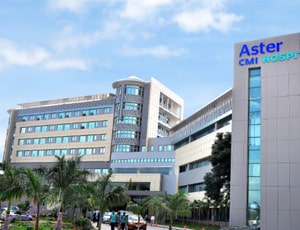
Aster CMI Hospital provides specialized Dual Chamber Pacemaker with a focus on precise device implantation, patient safety, and long-term cardiac rhythm management. Established in 2014, the JCI, NABH, NABL hospital is located in Bangalore, India, and operates 500 beds, equipped with modern healthcare infrastructure.
A Dual Chamber Pacemaker is designed to support patients with certain heart rhythm disorders by regulating slow heartbeats through controlled electrical stimulation. The system typically consists of a pulse generator and two leads connected to the right atrium and right ventricle. Before implantation, doctors evaluate the patient's symptoms, heart rhythm, and conduction system to determine the appropriate pacing strategy. After implantation, regular device checks and cardiology follow-up help monitor pacing performance and overall heart health.
MGM Healthcare is a trusted healthcare provider for Dual Chamber Pacemaker, offering advanced cardiac electrophysiology services supported by experienced specialists and modern medical infrastructure. Established in 2016, the NABH, NABL, JCI hospital is situated in Chennai, India and has 400 beds.
A Dual Chamber Pacemaker can help maintain an adequate heart rate in patients whose natural electrical conduction system does not reliably regulate the heartbeat. Unlike a single-chamber device, it uses leads in two heart chambers to coordinate atrial and ventricular activity when appropriate. Doctors generally perform ECGs, rhythm monitoring, and other assessments before implantation to determine whether pacemaker therapy is suitable. Follow-up appointments are important for checking the device and adjusting its settings when required.
Apollo Hospitals Bannerghatta offers advanced Dual Chamber Pacemaker Implantation using modern cardiac rhythm management techniques and internationally accepted treatment protocols. Established in 2007, the JCI hospital is located in Bangalore, India and has 350 beds, providing comprehensive care for local and international patients.
A Dual Chamber Pacemaker is a device used to treat certain slow or irregular heart rhythms by delivering electrical impulses to help maintain an appropriate heart rate. It has leads positioned in the right atrium and right ventricle, allowing the device to coordinate the timing of contractions between these chambers. Before implantation, doctors assess the heart rhythm through ECG, monitoring, and other cardiac tests. Regular follow-up helps monitor device function and heart rhythm.
Fortis Hospital provides specialized Dual Chamber Pacemaker with a focus on precise device implantation, patient safety, and long-term cardiac rhythm management. Established in 2001, the NABH, NABL, JCI hospital is located in Bangalore, India, and operates 375 beds, equipped with modern healthcare infrastructure.
A Dual Chamber Pacemaker is designed to support patients with certain heart rhythm disorders by regulating slow heartbeats through controlled electrical stimulation. The system typically consists of a pulse generator and two leads connected to the right atrium and right ventricle. Before implantation, doctors evaluate the patient's symptoms, heart rhythm, and conduction system to determine the appropriate pacing strategy. After implantation, regular device checks and cardiology follow-up help monitor pacing performance and overall heart health.
Faridabad, India
Choosing Sarvodaya Hospital and Research Centre for Dual Chamber Pacemaker gives patients access to experienced cardiologists, advanced electrophysiology technology, and comprehensive heart rhythm care. Established in 1997, the NABH, NABL hospital in Faridabad, India has 500 beds and provides specialised cardiac services.
Dual Chamber Pacemaker therapy may be considered for patients experiencing symptoms or complications associated with slow heart rhythms or abnormal electrical conduction. During implantation, the pacemaker generator is placed beneath the skin and connected to leads positioned in the right atrium and right ventricle. The device monitors the heart's rhythm and delivers pacing impulses when needed. Cardiac evaluation before implantation and regular follow-up after the procedure support safe and effective treatment.
Fortis Hospital is a trusted healthcare provider for Dual Chamber Pacemaker, offering advanced cardiac electrophysiology services supported by experienced specialists and modern medical infrastructure. Established in 2011, the NABH, NABL hospital is situated in Kolkata, India and has 400 beds.
A Dual Chamber Pacemaker can help maintain an adequate heart rate in patients whose natural electrical conduction system does not reliably regulate the heartbeat. Unlike a single-chamber device, it uses leads in two heart chambers to coordinate atrial and ventricular activity when appropriate. Doctors generally perform ECGs, rhythm monitoring, and other assessments before implantation to determine whether pacemaker therapy is suitable. Follow-up appointments are important for checking the device and adjusting its settings when required.
Choosing Batra Hospital for Dual Chamber Pacemaker gives patients access to experienced cardiologists, advanced electrophysiology technology, and comprehensive heart rhythm care. Established in 1987, the NABH hospital in Delhi, India has 495 beds and provides specialised cardiac services.
Dual Chamber Pacemaker therapy may be considered for patients experiencing symptoms or complications associated with slow heart rhythms or abnormal electrical conduction. During implantation, the pacemaker generator is placed beneath the skin and connected to leads positioned in the right atrium and right ventricle. The device monitors the heart's rhythm and delivers pacing impulses when needed. Cardiac evaluation before implantation and regular follow-up after the procedure support safe and effective treatment.
At Aster Medcity, Dual Chamber Pacemaker is performed using advanced pacemaker implantation techniques and personalized treatment plans based on the patient's cardiac condition. Established in 2013, this NABH, JCI hospital in Kochi, India has 670 beds and provides comprehensive cardiovascular care.
Dual Chamber Pacemaker Implantation may be recommended for patients with certain types of bradycardia, heart block, or other conduction disorders that cause the heart to beat too slowly. The device uses two leads to monitor and stimulate the right atrium and right ventricle when necessary. Before the procedure, specialists evaluate the patient's heart rhythm and overall cardiac health. Post-procedure monitoring and regular device checks help ensure appropriate pacing and performance.
Aakash Healthcare Super Speciality Hospital offers advanced Dual Chamber Pacemaker Implantation using modern cardiac rhythm management techniques and internationally accepted treatment protocols. Established in 2011, the NABH, ISO hospital is located in Delhi, India and has 230 beds, providing comprehensive care for local and international patients.
A Dual Chamber Pacemaker is a device used to treat certain slow or irregular heart rhythms by delivering electrical impulses to help maintain an appropriate heart rate. It has leads positioned in the right atrium and right ventricle, allowing the device to coordinate the timing of contractions between these chambers. Before implantation, doctors assess the heart rhythm through ECG, monitoring, and other cardiac tests. Regular follow-up helps monitor device function and heart rhythm.
Rajagiri Hospital offers advanced Dual Chamber Pacemaker Implantation using modern cardiac rhythm management techniques and internationally accepted treatment protocols. Established in 2014, the JCI hospital is located in Kochi, India and it has adequate bed capacity, providing comprehensive care for local and international patients.
A Dual Chamber Pacemaker is a device used to treat certain slow or irregular heart rhythms by delivering electrical impulses to help maintain an appropriate heart rate. It has leads positioned in the right atrium and right ventricle, allowing the device to coordinate the timing of contractions between these chambers. Before implantation, doctors assess the heart rhythm through ECG, monitoring, and other cardiac tests. Regular follow-up helps monitor device function and heart rhythm.
Fortis Hiranandani Hospital is a trusted healthcare provider for Dual Chamber Pacemaker, offering advanced cardiac electrophysiology services supported by experienced specialists and modern medical infrastructure. Established in 2007, the NABH hospital is situated in Mumbai, India and has 149 beds.
A Dual Chamber Pacemaker can help maintain an adequate heart rate in patients whose natural electrical conduction system does not reliably regulate the heartbeat. Unlike a single-chamber device, it uses leads in two heart chambers to coordinate atrial and ventricular activity when appropriate. Doctors generally perform ECGs, rhythm monitoring, and other assessments before implantation to determine whether pacemaker therapy is suitable. Follow-up appointments are important for checking the device and adjusting its settings when required.
Jaypee Hospital provides specialized Dual Chamber Pacemaker with a focus on precise device implantation, patient safety, and long-term cardiac rhythm management. Established in 2014, the NABH, JCI hospital is located in Noida, India, and operates 1200 beds, equipped with modern healthcare infrastructure.
A Dual Chamber Pacemaker is designed to support patients with certain heart rhythm disorders by regulating slow heartbeats through controlled electrical stimulation. The system typically consists of a pulse generator and two leads connected to the right atrium and right ventricle. Before implantation, doctors evaluate the patient's symptoms, heart rhythm, and conduction system to determine the appropriate pacing strategy. After implantation, regular device checks and cardiology follow-up help monitor pacing performance and overall heart health.

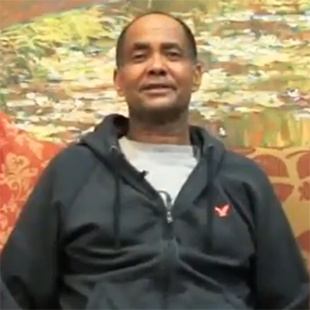
Mr. Hailu Kassa underwent Coronary Artery Bypass Surgery in Vejthani Hospital, Thailand under the supervision of Dr. Piya, Cardio-Thoracic Surgeon

Patient Testimonial: Rod Schaubroeck from United States (U.S.A) underwent heart valve replacement at Fortis Hospital, India