Browse verified doctors or let our care team help you find the doctor best suited to your condition, treatment goals, and budget.

Delhi, India
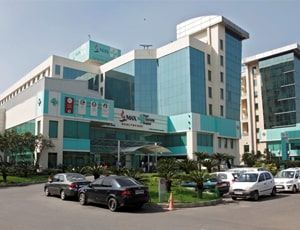
BLK-Max Super Speciality Hospital is a trusted healthcare provider for Balloon Angioplasty, offering minimally invasive vascular treatment supported by experienced interventional cardiologists, advanced catheterization laboratories, and multidisciplinary cardiac care. Established in 1959, the JCI, NABH- accredited hospital is situated in Delhi, India and has 650 beds.
Balloon Angioplasty works by mechanically expanding a narrowed artery to improve blood circulation to the heart or another affected area. In coronary angioplasty, the catheter is guided to the site of arterial narrowing under real-time imaging, and the balloon is inflated for a controlled period before being deflated and removed. Depending on the characteristics of the blockage, additional techniques or stent placement may be used to maintain adequate blood flow.
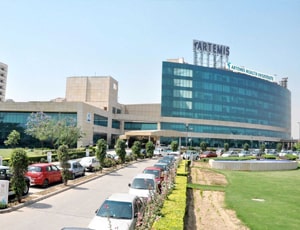
Artemis Health Institute is a trusted healthcare provider for Balloon Angioplasty, offering minimally invasive vascular treatment supported by experienced interventional cardiologists, advanced catheterization laboratories, and multidisciplinary cardiac care. Established in 2007, the JCI, NABH- accredited hospital is situated in Gurgaon, India and has 750 beds.
Balloon Angioplasty works by mechanically expanding a narrowed artery to improve blood circulation to the heart or another affected area. In coronary angioplasty, the catheter is guided to the site of arterial narrowing under real-time imaging, and the balloon is inflated for a controlled period before being deflated and removed. Depending on the characteristics of the blockage, additional techniques or stent placement may be used to maintain adequate blood flow.
Choosing Medanta - The Medicity for Balloon Angioplasty gives patients access to experienced interventional cardiologists, advanced angiography systems, modern catheterization laboratories, and structured post-procedure monitoring. Established in 2009, the JCI, NABH accredited hospital in Gurgaon, India has 1250 beds and provides specialized cardiovascular intervention services.
Balloon Angioplasty is generally performed under local anaesthesia with sedation when required. A catheter is advanced through the vascular system to the affected artery, where the balloon is inflated to improve the passage of blood. Patients are monitored afterward for bleeding at the catheter insertion site, changes in heart rhythm, chest discomfort, and other potential complications. Depending on the treated artery and clinical condition, patients may require antiplatelet medicines and follow-up cardiovascular care.
Choosing Gleneagles Hospital Mumbai for Balloon Angioplasty gives patients access to experienced interventional cardiologists, advanced angiography systems, modern catheterization laboratories, and structured post-procedure monitoring. Established in 1996, the JCI accredited hospital in Mumbai, India has 450 beds and provides specialized cardiovascular intervention services.
Balloon Angioplasty is generally performed under local anaesthesia with sedation when required. A catheter is advanced through the vascular system to the affected artery, where the balloon is inflated to improve the passage of blood. Patients are monitored afterward for bleeding at the catheter insertion site, changes in heart rhythm, chest discomfort, and other potential complications. Depending on the treated artery and clinical condition, patients may require antiplatelet medicines and follow-up cardiovascular care.
At Indraprastha Apollo Hospital, Balloon Angioplasty is performed using specialised catheter-based techniques and comprehensive pre-procedure cardiovascular assessment. Established in 1996, this JCI accredited hospital in Delhi, India has 710 beds and offers advanced interventional cardiology services.
Balloon Angioplasty may be considered for patients with significant arterial narrowing that restricts blood flow and causes symptoms such as chest discomfort or reduced exercise tolerance. During the procedure, a catheter is introduced through a blood vessel, commonly in the wrist or groin, and guided toward the affected artery. The balloon is positioned across the narrowing and inflated to restore vessel diameter. Coronary angiography and other cardiovascular assessments help identify the location and severity of the blockage before treatment.
At Apollo Hospitals, Balloon Angioplasty is performed using specialised catheter-based techniques and comprehensive pre-procedure cardiovascular assessment. Established in 1988, this JCI accredited hospital in Hyderabad, India has 550 beds and offers advanced interventional cardiology services.
Balloon Angioplasty may be considered for patients with significant arterial narrowing that restricts blood flow and causes symptoms such as chest discomfort or reduced exercise tolerance. During the procedure, a catheter is introduced through a blood vessel, commonly in the wrist or groin, and guided toward the affected artery. The balloon is positioned across the narrowing and inflated to restore vessel diameter. Coronary angiography and other cardiovascular assessments help identify the location and severity of the blockage before treatment.
Star Hospitals is a trusted healthcare provider for Balloon Angioplasty, offering minimally invasive vascular treatment supported by experienced interventional cardiologists, advanced catheterization laboratories, and multidisciplinary cardiac care. Established in 2008, the NABH, NABL- accredited hospital is situated in Hyderabad, India and has 435 beds.
Balloon Angioplasty works by mechanically expanding a narrowed artery to improve blood circulation to the heart or another affected area. In coronary angioplasty, the catheter is guided to the site of arterial narrowing under real-time imaging, and the balloon is inflated for a controlled period before being deflated and removed. Depending on the characteristics of the blockage, additional techniques or stent placement may be used to maintain adequate blood flow.
Choosing Sterling Wockhardt Hospital for Balloon Angioplasty gives patients access to experienced interventional cardiologists, advanced angiography systems, modern catheterization laboratories, and structured post-procedure monitoring. Established in 2001, the NABL accredited hospital in Mumbai, India has 225 beds and provides specialized cardiovascular intervention services.
Balloon Angioplasty is generally performed under local anaesthesia with sedation when required. A catheter is advanced through the vascular system to the affected artery, where the balloon is inflated to improve the passage of blood. Patients are monitored afterward for bleeding at the catheter insertion site, changes in heart rhythm, chest discomfort, and other potential complications. Depending on the treated artery and clinical condition, patients may require antiplatelet medicines and follow-up cardiovascular care.
Delhi, India
Max Super Speciality Hospital, Patparganj is a trusted healthcare provider for Balloon Angioplasty, offering minimally invasive vascular treatment supported by experienced interventional cardiologists, advanced catheterization laboratories, and multidisciplinary cardiac care. Established in 2005, the NABH, NABL, AACI- accredited hospital is situated in Delhi, India and has 400 beds.
Balloon Angioplasty works by mechanically expanding a narrowed artery to improve blood circulation to the heart or another affected area. In coronary angioplasty, the catheter is guided to the site of arterial narrowing under real-time imaging, and the balloon is inflated for a controlled period before being deflated and removed. Depending on the characteristics of the blockage, additional techniques or stent placement may be used to maintain adequate blood flow.
Venkateshwar Hospital provides specialised Balloon Angioplasty with a focus on precise vascular treatment, advanced catheter-based technology, and individualised cardiovascular care. Established in 2016, the NABL, NABH accredited hospital is located in Delhi, India and operates 325 beds, with modern interventional cardiology and critical-care infrastructure.
Balloon Angioplasty can improve blood flow through arteries narrowed by atherosclerotic plaque or other forms of vascular obstruction. Treatment planning considers the location, length, severity, and characteristics of the arterial narrowing, as well as the patient's overall cardiovascular health. A detailed assessment using angiography and other appropriate investigations helps the interventional cardiology team determine whether balloon angioplasty alone or angioplasty combined with stent placement or another intervention is most suitable.
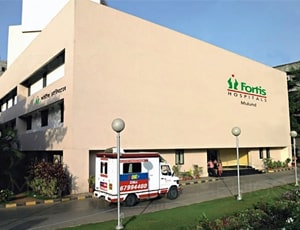
Fortis Hospital, Mulund is a trusted healthcare provider for Balloon Angioplasty, offering minimally invasive vascular treatment supported by experienced interventional cardiologists, advanced catheterization laboratories, and multidisciplinary cardiac care. Established in 2002, the JCI, NABH- accredited hospital is situated in Mumbai, India and has 315 beds.
Balloon Angioplasty works by mechanically expanding a narrowed artery to improve blood circulation to the heart or another affected area. In coronary angioplasty, the catheter is guided to the site of arterial narrowing under real-time imaging, and the balloon is inflated for a controlled period before being deflated and removed. Depending on the characteristics of the blockage, additional techniques or stent placement may be used to maintain adequate blood flow.
Max Super Speciality Hospital, Saket provides specialised Balloon Angioplasty with a focus on precise vascular treatment, advanced catheter-based technology, and individualised cardiovascular care. Established in 2006, the JCI, NABH accredited hospital is located in Delhi, India and operates 539 beds, with modern interventional cardiology and critical-care infrastructure.
Balloon Angioplasty can improve blood flow through arteries narrowed by atherosclerotic plaque or other forms of vascular obstruction. Treatment planning considers the location, length, severity, and characteristics of the arterial narrowing, as well as the patient's overall cardiovascular health. A detailed assessment using angiography and other appropriate investigations helps the interventional cardiology team determine whether balloon angioplasty alone or angioplasty combined with stent placement or another intervention is most suitable.
Gurgaon, India
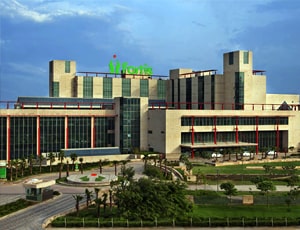
Fortis Memorial Research Institute offers advanced Balloon Angioplasty using modern interventional cardiology techniques and individualized cardiovascular care plans. Established in 2013, the JCI, NABH, NABL accredited hospital is located in Gurgaon, India and has 311 beds, providing comprehensive cardiac care for local and international patients.
Balloon Angioplasty is a minimally invasive procedure used to widen narrowed or blocked blood vessels, most commonly the coronary arteries. During the procedure, a thin catheter with a small balloon at its tip is guided to the narrowed section of the artery. The balloon is then inflated to compress the obstructing plaque and improve blood flow. A coronary stent may also be placed when clinically indicated to help keep the artery open.
Choosing VPS Rockland Hospital for Balloon Angioplasty gives patients access to experienced interventional cardiologists, advanced angiography systems, modern catheterization laboratories, and structured post-procedure monitoring. Established in 2013, the NABH, NABL accredited hospital in Gurgaon, India has 345 beds and provides specialized cardiovascular intervention services.
Balloon Angioplasty is generally performed under local anaesthesia with sedation when required. A catheter is advanced through the vascular system to the affected artery, where the balloon is inflated to improve the passage of blood. Patients are monitored afterward for bleeding at the catheter insertion site, changes in heart rhythm, chest discomfort, and other potential complications. Depending on the treated artery and clinical condition, patients may require antiplatelet medicines and follow-up cardiovascular care.
Asian Institute of Medical Sciences provides specialised Balloon Angioplasty with a focus on precise vascular treatment, advanced catheter-based technology, and individualised cardiovascular care. Established in 2010, the NABL, NABH accredited hospital is located in Faridabad, India and operates 425 beds, with modern interventional cardiology and critical-care infrastructure.
Balloon Angioplasty can improve blood flow through arteries narrowed by atherosclerotic plaque or other forms of vascular obstruction. Treatment planning considers the location, length, severity, and characteristics of the arterial narrowing, as well as the patient's overall cardiovascular health. A detailed assessment using angiography and other appropriate investigations helps the interventional cardiology team determine whether balloon angioplasty alone or angioplasty combined with stent placement or another intervention is most suitable.

Baby Jason Dibye Dalle from Cameroon, aged 4, suffered from aortic stenosis since birth. Additionally, he had a neurological disorder called Pelizaeus-Merzbacher Disease, which is…
Balloon angioplasty is a minimally invasive procedure used to open narrowed or blocked blood vessels. During the procedure, a skilled interventional radiologist inserts a small, deflated balloon through a catheter. This is placed at the site of the blockage. The balloon is then inflated with the aim of pushing blockages (the plaque) in the artery against the artery walls. This procedure helps widen the vessel to restore normal blood flow.
Balloon angioplasty is commonly used to treat conditions such as coronary artery disease (CAD), peripheral artery disease (PAD), and renal artery stenosis, among others. It is particularly effective in improving blood flow to the heart, legs, and kidneys.
After a balloon angioplasty, patients usually stay in the hospital for a short observation period and are generally discharged the same day. Recovery is relatively quick, with minimal discomfort at the insertion site. It may take just a day or two. Patients are advised to take it easy for a few days. Medications are prescribed to prevent blood clots and manage any post-procedure symptoms. Your healthcare team might also suggest lifestyle modifications, such as adopting a heart-healthy diet and exercising.
Yes, the hospitals in India performing balloon angioplasty surgeries have the best medical facilities and equipment, like Cath Labs with 3D, IVUS and OCT for minimally invasive procedures. They treat blockages with modern equipment such as drug-eluding balloons and high-pressure balloons and use drug-eluding stents to avoid restenosis. These are hospitals mainly manned by experienced cardiologists and employ the least invasive procedures, hence fast recovery with minimal complications.
The hospitals in India offer great balloon angioplasty and should be staffed with professional interventional cardiologists and the best medical equipment. A high success rate and mastery of the procedure are mandatory for a patient's best result. The following points should be considered: accreditation from NABH or JCI, proper post-operative care for patients, and a patient-oriented approach. Hospitals should also ensure adequate communication, patient-tailored service delivery, and post-treatment services.
The success rate of balloon angioplasty has been closely approximated to be somewhere between 95% to 98%, with variation considering the state of the patient's health, the expertise of the team involved, the facilities at the hospital, and the difficulty of copers of the procedure. It is widely believed to be a safe and effective intervention for coronary artery blockage, especially in well-endowed health facilities staffed with expert cardiologists.
You can find top Balloon Angioplasty hospitals on the MediGence list of verified and accredited healthcare facilities in India. Here, you can also get all the information about every cardiologist, including experience, success rate, and patient feedback. This would ensure patients are connected to the right cardiologist and, hence, a proper and informed patient journey.
A few of the best hospitals for Balloon Angioplasty in India are as follows:
The cost of Balloon Angioplasty in India typically ranges from (USD 1800 - 3800), depending on the hospital, location, and the complexity of the procedure.
Balloon Angioplasty in India includes complete treatment solutions for overseas visitors. Numerous healthcare organisations nationwide are conversant with medical tourism and have individual services to cater to international clients. These services often include:
Like most other surgeries, some risks come with the balloon angioplasty process even though it is a safe operation and if it is carried out in the right hospitals by qualified individuals such as cardiologists in India. Some of the potential risks associated with balloon angioplasty include:
Recovery after the exercise of balloon angioplasty in India is usually fast. Most patients are in hospital for 24 to 48 hours, light activities being feasible within 72 hours. Discomforts typically resolve entirely within 3 days to 2 weeks and, regular activity within 1 to 2 weeks, higher-level exercise after 1 to 3 months. Generally, patient follow-up is needed to evaluate progress; high-risk dietary changes and physical activity recommendations should be followed long-term to maintain hot heart health. Lastly, the mentioned procedure has an insignificant recovery period, and patients may start feeling better shortly after surgery.
To learn about Balloon Angioplasty with a cardiologist before flying to India, you can choose a teleconsultation on the Medigence site. Just give a callback to a specialist, and you can comfortably explain your diagnosis, the available treatments and the particular surgery in the comfort of your home.
The recovery process after Balloon Angioplasty in India includes continued stay in the hospital and receiving medications and changes in the patients’ lifestyles to suit the new situation. Here's what you can generally expect:
India is a popular choice for Balloon Angioplasty because of several factors:
First, the patient must complete a form with his or her contact information on our website. After that, MediGence will contact you to help plan a Balloon Angioplasty appointment in India. We will find you the best hospital, help you arrange a consultation with the best doctor, and give you all the necessary assistance from the moment of registration to receiving the essential document, as well as help you choose and organise your treatment.
Patients seeking consultation for balloon angioplasty during a hospital visit can be subjected to several processes to facilitate a safe and efficient procedure. Here's an outline of what typically happens before, during, and after the procedure:
Yes, there are other options to balloon angioplasty in India For people suffering from coronary artery disease or blockage in the arteries of the heart. The decision to treat a condition depends on the extent of the condition and the general health of the patient. Here are some common alternatives:
When approaching Balloon AngioplastyIndia, specific key steps are followed to avoid problems. Here’s what you can expect: