Spinal disc herniation Treatment in India
- Top Accredited Hospitals
- Global Medical Standards
- Cutting-Edge Technology
- Proven Treatment Options
- High Success Rate
- Trusted by Millions

What is Spinal disc herniation?
When one of the disks in the spine (backbone) ruptures or leaks as a result of normal wear and tear or trauma, the patient will have a herniated disk. This causes pain, numbness, and weakness by irritating your spinal nerves and applying pressure on your spinal cord.
What is the Importance of Timely Treatment?
One's quality of life can be greatly impacted by a common and frequently painful ailment called a herniated disc. In order to discover comfort, stop additional harm, and preserve general wellbeing, it is imperative that this ailment be treated as soon as possible.
What are the Common Symptoms of Spinal disc herniation?
Sciatica is caused by a herniated disk in the lower back. Usually, this piercing agony travels down one side of your buttocks, into your leg, and occasionally into your foot. The following are further signs of a slipped disk in your lower back:
- Soreness in the lower back
- Numbness or tingling in your feet or legs
- Weakening of the muscles
A bulging disk in your neck might cause the following symptoms:
- Neck ache, particularly on the sides and in the back
- Your arms may feel tingly or numb
- Discomfort between or close to your shoulder blades
- Discomfort that radiates to your arm, shoulder, and occasionally your hand and fingers
- Discomfort that gets worse as you bend or turn your neck.
Causes and Risk Factors of Spinal disc herniation
Causes
Like a jelly doughnut, each disk in your spine has a harder outer layer and a soft, gel-like interior. The outer layer deteriorates and may break over time. When the inner "jelly" material pushes through the crack and presses against your spinal cord, you get a herniated disk. The symptoms of a herniated disk could be brought on by the leaking material pressing against adjacent spinal nerves.
A disk rupture can be caused by a number of things. Causes of herniated disks include:
- Growing older
- Injuries caused by trauma, such as falls
- Making frequent twisting or bending movements
- Lifting big goods improperly
Risk Factors
A herniated disk is most common in people between the ages of 30 and 50. Men are twice as likely as women to be affected by the issue. The illness also has a tendency to run in families. Additional risk factors consist of:
- Smoking
- Sitting still for extended periods of time
- Being obese or overweight
- Having diabetes
- Having a disease of the connective tissue
Connect with our advisor for a PRIORITY response
Spinal disc herniation Prevention Tips
Sometimes there is no way to stop a bulging disk. However, you can lower your risk by:
- Employing safe lifting methods. Avoid stooping at the waist. Maintain a straight back while bending your knees. To assist in supporting the weight, use your powerful leg muscles
- Keeping you at a healthy weight. Your lower back is strained when you carry too much weight
- Maintaining proper posture. Learn how to stand, sit, walk, and sleep with better posture. Maintaining proper posture eases the strain on your spine
- Stretching breaks are especially crucial if you spend a lot of time sitting down
- Avoiding shoes with high heels. Your spine is thrown out of alignment when you wear these shoes
- Engaging in regular exercise. To maintain your spine, concentrate on exercises that build muscle in your abdominal and back
- Quitting smoking. Disks can become weaker and more prone to rupture as a result of smoking. Think about giving up smoking.
Treatment options for Spinal disc herniation
Microdiscectomy: Typically performed for a herniated disc, a microdiscectomy, also called a microdecompression, relieves the pressure on a spinal nerve root by removing the material causing the pain. During the surgery, a small part of the disc material and/or bone impinging the nerve root is taken out. The procedure may also be performed in the cervical spine (neck) to treat herniated discs in the neck and is called posterior cervical decompression.
Cost Start From USD 4500 - USD 6000Explore Options
Spinal Fusion Surgery: Connecting two or more bones in any area of the spine is known as spinal fusion surgery. By joining the bones, we can stop them from moving. Pain can be avoided in part by limiting movement. A surgeon inserts bone or a substance that resembles bone between two spinal bones during spinal fusion. The bones may be held together by rods, screws, or metal plates. After that, the bones may unite and heal as a single unit.
Cost Start From USD 6500 - USD 9500Explore Options
Laminectomy: A laminectomy is a surgical treatment that removes the arched back portion of your vertebrae to relieve pressure on your nerves. Your back, arms, and legs may experience pain, numbness, or tingling if your spinal cord and nerves are under pressure. One way to lessen or alleviate these symptoms could be with a laminectomy.
Cost Start From USD 3000 - USD 5000Explore Options
The medical professional will perform a comprehensive physical examination. The doctor will evaluate the patient's discomfort, muscle strength, reflexes, and sensitivity during the examination. A straight leg lift test might be one of their options. The doctor will ask you to lie on your back during this test. They will then lift the patient's leg straight up into the air. The patient most likely has a ruptured disk if he feels any discomfort down his leg.
Additionally, your clinician could conduct a neurological examination. Additionally, they could request imaging tests such as:
- MRI
- X-rays
- CT scan
- Myelogram
- EMG (electromyogram)
- Study of nerve conduction.
MediRehab (chain of Rehab center - part of MediGence provides comprehensive rehabilitation services designed to support arthritis patients in <India>. These services include:
- Nutritional Counseling: Diet plans to reduce weight and maintain a healthy weight.
- Personalized Therapy Plans: Individually tailored treatments for pain management and enhanced mobility.
- Rehabilitation post surgery: physiotherapy sessions focused on movement, function and strength.
- Nutrition Guidance: Customized dietary plan for reducing pain, numbness and maintaining a healthy weight for overall recovery.
- Non-prescription medications for pain. Your healthcare provider may suggest over-the-counter pain medication if your pain is mild to moderate.
- Neuropathic medications. These medications reduce pain by altering nerve signals.
- Muscle relaxers. If you experience muscle spasms, you may be prescribed these. Dizziness and sedation are frequent adverse effects
- Opioids. Many medical practitioners are hesitant to prescribe opioids for disk herniation because of their negative effects and risk for addiction
- Shots of cortisone. Your doctor may suggest a corticosteroid injection if oral medications are ineffective for your pain.
Instantly Connect with our Specialists


Hospitals for Spinal disc herniation in India
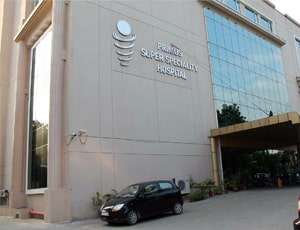
Primus Super Speciality Hospital
Delhi, India
Primus Super Speciality Hospital located in New Delhi, India is accredited by NABH. Also listed below are some of the most prominent infrastructural details:
- There are as many as 130 hospital beds.
- The total number of hospital beds is inclusive of the 18 ICU Beds in Primus Hospital.
- Operation theatres in the hospital have been equipped with the latest technologies.
- There is 24/7 hour emergency and trauma response and care.
- 64 slice spirals as well as Cardiac CT Scan are present.
- International patient care facilities are available such as accommodation, flight booking, airport transfer, and interpreters.

Medanta - The Medicity
Gurgaon, India
Medanta – The Medicity, Gurugram, founded by renowned cardiac surgeon Dr. Naresh Trehan, is a leading multi-super speciality hospital offering advanced yet affordable healthcare. Spread across a 43-acre campus, it houses 1,391 beds, 270 ICU beds, 40 operation theatres, and 900+ doctors across 30+ specialities. Accredited by JCI, NABH, and NABL, Medanta is designed per American Institute of Architects’ healthcare guidelines. Recognised as the Best Private Hospital in India (2020–2025) and among the World’s Top 250 Hospitals (Newsweek 2024), it excels in Cardiac Care, Cancer, Neurosciences, Gastro, Orthopaedics, and Renal Care, ensuring world-class, collaborative, and compassionate treatment.
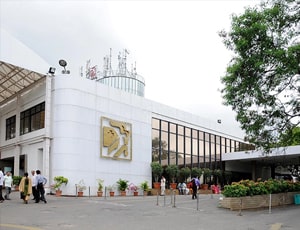
Apollo Hospitals
Hyderabad, India
Apollo Hospitals located in Hyderabad, India is accredited by JCI, NABH. Also listed below are some of the most prominent infrastructural details:
- A premier multi-specialty hospital with 477-bed capacity
- More than 50 specialties, super-specialties
- 12 Centers of Excellence
- The Institutes for Heart Diseases, Neurosciences, Cancer, Emergency, Orthopaedics, Renal Diseases, and Transplants
- Centers of Excellence are known for patient care, training and research
- Doctors with years of truly global experience in healthcare delivery
Our Services to better your experience
Opinion & Option
We submit the most accurate opinion and options from one or more countries for your review
Consult Privately
Consult with a certified specialist privately on our telemedicine platform even before you decide to travel
Logistics
We handle flights, visas, transfers, and accommodation—so you can focus on your health.
Recovery
Our In-house rehabilitation service packages to better your recovery and treatment outcome
Why Choose India for Spinal disk herniation?
Here are some of the reasons for choosing India:
- Due to advancements in medical facilities, such as minimally invasive surgical techniques; microdiscectomy, laminectomy and spinal fusion surgery.
- World-class experts include highly experienced doctors, JCI, and NABH-accredited healthcare institutions.
- Compared to other countries, treatment in Indian hospitals is cost-effective.
- Indian hospitals provide international patient services, including a multilingual support system.
- Improved treatment methods and biological therapies.
Frequently Asked Questions
It is possible to treat spinal disc herniation. Conservative measures such as rest, pain medication, physical therapy, and activity modifications can help most people with a herniated disc. Surgery is only considered in extreme cases where non-surgical options are ineffective.
The nation's healthcare institutions offer top-notch treatment alternatives, guaranteeing successful outcomes for many patients. According to a comprehensive medical study, 84–90% of patients undergoing microdiscectomy had acceptable or outstanding outcomes. For lumbar herniated discs, a less invasive treatment called a microdiscectomy is frequently advised.
Yes, many Indian hospitals offer the following for Spinal disc herniation treatment:
- Advanced diagnostic tools like MRI, CT scan, electromyography, and PET scan for accurate location of spinal disc herniation
- Skilled neurologist and orthopaedist performing microdiscectomy, laminectomy and spinal fusion surgery treatment for Spinal disc herniation treatment.
- Comprehensive post-surgery care and rehabilitation for long-term health benefit
Always consider the following factors when selecting Indian hospitals:
- Hospitals that are accredited (authorised by JCI and NABH).
- Patient reviews and success rates.
- Hospitals that provide seamless care to patients from abroad.
Look for symptoms such as numbness or tingling in the leg or foot, pain radiating down one leg, muscle weakness in the leg, and complaints of pain that gets worse with certain movements to see if your child has a spinal disc herniation. If you suspect a spinal disc herniation, it's important to see a doctor for a proper diagnosis through physical examination and imaging tests like an MR scan.
Chronic back discomfort is one of the consequences of a herniated disc. Furthermore, even though they are uncommon, untreated disc herniation cases can cause significant nerve root compression and long-lasting nerve damage.
In order to provide the best care for a child with Spinal disc herniation, you should prioritize routine checkups with a specialized team, manage pain effectively, and create a supportive environment. You can use heat or cold packs to relieve a child's pain and swelling. Staying in bed can cause stiff joints and weak muscles, which might hinder his recovery.

Reviewer
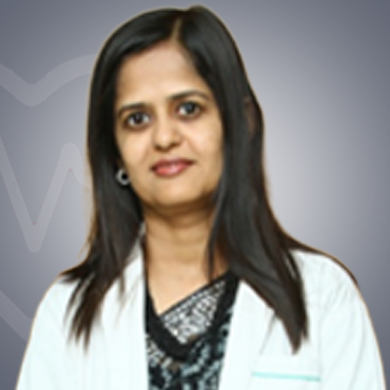
Dr Sonal Gupta
Neurosurgeon
29 Years of Experience
Dr. Sonal Gupta has an experienced neurosurgeon with more than 29+ years of clinical expertise. She is currently the Director, Neuro & Spine Surgery at Fortis Hospital, Shalimar Bagh. Before joining Fortis, she has been associated with various organizations such as Maharaja Agrasen Hospital, Action Balaji Hospital, and Max Hospital. View More
Last Reviewed - January 2026