Hepatocellular Carcinoma (HCC) Treatment in India
- Top Accredited Hospitals
- Global Medical Standards
- Cutting-Edge Technology
- Proven Treatment Options
- High Success Rate
- Trusted by Millions

What is Hepatocellular Carcinoma (HCC)?
Hepatocellular carcinoma is the most common type of liver cancer. It is an aggressive (fast-growing) cancer that most commonly affects persons with severe liver disease, such as cirrhosis. People with HCC are increasingly being diagnosed with metabolic dysfunction-associated steatotic liver disease (MASLD), which can develop to cirrhosis.
What is the Importance of Timely Treatment?
Early treatment of Hepatocellular Carcinoma (HCC) is essential for improving patient outcomes and survival rates. Early discovery enables more effective treatment choices, such as surgical resection, liver transplantation, or local therapy (e.g., ablation or embolisation), which may cure the cancer or considerably postpone its progression. Delaying treatment can cause tumour growth, spread (metastasis), and poor liver function, making cancer more difficult to cure and decreasing the likelihood of a favourable outcome. Early intervention also enhances quality of life by enabling more effective symptom management.
What are the Common Symptoms of Hepatocellular Carcinoma (HCC)?
Tumours may not present symptoms in their early stages. However, as HCC proceeds, you may notice:
- Fullness or a knot under your right ribs (symptoms of an enlarged liver).
- Fullness under your ribs on the left side (symptoms of an expanded spleen).
- Yellowing of the eyes and skin (an indication of jaundice).
- A distended stomach, as if it is overflowing with fluid.
- Appetite loss or feeling full after eating a little meal.
- Unexplained weight loss.
- Nausea and vomiting.
- Itching.
Causes and Risk Factors of Hepatocellular Carcinoma (HCC)
Causes
- Hepatocellular carcinoma occurs when liver cells' DNA undergoes modifications (mutations).
- A cell's DNA contains the instructions for every chemical process in your body. DNA mutations alter these instructions.
- As a result, cells may grow out of control, eventually becoming a tumour—a mass of malignant cells.
Risk Factors
The following conditions enhance your risk of developing HCC:
- Hepatitis B infection: Hepatitis B infection can cause HCC even in the absence of liver cirrhosis or before it develops.
- Hepatitis C Infection: A viral infection that spreads through blood.
- Metabolic dysfunction-associated steatotic liver disease (MASLD): It is a disorder that causes excessive fat to accumulate in the liver.
- Alcohol use disorder: The liver has a tough time processing alcohol. Drinking too much of it can cause cirrhosis and liver cancer.
Connect with our advisor for a PRIORITY response
Latest Research and Technologies in the Treatment of Hepatocellular Carcinoma (HCC) in India
- Recent advances in Hepatocellular Carcinoma (HCC) treatment in India include targeted therapies and immunotherapy. Furthermore, radiofrequency ablation (RFA), transarterial chemoembolisation (TACE), and liver transplantation are becoming more common, with ongoing clinical trials investigating gene therapy and combination medicines to improve treatment outcomes.
Hepatocellular Carcinoma (HCC) Prevention Tips
There are various ways to lower your chance of having HCC. You can do:
- Lower your risk of cirrhosis.
- To lower your risk of developing cirrhosis, avoid drinking alcohol.
- Maintain a healthy weight.
- Vaccinate against hepatitis B.
- You can lower your risk of contracting hepatitis B by getting the vaccine.
- Take steps to prevent hepatitis C.
- Do not use intravenous drugs,
- When getting a piercing or tattoo, look for safe and clean shops.
- Seek treatment for hepatitis B or C infections.
Treatment options for Hepatocellular Carcinoma (HCC)
Treatments include:
Surgery: The surgical treatments for HCC are hepatectomy (removal of the diseased section of the liver) or liver transplantation.
Cost Start From USD 25000 - USD 35000Explore Options
Ablation therapy: This involves the use of a specialised needle to burn malignancies. The needle can direct highly hot energy (microwaves or radiofrequency waves) or extremely cold.
Embolisation: It is the process of implanting a material directly into the arteries that supply the tumour, blocking blood flow.
Radiation therapy: Providers may recommend radiation therapy to treat tiny cancers that cannot be removed surgically or destroyed through ablation.
Immunotherapy: Immunotherapy drugs are also used to treat advanced HCC. They help your immune system recognise and combat cancer cells.
Cost Start From USD 3000 - USD 5000Explore Options
Targeted therapy: These medications treat advanced HCC. This medication inhibits the signal that tells cancer cells to continue growing.
Cost Start From USD 8000 - USD 12000Explore Options
The following tests can assist in confirming a diagnosis:
- Blood tests: Your provider may check your blood for indicators of HCC, such as elevated alpha-fetoprotein (AFP) levels. Elevated AFP levels may indicate HCC or a disease that can develop into HCC, such as hepatitis infection or liver cirrhosis.
- Imaging scans: Imaging treatments such as an ultrasound, computed tomography (CT) scan, magnetic resonance imaging (MRI), or angiography can detect cancers (or indicators of a tumour) within your liver.
- Liver biopsy: Your doctor may do a liver biopsy to look for cancer cells. If your bloodwork and imaging scans do not provide enough information to make a diagnosis, you may need this test.
Rehabilitation treatments for Hepatocellular Carcinoma (HCC) are aimed at increasing quality of life, accelerating physical recovery, and minimising therapeutic side effects. Here are the main rehabilitation alternatives for HCC patients:
Physical Rehabilitation: After liver surgery or transplant, patients may receive physical therapy to restore strength, increase flexibility, and minimise fatigue. A personalised workout regimen might help you improve your overall fitness and stamina.
Mobility assistance: Patients with limited movement due to treatment side effects may benefit from exercises to enhance balance and coordination.
Psychosocial support: Therapy or joining a support group can help cancer patients deal with the emotional and mental challenges of their treatment.
MediGence can assist and guide you in selecting the best physician and medical facility for your care.
Depending on the circumstances, your doctor may prescribe medication to assist you in managing your symptoms and support your treatment plan.
Treatment regimens are adapted to the patient's specific cancer stage and location.
Instantly Connect with our Specialists


Hospitals for Hepatocellular Carcinoma (HCC) in India
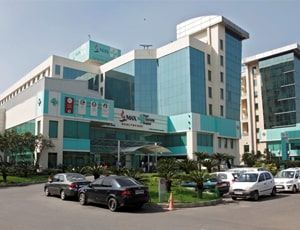
Max Super Speciality Hospital, Saket
Delhi, India
Max Smart Super Speciality Hospital, Saket, is a 250-bed tertiary care hospital awarded NABH accreditation, which provides advanced medical care in various specialities such as Cardiac Sciences, Orthopaedics, Neurology, Urology, Kidney Transplant, Paediatrics, and Obstetrics & Gynaecology. The hospital provides quality, safe, integrated, and patient-centric medical care using modular OTs, ICUs, Cath Labs, CT, MRI and Dialysis units.

Manipal Hospital, Hebbal
Bangalore, India
Manipal Hospitals, a group of Manipal Education Medical Group, is India’s leading multi-speciality network, comprising over 650 beds. Dedicated to clinical excellence, patient-centric care and ethical practices, it provides sophisticated diagnostics, surgery and home care services to both domestic and international patients, while also improving access to affordable healthcare for underprivileged communities.

American Oncology Institute
Hyderabad, India
American Oncology Institute located in Hyderabad, India is accredited by AAAHC. Also listed below are some of the most prominent infrastructural details:
- Equipped with the most advanced technology
- TruebeamStx + Calypso combination used for precise radiation therapy
- Backed by advanced equipment like 4D PET CT Imaging, Luminous Acupulse DUO laser, Rapid Arc, MRI, Brachytherapy, Digital Mammography
- Radiation oncology techniques- Intensity Modulated Radiation Therapy, Rapid Arc, Image-Guided Radiation Therapy,
- Stereotactic Radiosurgery, Stereotactic Body Radiation Therapy
- All types of patient accommodation available which provide a comfortable stay to the patients & relatives.
- Fully equipped ICUs with the latest monitoring & therapeutic facilities for critically ill patients
- In house 24/7 blood bank for medical oncology service
- Well-designed patient rooms, therapy rooms OTs, consultation chambers, ICUs, walkways, lounges, parking
- Digital Breast Tomosynthesis is the breast imaging digital technology with 3D imaging
- Dedicated leukemia wing caters to the needs of the patients who are at a high risk of developing an infection
- State-of-the art PET CT, GE Discovery IQ 3 Ring16 PET with LightBurst technology
- Individual cabins for patients needing chemotherapy
- Friendly facility for differently-abled
- Exclusive outpatient consulting section
- Airport pick-up & drop
- Accommodation
- Currency exchange
- The estimated cost of treatment
- Language interpreters
- Payment
- Medical opinion
- Additional services
- Relationship manager
- Meals
- 24/7 Personal nurses*
- Visa assistance
Our Services to better your experience
Opinion & Option
We submit the most accurate opinion and options from one or more countries for your review
Consult Privately
Consult with a certified specialist privately on our telemedicine platform even before you decide to travel
Logistics
We handle flights, visas, transfers, and accommodation—so you can focus on your health.
Recovery
Our In-house rehabilitation service packages to better your recovery and treatment outcome
Why Choose India for Hepatocellular Carcinoma (HCC) Treatment?
Here are some of the reasons for choosing India:
- Due to advancements in medical facilities, such as minimally invasive surgical techniques.
- World-class experts include highly experienced doctors, JCI, and NABH-accredited healthcare institutions.
- Compared to other countries, treatment in Indian hospitals is cost-effective.
- Indian hospitals provide International patient services, including a multilingual support system.
- Improved treatment methods and biological therapies
Frequently Asked Questions
Yes, liver transplantation is a possibility for patients with early-stage HCC, mainly if the tumour is localised to the liver and the patient has cirrhosis. India has several transplant centres that provide this procedure.
Early diagnosis and treatment increase the chance of survival. Surgical resection or liver transplantation can provide a cure in the early stages, while modern therapies such as targeted medicines and immunotherapy can enhance quality of life and increase survival.
Survival rates vary depending on the stage of diagnosis. Early-stage HCC treated with surgery or liver transplantation has a much greater survival rate; however, advanced cases may have a poorer survival rate despite treatment. Early diagnosis and treatment significantly enhance outcomes.
Yes, lifestyle changes include:
- Consuming a nutritious diet rich in fruits and vegetables.
- Exercise regularly to maintain a healthy weight.
- Avoid alcohol and smoking.
- Managing chronic liver illnesses such as hepatitis or fatty liver can help avoid or better manage HCC.
HCC is one of the most common malignancies in India, particularly in areas with a high prevalence of hepatitis B and C infections. However, its prevalence is on the rise as non-alcoholic fatty liver disease (NAFLD) and alcohol-related liver damage become more common.
Many patients can retain a high quality of life thanks to improved treatments such as surgery, liver transplants, and tailored medications. However, the disease's impact varies depending on the stage of cancer and the available treatment options.

Reviewer

Dr. Mohit Agarwal
Medical Oncologist
14 Years of Experience
One of the finest Oncologist in New Delhi, India, Dr. Mohit Agarwal has worked with several world class multidisciplinary hospitals over the years. Dr. Mohit Agarwal has over 14+ years of experience in his field. The doctor treats and manages a wide range of conditions such as Stomach Cancer, Rectal Cancer, Breast Cancer, Brain Cancer View More
Last Reviewed - January 2026