Hepatocellular Carcinoma (HCC) Treatment in India
- Top Accredited Hospitals
- Global Medical Standards
- Cutting-Edge Technology
- Proven Treatment Options
- High Success Rate
- Trusted by Millions

What is Hepatocellular Carcinoma (HCC)?
Hepatocellular carcinoma is the most common type of liver cancer. It is an aggressive (fast-growing) cancer that most commonly affects persons with severe liver disease, such as cirrhosis. People with HCC are increasingly being diagnosed with metabolic dysfunction-associated steatotic liver disease (MASLD), which can develop to cirrhosis.
What is the Importance of Timely Treatment?
Early treatment of Hepatocellular Carcinoma (HCC) is essential for improving patient outcomes and survival rates. Early discovery enables more effective treatment choices, such as surgical resection, liver transplantation, or local therapy (e.g., ablation or embolisation), which may cure the cancer or considerably postpone its progression. Delaying treatment can cause tumour growth, spread (metastasis), and poor liver function, making cancer more difficult to cure and decreasing the likelihood of a favourable outcome. Early intervention also enhances quality of life by enabling more effective symptom management.
What are the Common Symptoms of Hepatocellular Carcinoma (HCC)?
Tumours may not present symptoms in their early stages. However, as HCC proceeds, you may notice:
- Fullness or a knot under your right ribs (symptoms of an enlarged liver).
- Fullness under your ribs on the left side (symptoms of an expanded spleen).
- Yellowing of the eyes and skin (an indication of jaundice).
- A distended stomach, as if it is overflowing with fluid.
- Appetite loss or feeling full after eating a little meal.
- Unexplained weight loss.
- Nausea and vomiting.
- Itching.
Causes and Risk Factors of Hepatocellular Carcinoma (HCC)
Causes
- Hepatocellular carcinoma occurs when liver cells' DNA undergoes modifications (mutations).
- A cell's DNA contains the instructions for every chemical process in your body. DNA mutations alter these instructions.
- As a result, cells may grow out of control, eventually becoming a tumour—a mass of malignant cells.
Risk Factors
The following conditions enhance your risk of developing HCC:
- Hepatitis B infection: Hepatitis B infection can cause HCC even in the absence of liver cirrhosis or before it develops.
- Hepatitis C Infection: A viral infection that spreads through blood.
- Metabolic dysfunction-associated steatotic liver disease (MASLD): It is a disorder that causes excessive fat to accumulate in the liver.
- Alcohol use disorder: The liver has a tough time processing alcohol. Drinking too much of it can cause cirrhosis and liver cancer.
Connect with our advisor for a PRIORITY response
Latest Research and Technologies in the Treatment of Hepatocellular Carcinoma (HCC) in India
- Recent advances in Hepatocellular Carcinoma (HCC) treatment in India include targeted therapies and immunotherapy. Furthermore, radiofrequency ablation (RFA), transarterial chemoembolisation (TACE), and liver transplantation are becoming more common, with ongoing clinical trials investigating gene therapy and combination medicines to improve treatment outcomes.
Hepatocellular Carcinoma (HCC) Prevention Tips
There are various ways to lower your chance of having HCC. You can do:
- Lower your risk of cirrhosis.
- To lower your risk of developing cirrhosis, avoid drinking alcohol.
- Maintain a healthy weight.
- Vaccinate against hepatitis B.
- You can lower your risk of contracting hepatitis B by getting the vaccine.
- Take steps to prevent hepatitis C.
- Do not use intravenous drugs,
- When getting a piercing or tattoo, look for safe and clean shops.
- Seek treatment for hepatitis B or C infections.
Treatment options for Hepatocellular Carcinoma (HCC)
Treatments include:
Surgery: The surgical treatments for HCC are hepatectomy (removal of the diseased section of the liver) or liver transplantation.
Cost Start From USD 25000 - USD 35000Explore Options
Ablation therapy: This involves the use of a specialised needle to burn malignancies. The needle can direct highly hot energy (microwaves or radiofrequency waves) or extremely cold.
Embolisation: It is the process of implanting a material directly into the arteries that supply the tumour, blocking blood flow.
Radiation therapy: Providers may recommend radiation therapy to treat tiny cancers that cannot be removed surgically or destroyed through ablation.
Immunotherapy: Immunotherapy drugs are also used to treat advanced HCC. They help your immune system recognise and combat cancer cells.
Cost Start From USD 3000 - USD 5000Explore Options
Targeted therapy: These medications treat advanced HCC. This medication inhibits the signal that tells cancer cells to continue growing.
Cost Start From USD 8000 - USD 12000Explore Options
The following tests can assist in confirming a diagnosis:
- Blood tests: Your provider may check your blood for indicators of HCC, such as elevated alpha-fetoprotein (AFP) levels. Elevated AFP levels may indicate HCC or a disease that can develop into HCC, such as hepatitis infection or liver cirrhosis.
- Imaging scans: Imaging treatments such as an ultrasound, computed tomography (CT) scan, magnetic resonance imaging (MRI), or angiography can detect cancers (or indicators of a tumour) within your liver.
- Liver biopsy: Your doctor may do a liver biopsy to look for cancer cells. If your bloodwork and imaging scans do not provide enough information to make a diagnosis, you may need this test.
Rehabilitation treatments for Hepatocellular Carcinoma (HCC) are aimed at increasing quality of life, accelerating physical recovery, and minimising therapeutic side effects. Here are the main rehabilitation alternatives for HCC patients:
Physical Rehabilitation: After liver surgery or transplant, patients may receive physical therapy to restore strength, increase flexibility, and minimise fatigue. A personalised workout regimen might help you improve your overall fitness and stamina.
Mobility assistance: Patients with limited movement due to treatment side effects may benefit from exercises to enhance balance and coordination.
Psychosocial support: Therapy or joining a support group can help cancer patients deal with the emotional and mental challenges of their treatment.
MediGence can assist and guide you in selecting the best physician and medical facility for your care.
Depending on the circumstances, your doctor may prescribe medication to assist you in managing your symptoms and support your treatment plan.
Treatment regimens are adapted to the patient's specific cancer stage and location.
Instantly Connect with our Specialists


Hospitals for Hepatocellular Carcinoma (HCC) in India

The Madras Institute of Orthopedics and Traumatology
Chennai, India
MIOT started its journey with only 70 beds and focusing on Orthopedics and Trauma care. However, we grew into a multi-specialty hospital with time. MIOT is now a 1000-bedded hospital and can offer an extensive range of services across 63 specialties. The state of art laboratory of our hospital is ranked 8th internationally. We have 21 super-specialty operation theaters equipped with cutting-edge technology to help our doctors with complex procedures.
We take great care to make our patient rooms comfortable enough. The patient rooms get plenty of fresh air as well as natural light. The soothing views from the rooms do not let the patients feel cut off from the outside world. We use separate entrances for emergency patients, out-patients, in-patients, and their attendants. We put our patients’ safety first which is why we use a superior air system to ensure a near-zero infection healthy environment.
Apart from that, MIOT’s 24 hours blood bank provides all kinds of blood work related services which include blood collection to component separation. This state-of-art blood bank alone handles more than 30,000 units of blood over the course of a year. Every month around 600 blood transfusions are managed by this blood bank.
MIOT’s SIGNA Pioneer 3T MRI machine is made with noise reduction technology. This silent MRI machine can deliver superior quality neuroimages without wasting any time. The department of Radiology and Imaging Sciences can give tough competition to any international hospital with its advanced technology and accuracy.
The PET CT service at MIOT International is the first of its kind in South India enabling better and more accurate diagnosis than earlier. The superior diagnosis is also possible for the two digital cath labs at MIOT Heart Revive center.
We also have a physiotherapy team where a team of highly efficient physiotherapists deals with the mobility and functional disability issues of our patients. They listen to the patients carefully to identify the root of the pain and use therapeutic exercises to reduce their pain.
The CCU of MIOT is something to be proud of. The specially-trained staff of this unit is dedicated to ensuring top-quality medical support to serious patients. This unit along with the MIOT International Laboratory is the backbone of our facility.
Furthermore, what makes MIOT unique is our Telemedicine service. In the new normal, we are trying everything to reach our patients. Our one of its kind Telemedicine service connects our patients to our 250 full-time doctors over email, phone, chat and video consultations.

Sanar International Hospital
Gurugram, India
Sanar International Hospital is a multispeciality hospital based on Golf Course Road in Gurugram, a part of Delhi NCR. It was founded in 2018 and houses one of the most comprehensive and advanced surgical care specialties. This 150-bedded facility is committed to providing the best patient experiences and healthcare services is the core of the hospital’s mission. Staffed by a group of visionary and competent medical professionals who are well-versed in their fields and eminent for their empathy and understanding, Sanar International Hospital provides optimal care to its patients, making it a popular
Specialties in the Hospital such as Heart, Bone, and Joint neurosciences, Cancer, Kidney and Liver Transplant, and other successful procedures along with experienced medical professionals have made a mark for themselves among domestic patients and international patients who come to India to have the finest healthcare services. It follows strict international practices and believes that the centricity of the patient is essential for providing high-quality care through world-class infrastructure and state-of-the-art facilities. The technologies offered by the Hospital include Digital X-rays, MRI, CT, Ultrasound, transfusion medicine, pharmacy, laboratory services, 24 hrs emergency and ambulance services.
It offers more than 20 plus specialties such as General Medicine, Anesthesiology, Cardiac Sciences, Ophthalmology, Gastroenterology, Hematology, Orthopedics, General Surgery & Surgical, Cardiothoracic Surgery, Hepato Biliary Surgery, Pediatrics, Liver Transplantation, and Critical Care Medicine. The Hospital has a highly skilled medical staff of neuro-anesthetists, neurologists, specialized neurocritical care experts, neurosurgeons neuropsychologists, and neuropsychiatrists. There are specific centers for the treatment of epilepsy, stroke, brain tumors, movement disorders, spinal problems, and headaches.
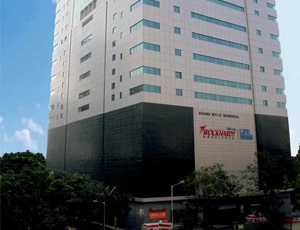
Wockhardt Hospital - A new Age Hospital
Mumbai, India
Wockhardt Hospital - A New Age Hospital located in Mumbai, India is accredited by NABH. Also listed below are some of the most prominent infrastructural details:
- 20-storeyed building at Mumbai Central (South Mumbai)
- Capacity of 350-beds
- Two highly-advanced cath labs with ultra-modern technologies to perform high risk coronary procedures and neurological surgeries
- 8 Operation Theatres- Cardiac, Joint Replacement, Neurology, Oncology, MAS and Organ Transplantation
- 100 beds dedicated to Critical Care, which are connected to IntelliSpace Critical Care & Anaesthesia (ICCA) system
- Largest Paediatric Cardiac Unit
- It has the largest Intelligent ICCA System
- Possess Hi-tech GPS-enabled Ambulances and largest state-of-the-art Accident & Emergency unit in South Mumbai
- As far as accommodation facility is considered, the Hospital makes it easily accessible for the patients in nearby hotels/lodges
Our Services to better your experience
Opinion & Option
We submit the most accurate opinion and options from one or more countries for your review
Consult Privately
Consult with a certified specialist privately on our telemedicine platform even before you decide to travel
Logistics
We handle flights, visas, transfers, and accommodation—so you can focus on your health.
Recovery
Our In-house rehabilitation service packages to better your recovery and treatment outcome
Why Choose India for Hepatocellular Carcinoma (HCC) Treatment?
Here are some of the reasons for choosing India:
- Due to advancements in medical facilities, such as minimally invasive surgical techniques.
- World-class experts include highly experienced doctors, JCI, and NABH-accredited healthcare institutions.
- Compared to other countries, treatment in Indian hospitals is cost-effective.
- Indian hospitals provide International patient services, including a multilingual support system.
- Improved treatment methods and biological therapies
Frequently Asked Questions
Yes, liver transplantation is a possibility for patients with early-stage HCC, mainly if the tumour is localised to the liver and the patient has cirrhosis. India has several transplant centres that provide this procedure.
Early diagnosis and treatment increase the chance of survival. Surgical resection or liver transplantation can provide a cure in the early stages, while modern therapies such as targeted medicines and immunotherapy can enhance quality of life and increase survival.
Survival rates vary depending on the stage of diagnosis. Early-stage HCC treated with surgery or liver transplantation has a much greater survival rate; however, advanced cases may have a poorer survival rate despite treatment. Early diagnosis and treatment significantly enhance outcomes.
Yes, lifestyle changes include:
- Consuming a nutritious diet rich in fruits and vegetables.
- Exercise regularly to maintain a healthy weight.
- Avoid alcohol and smoking.
- Managing chronic liver illnesses such as hepatitis or fatty liver can help avoid or better manage HCC.
HCC is one of the most common malignancies in India, particularly in areas with a high prevalence of hepatitis B and C infections. However, its prevalence is on the rise as non-alcoholic fatty liver disease (NAFLD) and alcohol-related liver damage become more common.
Many patients can retain a high quality of life thanks to improved treatments such as surgery, liver transplants, and tailored medications. However, the disease's impact varies depending on the stage of cancer and the available treatment options.

Reviewer

Dr. Mohit Agarwal
Medical Oncologist
14 Years of Experience
One of the finest Oncologist in New Delhi, India, Dr. Mohit Agarwal has worked with several world class multidisciplinary hospitals over the years. Dr. Mohit Agarwal has over 14+ years of experience in his field. The doctor treats and manages a wide range of conditions such as Stomach Cancer, Rectal Cancer, Breast Cancer, Brain Cancer View More
Last Reviewed - January 2026