Comprehensive Myelopathy Treatment in India
- Top Accredited Hospitals
- Global Medical Standards
- Cutting-Edge Technology
- Proven Treatment Options
- High Success Rate
- Trusted by Millions

What is a Comprehensive Myelopathy?
Comprehensive myelopathy is not a specific medical term, but it likely refers to the broad or detailed understanding and treatment of myelopathy, a condition affecting the spinal cord. Myelopathy is a general term for any disorder or damage to the spinal cord that affects its normal functioning, often leading to neurological deficits like weakness, numbness, or coordination problems.
What is the Importance of Timely Treatment?
Medical intervention for Comprehensive Myelopathy and cervical herniated disc must be performed right away due to multiple compelling reasons.
- Prevents Progression of Symptoms: If left untreated, conditions like cervical spondylosis or myelopathy can worsen over time. Early treatment helps prevent further degeneration of the spinal discs, joints, and nerves, reducing the risk of nerve damage, weakness, and loss of mobility.
- Reduces Pain and Discomfort: Timely intervention can help manage pain and inflammation associated with spinal conditions. Addressing the root cause early on (such as herniated discs or spinal stenosis) can help reduce chronic pain, muscle stiffness, and numbness that may otherwise become debilitating.
- Minimises the Risk of Severe Complications: Conditions like myelopathy can lead to permanent nerve damage if not treated in time. In some cases, untreated spinal cord compression may result in loss of motor function, paralysis, or bowel/bladder dysfunction. Timely treatment helps reduce the risk of these serious complications.
- Improves Treatment Outcomes: Early diagnosis and treatment typically result in better outcomes. Non-surgical treatments such as physical therapy, medications, and lifestyle adjustments can often alleviate symptoms and prevent the need for invasive procedures. Early intervention yields quicker and more favourable recovery times when surgery is necessary.
- Preserve Quality of Life: Addressing symptoms early can help maintain independence and functionality. Individuals seeking timely treatment are more likely to continue with daily activities, keep their work productivity, and have a better quality of life as they age.
What are the Common Symptoms of Comprehensive Myelopathy?
- Pain (neck, back, arms, or legs)
- Weakness and numbness in limbs
- Coordination problems (ataxia), leading to gait difficulties
- Muscle stiffness or spasms
- Loss of fine motor skills
- Bowel and bladder dysfunction (in severe cases)
- Radiating pain (from neck to arms or from back to legs)
- Decreased reflexes
- Fatigue or general weakness
- Sensory impairments (decreased touch or pain sensation)
Causes and Risk Factors of Comprehensive Myelopathy
Causes
- Degenerative Disc Disease (Cervical Spondylosis)
- Herniated Discs
- Spinal Stenosis
- Trauma or Injury
- Spinal Tumors
- Inflammatory Diseases
- Infections
- Vascular Issues
- Congenital Conditions
Risk Factors
- Age
- Genetic Predisposition
- Previous Spinal Injury
- Repetitive Strain or Poor Posture
- Obesity
- Chronic Conditions
- Family History
- Smoking
- Occupation and Lifestyle
Connect with our advisor for a PRIORITY response
Latest Research and Technologies in the Treatment of Comprehensive Myelopathy in India
The medical treatment of Comprehensive Myelopathy in India adapts the latest research and technologies to meet worldwide clinical standards and healthcare capabilities.
Studies and research on Comprehensive Myelopathy treatment include the following:
- Minimally Invasive Surgery requires endoscopic spine surgery together with microsurgery to address herniated discs, nerve compression, and bone spurs through minimal incisions, providing patients with rapid recovery conditions, minimal pain experience and lower chances of complications in comparison to traditional surgery protocols.
- Robot-assisted surgery enables precise surgical procedures in disc harvesting with decompression capabilities alongside spinal structure alignment, resulting in better medical results and shorter hospitalisation periods.
- Stem Cell Therapy: The use of experimental stem cell research to demonstrate its potential for intervertebral disc regeneration and degenerative reduction throughout early research findings.
- Advanced physical therapy: Treatment methods such as these combine to achieve three therapeutic effects, including lowering inflammation and pain control with muscle strengthening of cervical spine support structures.
- Biodegradable Spinal Implants: Researchers in India are developing biodegradable spinal implants that can fade away naturally. The product, made of advanced material, supports the spine during recovery but degrades over time. For this reason, individuals no longer have to undergo a second surgery for implant removal.
- Spinal Cord Stimulation (SCS): The new treatment for chronic pain related to myelopathy and spinal injuries is spinal cord stimulation (SCS). This device is implanted near the spinal cord, and electrical impulses are sent to the body to manage pain and enhance mobility.
- Personalised Treatment: The field of biomechanics is currently directing studies that develop personalised treatments for patients diagnosed with Comprehensive Myelopathy.
Comprehensive Myelopathy Prevention Tips
These strategies help prevent herniated disc development in the cervical spine:
- Your body must always align your spine with your head during all activities, including sitting, standing, and walking.
- Regular stretching exercises help build muscle strength, providing better support to the cervical spine.
- The neck experiences increased pressure from body weight whenever people carry excessive body fat, mainly when the weight accumulates in their abdominal area. A proper diet, together with regular physical activity, helps control weight, resulting in reduced stress throughout the cervical spine.
- A supportive, firm mattress should be your choice when sleeping because it properly aligns your spine. Do not sleep in the stomach position since it creates unwanted strain on the neck.
- Sudden neck-jerking actions should be avoided because they strain discs and neck muscles.
- The health of intervertebral discs requires enough hydration because these flexible pads depend on water to function as shock absorbers. Daily water consumption should include enough fluids to maintain spinal health.
- The process of smoking cessation through cardiovascular improvement will lower your chances of acquiring Comprehensive Myelopathy.
- Select appropriate lift methods because neck and back twisting should be avoided throughout lifting.
- Medical professionals specialising in the treatment of spinal health should be checked regularly so your doctor can detect cervical problems during their earliest stages.
Treatment options for Comprehensive Myelopathy
The medical treatment for Comprehensive Myelopathy depends on the condition's severity level and may consist of either non-surgical solutions or surgical procedures. People with Comprehensive Myelopathy can use the following treatments:
Laminectomy: It removes part of the vertebra called the lamina to open up more space in the spinal cord.
Cost Start From USD 3000 - USD 5000Explore Options
Discectomy refers to the surgical removal of the herniated or degenerated disc, which presses against the spinal cord.
Spinal Fusion: Fusing two or more vertebrae in place after removing a laminectomy or discectomy.
Cost Start From USD 6500 - USD 9500Explore Options
Cervical Disc Replacement: The damaged disc is replaced with an artificial one to maintain stability with motion in the neck.
Cost Start From USD 7000 - USD 9000Explore Options
Stem Cell Therapy : It has recently been tried in some cases as a treatment to reverse spinal cord damage by maintaining nerve regeneration.
Cost Start From USD 18000 - USD 36000Explore Options
These are the standard diagnostic methods for diagnosing Comprehensive Myelopathy:
- Clinical Evaluation:
- History and Symptoms: During the assessment, the physician must complete information about the injury and evaluate symptoms of neck pain, numbness, and weakness to determine spinal cord involvement.
- Physical Examination: During an examination, doctors will evaluate the signs which present as pain combined with stiffness while testing the neck's range of motion.
- Imaging Studies:
- X-rays (Radiographs): These tests provide vital information about degeneration, alignment issues, or narrowing of the spaces between vertebrae.
- CT Scan (Computed Tomography): The technique displays original bone structures in a three-dimensional format to calculate the extent of disc herniation.
- MRI (Magnetic Resonance Imaging): This method shows providers detailed pictures of soft tissues to investigate the herniated discs.
- Myelogram: A contrast dye is deposited into the spinal canal during a lumbar puncture before performing X-ray or CT scanning for improved spinal cord imaging and nerve root visualisation.
- Myelography uses contrast dye injected into the spinal canal to obtain X-ray or CT images that show Comprehensive Myelopathy effects on the spinal cord and nerve roots.
- Electromyography (EMG): The test provides critical information to define nerve function impairments and detects nerve vitalities, including weakness or tingling sensations.
- Cerebrospinal Fluid (CSF) Analysis: In addition to compression myelopathy, a CSF analysis can be conducted in selected patients to exclude the possibility of an infection or an inflammatory condition affecting the spinal cord. This involves a lumbar puncture for fluid aspiration followed by laboratory testing for infection and inflammation and possibly other abnormalities in the fluid.
MediRehab (a chain of Rehab centres, part of MediGence) provides comprehensive rehabilitation services designed to support patients in India. Additional services are as per the patient's requirement. These services include:
- Physical therapy aims to decrease pain and increase mobility while targeting neck flexibility through strengthening exercises that improve posture and manually treat the area.
- Occupational therapy (OT) assists people with myelopathy in recovering skills for daily living tasks. Improvement in function will focus on the arms, hands, and fingers to help patients with activities such as dressing and cooking, writing or using a computer.
- Speech and Swallowing Therapy: Patients may have speech or swallowing difficulties (dysphagia) if myelopathy occurs in the neck and throat. Treatment for speech problems, such as providing ways to improve communication and swallowing function, is also provided.
- Surgical Rehabilitation: When the cause of compression myelopathy is surgically treated, such as with the removal of a herniated disc (discectomy), removal of pressure from the bone (laminectomy) or spinal fusion, rehabilitation after surgery forms an integral part of regaining health.
- Pain management: Chronic pain is another common symptom resulting from myelopathy. Pain management is essential to rehabilitation because techniques to reduce pain help control pain, thus making other rehabilitative exercises more effective.
- Hydrotherapy: Hydrotherapy, or aquatic therapy, supports the buoyancy of water as a low-impact environment for rehabilitation. Most people who have myelopathy cannot stand for long periods on land because of weight-bearing issues. Water in aquatic therapy endorses buoyancy, thus reducing strain caused by the body's weight on the spine even when exercises are effectively carried out.
Pain relievers, muscle relaxants, and nerve pain medications are Comprehensive Myelopathy treatments since they minimise pain and inflammation, alleviate muscle spasms, and address nerve discomfort.
Instantly Connect with our Specialists


Hospitals for Comprehensive Myelopathy in India

Aster Medcity
Kochi, India
- 670 bed facility
- 24 hours Emergency and Trauma Care
Aster Centres of Excellence
- Cardiac Sciences
- Orthopaedics & Rheumatology
- Neurosciences
- Nephrology & Urology
- Oncology
- Gastroenterology
- Integrated Liver Care
- Womens Health
- Child & Adolescent Health
- Multi Organ Transplant
- Diagnostic Technology used for increasing the efficiency of diagnostic procedures.
- Streamlined Application of Therapeutic Technology
- Minimal Access Robotic Surgery (MARS) which makes use of the da Vinci Surgical System is applied by the specialists in Aster Medcity, Kochi, Kerala.
- ORI Fusion Digital Integrated Operation Theatres which applies Karlstorz OR1 Fusion system.
- Completely digital Anesthesia facility
- Pharmacy which possesses completely Automated Drug Dispensing

Aakash Healthcare Super Speciality Hospital
Delhi, India
Aakash Healthcare Super Speciality Hospital located in New Delhi, India is accredited by NABH. Also listed below are some of the most prominent infrastructural details:
- One of the biggest tertiary care hospitals in India
- Facility is fusion of state of the art technology, competent clinicians, and world-class infrastructure
- 230 beds
- 70 bedded medical and surgical and Critical Care Unit
- Ward Bed Options- Twin, Deluxe, Sharing and Economy
- Pneumatic Tube System
- Ambulance Services 24x7
- 15 Bedded dialysis unit
- Advanced Neonatal ICU
- Advanced imaging services, including magnetic resonance imaging, computed tomography scanning, digital mammography, ultrasound
- 8 modular OTs
- Flat Panel Cath Labs
- LASIK - SMILE Suite
- Wellness Lounge
- State-of-the-art diagnostic equipment
- 15 Dialysis beds
- 24x7 ‘Trauma & Emergency Center
- Dedicated blood bank
- 24x7 comprehensive patient care.
- Deployed high-end technologies & smart digital system
- Robust Hospital Information Systems to meet complex medical needs of patients
- Robotic assisted surgeries
- International Patients Lounge
- Airport Pick-up and Drop
- Accommodation and Food for Attendant
- Language Interpreter Services
- 4 triage beds, a dedicated sample collection room, 6 observation beds, and highly skilled emergency staff
- Robotic knee replacement surgery
- ATM
- Lounge for visitors
- Internet Access: The whole facility is Wi-Fi enabled
- Travel Desk: Provides an all-round patient care.
- 24x7 pharmacy

Pushpawati Singhania Research Institute
Delhi, India
Pushpawati Singhania Research Institute located in New Delhi, India is accredited by NABH, NABL. Also listed below are some of the most prominent infrastructural details:
- Multi-bed hospital with state-of-art infrastructure
- Advanced medical equipment
- High-tech labs
- Modular operation theaters
- Cath labs with Clarity Platform, 128 channel CARTO 3 version 4 with ICE mapping facility, FD 10 Prucka 2D EP system
- High-end Intensive Coronary Care Unit
- Dedicated Pre-Post Cath Unit
- Multislice CT Scan, 1.5 Tesla MRI
- 24 *7*365 functional cardiac Cath lab & operation theatre
- Fifteen bedded Coronary Care Unit
- 3D, 4D Echo & Trans-oesophageal Echo, Non Invasive cardiology (Holter, TMT, Echo, 24hrs ambulatory BP Monitoring
- Radio Frequency Ablation like Complex Arrhythmia such as ischemic VT, AF with 3 D Mapping imaging
- RFA using ICE Intra-cardiac Echo
- Well-equipped inpatient and intensive care services
- Ultra-modern Blood Bank Facility
- Advanced Physiotherapy center, 24/7 Emergency &Trauma services
- Gastroenterology department equipped with Capsule endoscopy, Endoscopic retrograde cholangiopancreatography, Single balloon enteroscopy, High resolution esophageal and anorectal manometry, Endoscopic ultrasound, and hydrogen breath test
Sustained low-efficiency daily dialysis and Continuous Renal Replacement Therapy - Exhaled Nitric oxide (FeNO) and allergy testing for the management of asthma
- Conventional PAP/ Liquid PAP/ HPV-DNA test for the patients with the High risk of cervical cancer
Our Services to better your experience
Opinion & Option
We submit the most accurate opinion and options from one or more countries for your review
Consult Privately
Consult with a certified specialist privately on our telemedicine platform even before you decide to travel
Logistics
We handle flights, visas, transfers, and accommodation—so you can focus on your health.
Recovery
Our In-house rehabilitation service packages to better your recovery and treatment outcome
Why Choose India for Comprehensive Myelopathy Treatment?
Several advantages exist for choosing India for Comprehensive Myelopathy treatment.
- Effective Cost: The cost of medical treatment in India proves more economical than Western pricing yet remains equivalent to high-end treatment standards. The treatment path covers operative steps and follows all post-surgical phases.
- World-Class Infrastructure: The healthcare system in India operates multiple facilities accredited at the international level, which combine highly experienced orthopaedic surgeons who receive patients with complicated spine injuries, including Comprehensive Myelopathy.
- Advanced Technology: The diagnosis and treatment in Indian medical centres benefit from state-of-the-art equipment and cutting-edge procedures, including minimally invasive surgical methods and robotic-assisted solutions.
- Skilled Specialists: Doctors specialising in orthopaedics and neurosurgery are in high numbers throughout India because Indian medical specialists possess international recognition for their outstanding spinal treatment capabilities.
- Language Support: Indian hospitals offer multilingual support to fulfil international patient needs by assisting in numerous country languages.
Frequently Asked Questions
The treatment depends on the severity of the condition. For mild cases, conservative measures may be applied through physical therapy, medications, and lifestyle changes. For more severe cases, surgery may be required to decompress the spinal cord and prevent further neurological damage.
Physiotherapy is fundamental in strengthening the muscles helping improve balance and mobility. Also, it enables the management of symptoms such as pain and stiffness, making physiotherapy indispensable in treatment and recovery.
It can sometimes be treated if diagnosed early enough. Through medication, physiotherapy, and lifestyle modifications, but occasionally, severe cases have to be subjected to surgery if there is intense damage to the spinal cord because pressure cannot be relieved.
The recovery depends on the severity of the condition and how early treatment is initiated. Many people can regain function and manage symptoms effectively with early intervention and a comprehensive treatment plan. However, in severe or long-term compression cases, full recovery may not be possible, and ongoing management may be required.
Prevention involves maintaining a good posture, avoiding repetitive strain, exercising to strengthen the muscles around the spine, and quitting smoking. Early signs of myelopathy from spinal issues are usually detected in time with proper follow-up from a healthcare provider.
Cervical myelopathy is a specific term that refers to compression or damage to the spinal cord in the cervical region of the spine. Comprehensive myelopathy is a more general term that refers to myelopathy occurring at any level of the spine and may involve multiple areas of the spinal cord.
Yes, if untreated or progressed beyond a certain extent, complete myelopathy would result in irreversible damage to the spinal cord. This would subsequently lead to permanent chronic pain and disability with associated loss of mobility. Early detection and treatment of the condition help prevent permanent damage.
Comprehensive myelopathy should be diagnosed and treated by a neurologist. The treatment modalities would involve surgical intervention through a neurosurgeon or orthopaedic spine surgeon. Other support care professionals may include the services of physical therapists, occupational therapists, and pain management experts.
Yes, comprehensive myelopathy is more common among the elderly population because of degenerative changes within the spine. These changes can include spinal stenosis, herniated discs, and bone spurs. However, myelopathy may also be experienced by younger patients due to traumatic or genetic causes.
If left untreated or if compression is severe, comprehensive myelopathy can result in paralysis or significant loss of function. Therefore, early diagnosis and treatment are crucial to avoid permanent damage to the spinal cord and minimise the risk of permanent paralysis.

Reviewer
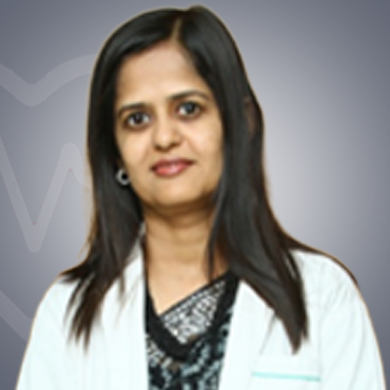
Dr Sonal Gupta
Neurosurgeon
29 Years of Experience
Dr. Sonal Gupta has an experienced neurosurgeon with more than 29+ years of clinical expertise. She is currently the Director, Neuro & Spine Surgery at Fortis Hospital, Shalimar Bagh. Before joining Fortis, she has been associated with various organizations such as Maharaja Agrasen Hospital, Action Balaji Hospital, and Max Hospital. View More
Last Reviewed - January 2026