Your Notifications
All done, no notifications

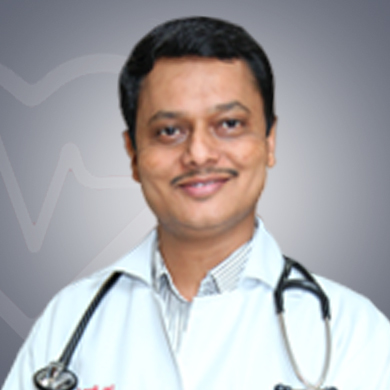
Dr. Ram Chandra Soni

Bariatric Surgeon

, Faridabad, India

25 Years of experience

Speaks: Hindi , English


Dr Ram Chandra Soni is one of the most skillful Gastroenterologist in Faridabad, India. The medical specialist holds over 22 years of experience and is associated with Asian Institute of Medical Sciences.

Association and Memberships Dr. Ram Chandra Soni is part of:

  • Indian Society for Gastroenterology (ISG)

Qualifications :

  • MBBS
  • MD (Medicine)
  • DM(Gastroenterology)

Hospital Address :

Asian Institute of Medical Sciences, Sector 21A, Faridabad, Haryana, India

Medical Expertise of Dr. Ram Chandra Soni

  • Medical expertise of Dr. Soni is in treatment of conditions of gastrointestinal tract and liver.
  • Diagnostic and therapeutic Endoscopic procedures like GI Endoscopy, Colonoscopy, Enteroscopy, ERCP, Fibro scan, and Single Balloon Enteroscopy.
  • Dr. Ram Chandra Soni is a Member, Indian Society of Gastroenterology, Society of Gastrointestinal Endoscopy of India, and Member, Association of Physicians of India.
  • His work experience includes with Sarvodaya Hospital from 2010 to 2016 and as Senior Consultant & HOD in Gastroenterology at Asian Institute of Medical Science.
  • He is well qualified with an MBBS, MD (Medicine), and DM (Gastroenterology).
  • He has over 15 years of expertise in gastroenterology and has over 100000 Endoscopy, Colonoscopy, ERCP, SBE, and Endoscopic Ultrasounds to his credit.
Frequently Asked Questions
Which are some of the best hospitals Gastroenterologists in Faridabad, India are associated with?

Given below are some of the most popular hospitals in Faridabad, India where Gastroenterologists work:

Which are some of the procedures performed by Gastroenterologists in Faridabad, India?

Most common procedures performed by gastroenterologists in Faridabad are:

Which are some of the conditions treated by Gastroenterologist in Faridabad, India?

Most common conditions performed by gastroenterologists in Faridabad, India are:

  • Celiac Disease
  • Abdominal Pain
  • Gastrointestinal Cancer
  • Pancreatic Cancer
  • Crohn's Disease
  • Inflammatory Bowel Diseases
  • Esophageal Varices
  • Jaundice
  • Ulcer
  • Pancreatitis
  • Gastrointestinal Bleeding
  • Bile Duct Cancer
  • Liver Cancer
Who is a Gastroenterologist?

Gastroenterologists are doctors who are highly trained in diagnosing and treating problems in your gastrointestinal tract and liver. They also perform routine procedures such as colonoscopy, to look inside the colon. They have 5-6 years of specialized education and training after medical school.

An individual might consult a gastroenterologist for health concerns with their:

  • Esophagus
  • stomach
  • Rectum
  • Stomach
  • Small intestine
  • Colon
  • Pancreas
  • Liver
  • Gallbladder
  • Bile ducts

Gastroenterologists are generally trained in managing GI conditions. If a primary care physician has found an issue involving the GI tract, they will more likely recommend you visit a gastroenterologist for a more detailed evaluation of the issue. A gastroenterologist also performs endoscopic procedures, in which they use special instruments to see the GI tract and then make a diagnosis. They don’t do surgery, though in certain cases, they may work very closely with a GI surgeon. Gastroenterologists generally work in clinic or hospital settings.

What are the qualifications of a Gastroenterologist?

The steps to become a gastroenterologist include:

  • a five-and-a-half year-year MBBS degree
  • a postgraduate MD degree in gastroenterology
  • a 3-year training program, also called a residency, in internal medicine, which involves working with experienced gastroenterologists

After a student completes their residency, they must complete a 2- or 3-year fellowship to receive more specialized training in the field. This includes extensive training in endoscopy, a nonsurgical procedure doctors use to see the GI tract. Once the aspiring gastroenterologist has completed their training, they must clear a specialty certification exam for gastroenterologists.

What conditions do Gastroenterologists treat?

Gastroenterologists are trained to have knowledge of the normal movement of food through the intestine and stomach, the absorption of food, and the way waste is eliminated from the body. They can treat a wide variety of conditions, including:

  • Gastroesophageal reflux
  • Colitis
  • Gallbladder and biliary tract diseases
  • Colon polyps
  • Gastroesophageal reflux disease
  • Hepatitis
  • Peptic ulcers
  • Nutritional issues
  • Irritable bowel syndrome
  • Pancreatitis
  • Inflammatory Bowel Diseases
  • Esophageal Varices
  • Jaundice
  • Gastrointestinal Bleeding
  • Bile Duct Cancer
  • Celiac Disease
  • Abdominal Pain
  • Gastrointestinal Cancer
  • Pancreatic Cancer
  • Crohn's Disease
  • Liver Cancer
What diagnostic tests are required by a Gastroenterologist?

A Gastroenterologist can order the below-listed diagnostic tests to detect conditions related to the stomach:

  • Endoscopic Retrograde Cholangiopancreatography
  • Pancreas Scan
  • Liver Scan
  • Barium Swallow
  • Barium Enema
  • Upper Gastrointestinal Series
  • Upper GI Endoscopy
  • Abdominal X-ray
  • Abdominal Ultrasound
  • CT Scan of the Abdomen
  • Liver Biopsy
  • Colonoscopy
  • PEG Tube Placement
  • Sigmoidoscopy
  • CT Scan of the Liver and Biliary Tract
  • Virtual Colonoscopy
  • Colectomy
  • Proctectomy
  • CT Scan of the Pancreas
  • Laparoscopy
When should you visit a Gastroenterologist?

Your primary care doctor may refer you to a gastroenterologist if you show the following signs and symptoms:

  • Food coming back up after you swallow
  • Chronic or severe diarrhea
  • Swallowing
  • Heartburn
  • Rectal bleeding
  • Abdominal pain and bloating
  • Presence of gweight loss specialisttones
  • Excessive gas or belching
  • Esophageal pain
  • Vomiting
  • Loss of appetite or weight
  • Lethargy
  • Changes in bowel habits
  • Pale-colored stools
  • Dark urine
  • Bowel movement urges that are hard to control
  • Diarrhea
What can you expect from your first visit with a Gastroenterologist?

A primary care doctor might refer you to a gastroenterologist for further evaluation of your condition. You may see the doctor in an outpatient clinic or hospital. The first appointment will take about 30 minutes to an hour to finish. During the first visit with the gastroenterologist, they may ask you about your family and personal health history, previous treatments, symptoms, and medications.

In order to make the most out of your first visit, make sure you bring all the necessary documents about your health history. Also, prepare questions you wish to ask the gastroenterologist and always remember to take notes.

Which are the most common procedures performed by a Gastroenterologist?
  • Endoscopic ultrasounds
  • Colonoscopy to detect colon cancer
  • Endoscopic retrograde cholangiopancreatography
  • Sigmoidoscopy
  • Liver biopsy
  • Capsule endoscopy
  • Double balloon enteroscopy
  • Polypectomy
  • Esophageal dilation

FAQs related to India