
Your Notifications
All done, no notifications

3 Specialists

Dr. D. Kashinatham

Male Fertility Specialist

, Hyderabad, India

18 Years of experience

Speaks: Hindi , English


Dr. D. Kashinatham is a specialized Urologist in India. And one of the most sought after medical specialists in Hyderabad, India. The doctor has over 14 Years of experience and is associated with Yashoda Hospital, Malakpet.

Association and Memberships Dr. D. Kashinatham is part of:

  • Andhra Pradesh Society Of Genito Urinary Surgeons of India
  • Urological Society of India (USI)

Qualifications :

  • MBBS - Guntur Medical College, Guntur, 1999
  • MCh - Urology - Sri Venkateswara Institute of Medical Sciences (SVIMS), Tirupati, 2007

Hospital Address :

Yashoda Hospitals - Malakpet, Jamal Colony, Old Malakpet, Hyderabad, Telangana, India
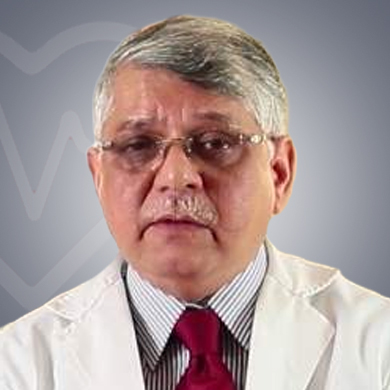
Dr. Arun Shah

Male Fertility Specialist

, Hyderabad, India

35 Years of experience

Speaks: Hindi , English


Dr Arun Shah is one of the most skillful Urologist in Hyderabad, India. The doctor holds over 35 years of experience and is associated with Apollo Hospitals.

Association and Memberships Dr. Arun Shah is part of:

  • Urological Society of India (USI)
  • Association of Surgeons of India (ASI)

Qualifications :

  • MBBS
  • MS
  • MCh

Hospital Address :

Apollo Hospitals Jubilee Hills, Film Nagar, Hyderabad, Telangana, India

Frequently Asked Questions
Who are the top Urologists in Hyderabad, India offering online consultation?

Listed below are some of the top Urologists available for online consultation in Hyderabad, India:

Which are some of the best hospitals Urologists in Hyderabad, India are associated with?

Following are some of the best clinics in Hyderabad, India with whom Urologists are associated with:

Which are some of the procedures performed by Urologists in Hyderabad, India?

Check out the procedures performed by urologists in Hyderabad:

Which are some of the conditions treated by Urologist in Hyderabad, India?

Most common conditions performed by urologists in Hyderabad, India are:

  • Stones in the Kidney or Ureter
  • Erectile Dysfunction
  • Kidney Stones
Who is a Urologist?

A urologist can diagnose and treat problems of the urinary tract. Urologists see both men and women. In women, a urologist deals with the problems of the urinary tract. In the case of men, the urologist can diagnose and treat issues with the penis and testicles. They also treat male infertility as well asdisorders sexual . Urology is the field of medicine that deals with conditions of the urinary tract and male reproductive system. Organs studied in urology include the kidneys, ureters, urethra, urinary bladder, adrenal glands, and the male reproductive organs.

Urologists have expertise in different areas besides the urinary tract. They can handle issues that affect internal organs and female sex organs, as urinary tract issues often affect many other parts of the body. Many urologists treat a wide range of urinary problems, while some specialize in certain issues.

What are the qualifications of a Urologist?

An individual aspiring to become a urologist needs to obtain a MBBS degree first after qualifying the medical entrance test. This is a five-and-a-half-year course which includes academics and training. Once the candidate graduates from medical school, they must complete the MD course in urology. After this, they have to go through four or five years of medical training at a hospital. This program is called a residency and involves working alongside experienced urologists.

Some urologists prefer to undergo a year or two of additional training, which is called a fellowship. During this time, they gain skills in a specialty area. At the end of the training, a urologist needs to pass the specialty certification exam for urologists.

What conditions do Urologists treat?

Urologists treat a number of conditions that affect the urinary system. Some conditions treated by them are:

  • cancers of the bladder, kidneys, penis, testicles, and adrenal and prostate glands
  • painful bladder syndrome
  • kidney disease
  • prostate gland enlargement
  • erectile dysfunction, or trouble getting or keeping an erection
  • Infertility
  • urinary tract infections (UTIs)
  • enlarged veins in the scrotum
  • kidney stones
  • inflammation of the prostate gland
  • Problems holding pee after pregnancy
  • Pelvic organ prolapse
  • Polycystic Kidneys
  • Glomerulonephritis
  • Chronic Kidney Disease
  • Erectile Dysfunction
  • Stones in the Kidney or Ureter
  • End-Stage Renal Disease
  • Kidney Failure
What diagnostic tests are required by a Urologist?

A urologist can order the below-listed diagnostic tests to detect the condition of a patient.

  • Prostate-Specific Antigen Blood Tests
  • Creatinine and Blood Urea Nitrogen Blood Tests
  • Testosterone Blood Tests
  • Urinalysis
  • Urine Culture
  • X-ray scan
  • C-T Scan
  • Semen Analysis
  • Cystoscopy
  • Pyelogram
  • Cystography
  • Ultrasound of the kidney, prostate
  • Rectal sonogram
When should you visit a Urologist?

The signs and symptoms that indicate that you need to visit a urologist are:

  • Burning sensation urination
  • Passing frequent urine
  • Recurring need to urinate urgently
  • Difficulty urinating
  • Presence of blood in the urine
  • Persistent urge to urinate
  • Urine that looks cloudy
  • Pain in the penis
  • Sexual dysfunction
  • Testicular swelling or pain
  • Pain in the flanks or back
  • Blood in the urine
What can you expect from your first visit with a Urologist?

Much of the first appointment with aurologist will focus on the review of your overall medical history. The doctor may ask you to have blood tests done and might also prescribe tests.

Make sure that you write down all questions that come to your mind beforehand and share them with your doctor because this is the opportunity to understand what might happen next and what decisions you need to make to get desired results.

When you visit for the first time, urologist would want to determine whether there are any medical issues in your or your partner’s history that may lead to an underlying medical condition.

Which are the most common procedures performed by a Urologist?
  • Cystectomy
  • Kidney transplant
  • Prostatectomy
  • Transurethral resection of the prostate
  • Cystoscopy
  • Cystogram
  • Ureteroscopy
  • Vasectomy
  • Transurethral needle ablation
  • Extracorporeal shock-wave lithotripsy
  • Ureteroscopy
  • Vasectomy
  • Hydrocele repair
  • Testicular torsion repair
  • Testicle removal for cancer
  • Cyst removal
  • Infertility surgery

FAQs related to India