Your Notifications
All done, no notifications

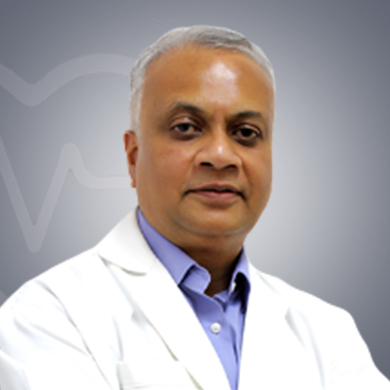
Dr. Bhaskar Nandi

Hepatologist

, Faridabad, India

35 Years of experience

Speaks: Hindi , English


Dr Bhaskar Nandi is one of the most sought after Gastroenterologist in Faridabad, India. The doctor holds over 34 years of experience and is associated with Sarvodaya Hospital and Research Centre.

Association and Memberships Dr. Bhaskar Nandi is part of:

  • Indian Society of Gastroenterology (ISG)
  • Indian National Association for study of Liver (INASL).
  • Association of Physician of India (API)

Qualifications :

  • MBBS
  • MD(Medicine)
  • DM(Gastroenterology)
  • DNB (Gastroenterology)
  • Transplant Hepatology

Hospital Address :

Sarvodaya Hospital, Sector 8, Faridabad, Haryana, India

What is the medical expertise of Dr Bhaskar Nandi?

  • Dr Bhaskar Nandi has more than 34 years of experience in providing treatments for chronic hepatitis, liver cancer, liver failure, inflammatory bowel disease, and hepatitis B and C infections. He can successfully perform liver transplantation, endoscopic pancreatic cyst drainage, pancreatic and biliary stone removal, oesophagal stricture dilatation and stenting, and endoscopic interventions for GI bleeding.
  • The President of India awarded him the Vishisht Seva Medal ( VSM).
  • Professionally, he is a member of numerous organizations such as the Association of Physicians of India( API), the Indian National Association for the Study of Liver
    (INASL) and the Indian Society of Gastroenterology( ISG).
  • Dr Nandi has contributed to more than 6 books and has publications in 26 journals. His research papers include:
    1. Anand AC, Nandi B, Acharya SK, Arora A, Babu S, Batra Y et al. Indian National Association for the Study of the Liver Consensus Statement on Acute Liver Failure (Part 1): Epidemiology, Pathogenesis, Presentation and Prognosis. J Clin Exp Hepatol. 2020 Jul-Aug;10(4):339-376.
    2. Anand AC, Nandi B, Acharya SK, Arora A, Babu S, Batra Y et al. Indian National Association for the Study of Liver Consensus Statement on Acute Liver Failure (Part-2): Management of Acute Liver Failure. J Clin Exp Hepatol. 2020 Sep-Oct;10(5):477-517.
    3. Saha A, Naidu C, Ramesh G, Chatterjee J, Puri P, Nandi B, Nambiar P, Madan R. Liver transplantation in Indian Armed Forces-initial experience. Med J Armed Forces India. 2012 Apr;68(2):110-7.
Frequently Asked Questions
Which are some of the best hospitals Liver Transplant Surgeons in Faridabad, India are associated with?

Following are some of the best clinics in Faridabad, India with whom Liver Transplant Surgeons are associated with:

Which are some of the conditions treated by Liver Transplant Surgeon in Faridabad, India?

Most common conditions performed by liver transplant surgeons in Faridabad, India are:

  • Hemochromatosis. Biliary Atresia
  • Alcoholic Liver Disease
  • Nonalcoholic Fatty Liver Disease
  • Primary Sclerosing Cholangitis
  • Primary Biliary Cirrhosis
  • Wilson's Disease
  • Liver Failure
Who is a Liver Transplant Surgeon?

A liver transplant surgeon is a doctor who is trained in replacing a diseased liver with a healthy liver of another person. A whole liver might be transplanted, or only a part of it. In most of the cases the healthy liver comes from a donor who has just died. A healthy living person, sometimes, will donate part of their healthy liver. A living donor may be a family member. Or it may be someone who is not related to you but whose blood type is a good match. Liver transplant surgeons recommend as well as perform liver transplant surgery on patients who have severe complications due to end-stage chronic liver diseases. Liver transplant is also a suitable option in the cases of sudden liver failure.

What are the qualifications of a Liver Transplant Surgeon?

A person aspiring to become a liver transplant surgeon needs to qualify the medical entrance exam to get into a medical school. Once the candidate clears the entrance test, he/she completes a five-and-a-half-year programme (MBBS). Then, they go for a three-year MS course to specialise in surgery. They then complete a general residency like any other doctor. Finally, they have to complete an additional three years of a liver transplant surgery fellowship. After this, they become certified transplant surgeons.

What conditions do Liver Transplant Surgeons treat?

Liver Transplant Surgeons can treat a wide variety of liver conditions. Some common conditions treated by them are listed below:

  • Primary Biliary Cirrhosis
  • Wilson's Disease
  • Liver Failure
  • Hemochromatosis
  • Primary Sclerosing Cholangitis
  • Alcoholic Liver Disease
  • Nonalcoholic Fatty Liver Disease
  • Hepatitis C
  • Hepatitis B
  • Autoimmune hepatitis
  • Primary sclerosing cholangitis
  • Alcoholic liver disease.
  • Non-alcoholic steato-hepatitis
  • Fatty liver disease
  • Primary liver cancers
  • Primary biliary cirrhosis
  • Acute liver disease
  • Polycystic disease
  • Wilson’s disease
  • Hemochromatosis
  • Veno-occlusive disease
What diagnostic tests are required by Liver Transplant Surgeons?

Liver Transplant Surgeons would want to review all your medical records, X-rays, operative reports, liver biopsy slides, and a list of medications at your initial evaluation. To update previous tests, some of the following studies are generally performed during your evaluation:

  • Doppler ultrasound: Used to determine if the blood vessels to and from the liver are open.
  • Computed tomography (CT scan): Used to get pictures showing liver size and shape, any liver lesions, and blood supply. A chest CT scan might also be required.
  • Echocardiogram and stress testing to evaluate your heart condition.
  • Pulmonary function studies to assess the lungs' ability to exchange carbon dioxide and oxygen.
  • Blood tests to find out blood type, biochemical status of blood, clotting ability, and to measure liver function.
  • Serology screening
When should you visit a Liver Transplant Surgeon?

Your physician will tell you to visit a liver transplant surgeon if you experience any of the following signs and symptoms:

  • Jaundice
  • Ascites (fluid in the abdomen)
  • Hepatic encephalopathy (confusion or even coma)
  • Bleeding in the upper as well as lower gastrointestinal tract from varices
  • Itching, pale stools, dark urine, chills, fluid buildup in the belly, and pain
  • Enlarged liver
  • Portal hypertension
  • Buildup of toxins in the blood
What can you expect from your first visit with a Liver Transplant Surgeon?

If your primary care physician has recommended you to see a Liver Transplant Surgeon for any acute or chronic liver injuries or conditions you may have, it could be helpful to know what to expect during the initial consultation.

You and the surgeon would be discussing all conditions, the course of the treatment, and the rehabilitation process. The surgeon may want to perform an examination and tests to get a clearer picture of the issue.

Which are the most common procedures performed by a Liver Transplant Surgeon?
  • Liver transplant
  • Liver biopsy

FAQs related to India