Explore trusted hospitals and care options, or get personalised support to find a suitable option based on your treatment needs, preferences, and budget.

Asan Medical Centre, South Korea, Seoul
Hematologist • 29 years experience
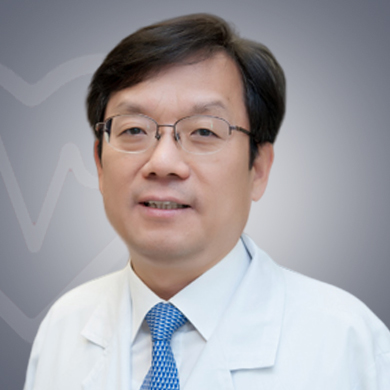
Korean EnglishKyoo Hyung Lee, Doctor of Medicine: Catholic University of Korea , is a Hematologist based in Seoul, South Korea. The doctor has 29 years of professional experience. Kyoo Hyung Lee areas of expertise include Multiple Myeloma, Spinal Injury, Thalassemia, Acute Myelogenous Leukemia (AMI), Various Autoimmune Diseases.
Work Experiences

Asan Medical Centre, South Korea, Seoul
Hematologist • 20 years experience
Korean EnglishJung Hee Lee, Doctor of Medicine: University of Ulsan , is a Hematologist based in Seoul, South Korea. The doctor has 20 years of professional experience. Jung Hee Lee areas of expertise include Acute Myelogenous Leukemia (AMI), Hematological Disorders, Congenital Neutropenia, Sickle Cell Disease, Orthopedic Conditions.
Work Experiences
Following are some of the best clinics in Seoul, South Korea with whom Hematologists are associated with:
Most common procedures performed by hematologists in Seoul are:
Most common conditions performed by hematologists in Seoul, South Korea are:
Hematologists are internal medicine doctors who have training in disorders related to the bone marrow, blood, and lymphatic system. They may work in hospitals, clinics, or blood banks. Hematologists who practice in labs are called hematopathologists. They are well- trained in pathology, a branch of medicine that studies body tissues and the blood with microscopes or tests.
If your primary care physician has advised you to see a hematologist, it might be because you are at risk for a disease involving the red or white blood cells, blood vessels, platelets, bone marrow, spleen, and lymph nodes.
A hematologist:
A hematologist may also be known by the following names: blood disease specialist or blood doctor.
When choosing a hematologist, board certification plays a key role. A doctor might treat patients with blood disorders and conditions without being board certified in hematology. However, training, education, experience and certification establish the hematologist’s level of competence. Also, board certification tells whether the doctor has completed a training program and cleared an exam demonstrating their expertise in hematology.
This is the pathway:
• Graduation in medicine (MBBS) followed by post graduation programme (MD or DO).
• Residency training as well as certification exam in internal medicine
• More training (fellowship programs) and certification exams in hematology.
A hematologist treats conditions that involve the blood including:
A hematologist can order a wide variety of diagnostic tests, such as:
Your primary care doctor may tell you to see a hematologist if you have the following symptoms:
You might not always come face to face with a hematologist. They often work closely with your pediatrician, internist, oncologist, or other primary doctor to study your test results or to evaluate your condition. A lab technician who collects your blood sample isn’t a doctor.
They will conduct a physical exam to test the functioning of the body. In addition to tests and physical exams, you could get a lot of information at your first appointment. You may need to bring a family member or friend along with you. The person you bring can help ask questions, listen, and take notes.
Some popular procedures performed by hematologists are:
Top Medical Specialities in Seoul, South Korea are: