Your Notifications
All done, no notifications

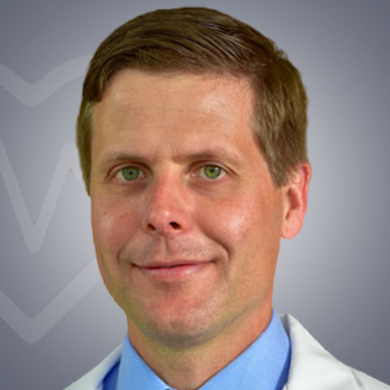
Dr. Erik Krushinski

Bone and Joint Specialist

, Rehovot, Israel

21 Years of experience

Speaks: English


Dr. Erik Krushinski is a specialized Orthopedic Surgeon in Israel. And one of the most sought after medical specialists in Rehovot, Israel. The doctor has over 20 Years of experience and is associated with Kaplan Medical Centre.

Qualifications :

  • Undergraduate degree at Pennsylvania State University with a BS in Biology
  • Medical Degree at Pennsylvania State University College of Medicine in Hershey, PA in 2002
  • Orthopaedic Surgery training at the University of Maryland School of Medicine in 2007
  • Fellowship in Sports Medicine and arthroscopic surgery at Union Memorial Hospital in Baltimore, Maryland

Hospital Address :

Kaplan Medical Center, , Rehovot, Israel

Frequently Asked Questions
Who are the top Orthopedic Surgeons offering online consultation?

Here are some of the best rated orthopedic surgeons available for online consultation:

Which are some of the best hospitals Orthopedic Surgeons are associated with?
Which are some of the conditions treated by Orthopedic Surgeon?

Most common conditions performed by orthopedic surgeons are:

  • Meniscus Tear
  • Hip Fracture or Hip Dysplasia
  • Ankle Fracture
  • Shoulder Pain
  • Erb's Palsy
  • Injury or Fracture of the Hip Joint
  • Hip Osteoarthritis
  • Shoulder Injury
  • Ankle Arthritis
  • Post-traumatic arthritis
  • Damaged joint
  • Rheumatoid arthritis
  • Carpal Tunnel Syndrome
  • Shoulder Arthritis
  • Ankle Injury or Trauma
  • Torn Anterior Cruciate Ligament
  • Shorten or lengthen a deformed bone
  • Avascular Necrosis of Hip Joint
  • Osteonecrosis
  • Deformed Knees
  • Major Fractures
  • Brachial Plexus Injuries - Brachial Plexus Injury At Bith
  • Bone Tumor in the Hip Joint
  • Knee Pain
  • Brachial Plexus Avulsion
  • Osteoarthritis
  • Knee Osteoarthritis
  • Shoulder Inflammation
  • Rheumatoid Arthritis
  • Torn Rotator Cuff
  • Osteoarthritis (Most Common)
  • Knee Injury
  • Brachial Plexus Rupture
What are the qualifications of an Orthopedic Surgeon?

Aspiring orthopedic specialists need to obtain a 5½ years MBBS degree and then 2- 3 years MS (orthopedics). Interested candidates have to appear in a medical entrance test. After completing the four and half years of MBBS course and one year and six months of mandatory training, one has to pursue MS (Ortho) to work as an Orthopaedic Surgeon.

After completing two to three years of MS (Ortho) course, an Orthopaedist can get jobs in government hospitals and can also open their own clinic to provide services to patients.

What conditions do Orthopedic Surgeons treat?

Orthopedic surgeons treat a variety of conditions, including:

  • joint or back pain
  • Arthritis
  • bone fractures
  • muscle strains
  • injuries of tendons or ligaments, such as tendonitis, sprains, and ACL tears
  • carpal tunnel syndrome
  • limb abnormalities like clubfoot and bowlegs
  • bone cancer
  • Erb's Palsy
  • Fracture of the Hip Joint
  • Hip Osteoarthritis
  • Meniscus Tear
  • Hip Fracture or Hip Dysplasia
  • Ankle Fracture
  • Shoulder Pain
  • Damaged joint
  • Rheumatoid arthritis
  • Shoulder Injury
  • Ankle Arthritis
  • Post-traumatic arthritis
  • Ankle Injury or Trauma
  • Torn Anterior Cruciate Ligament
  • Carpal Tunnel Syndrome
  • Shoulder Arthritis
  • Osteonecrosis
  • Brachial Plexus Injuries
  • Bone Tumor in the Hip Joint
  • Knee Pain
  • Brachial Plexus
  • Deformed Knees
  • Major Fractures
  • Osteoarthritis
  • Rheumatoid Arthritis
  • Torn Rotator Cuff
  • Knee Osteoarthritis
  • Shoulder Inflammation
  • Osteoarthritis
  • Knee Injury
What diagnostic tests are required by an Orthopedic Surgeon?

An Orthopedic Surgeon may order the below-listed diagnostic tests:

  • X-ray
  • Arthrography
  • Bone scan
  • Bone density scan
  • Computerized axial tomography scan
  • Fluoroscopy
  • Computed Tomography
  • Discography
  • Doppler Ultrasound
  • Magnetic resonance imaging
  • Ultrasound
  • Dual-Photon Absorptiometry
  • Peripheral Bone Density Testing
  • Radiographs
  • Electromyography
When should you visit an Orthopedic Surgeon?

You need to see an orthopedic surgeon if you experience any of the signs mentioned below:

  • pain in a joint, muscle, or bone
  • discomfort relating to movement
  • injury in your joints, bones, muscles, or ligaments
  • torn or broken ligaments
  • torn or broken tendon
  • broken bones that don’t heal with just a cast
  • spine/hip fractures from osteoporosis
  • long-lasting aches, pain, and loss of mobility
What can you expect from your first visit with a Orthopedic Surgeon?

When you first visit an orthopedic surgeon, they would ask you about your complete medical history as well as symptoms. Don’t forget to bring medical records and previous testing documentation.

To diagnose your condition, the surgeon may give you a test or a series of tests. These tests can include X-rays or magnetic resonance imaging depending on your symptoms. They may also recommend physical tests.

Your orthopedic surgeon would diagnose you without doing any tests. They may simply ask you questions to find out what is causing your problems.

When you have received a diagnosis, your doctor and you will discuss treatment options and decide the best option. This could be surgery, or even physical exercise.

Which are the most common procedures performed by a Orthopedic Surgeon?

Orthopedic surgeons can perform the given popular procedures:

  • Hip Resurfacing Surgery
  • Knee Arthroscopy
  • Meniscectomy
  • Ankle Fusion Surgery
  • Anterior Cruciate Ligament Reconstruction
  • Brachial Plexus Injuries/Stereotactic Procedures
  • Carpal Tunnel Release
  • Shoulder Arthroscopy
  • Shoulder Replacement
  • Meniscus Repair
  • ORIF
  • Osteotomy
  • Total Hip Replacement
  • Total Hip Replacement
  • Total Knee Replacement