Explore trusted hospitals and care options, or get personalised support to find a suitable option based on your treatment needs, preferences, and budget.

Antalya Anadolu Hastanesi, Turkey, Antalya
Cardiologist • 10 years experience
Turkish & EnglishFulya Avci Demir, Akdeniz University Faculty of, is a Interventional Cardiologist based in Antalya, Turkey. The doctor has 10 years of professional experience. Fulya Avci Demir areas of expertise include Blocked Arteries, Atherosclerosis, Angina, Tachycardia, Bradycardia.
Work Experiences
False
Medical Park Antalya Hospital, Turkey, Antalya
Cardiac enterologist • 14 years experience
Turkish EnglishIlker Tekin, Hacettepe University Faculty of Medicine - Medical Education (English), is a Cardiac Surgeon based in Antalya, Turkey. The doctor has 14 years of professional experience. Ilker Tekin areas of expertise include False.
Work Experiences

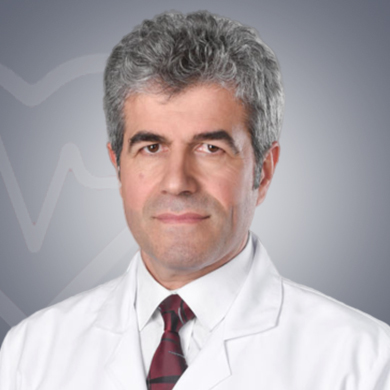
Ahmed Altinbas, 1989 - Akdeniz University (M.Sc.), is a Interventional Cardiologist based in Antalya, Turkey. The doctor has 30 years of professional experience. Ahmed Altinbas areas of expertise include Angina, Tachycardia, Blocked Arteries, Bradycardia, Atherosclerosis.
Work Experiences
Using MediGence’s Telemedicine Platform, you can book a personalized video consultation with renowned doctors around the world


Medical Park Antalya Hospital, Turkey, Antalya
Cardiac enterologist • 25 years experience
Turkish & EnglishHuseyin Okutan, Akdeniz University School of Medicine - Medical Education, is a Cardiac Surgeon based in Antalya, Turkey. The doctor has 25 years of professional experience. Huseyin Okutan areas of expertise include False.
Work Experiences
Listed below are some of the top Heart Specialists in other cities:
Following are some of the best clinics in Antalya, Turkey with whom Heart Specialists are associated with:
A cardiologist or a heart specialist is a doctor who studies, diagnoses, and treats conditions of the cardiovascular system, i.e., the heart and blood vessels. Cardiologists are also qualified to treat heart attacks, arrhythmia, heart failure, heart valve disease, and high blood pressure.
To make a diagnosis, cardiologists may carry out physical exams, order tests like an electrocardiogram (EKG), blood tests, exercise stress tests, and interpret tests. They also prescribe medications and recommend lifestyle changes such as reducing stress levels, diet, exercise, and managing weight. Heart specialists or cardiologists can perform various procedures, such as inserting a cardiac catheter or implanting a pacemaker. Cardiologists may also teach at universities and conduct research within labs to develop new treatments.
Different types of heart doctors are:
To become a heart specialist or cardiologist, you need to go through a long period of medical education for acquiring board certification and licensure. After completing 10+2 with PCB, a candidate can continue your further studies towards becoming a cardiologist.
These doctors have special training in the field of cardiology. Cardiologists have to complete MBBS before focusing on heart-related specialties.
A cardiologist undergoes many years of medical training. Basic steps to become a cardiologist are:
Some common cardiac conditions treated by a heart specialist are:
Your cardiologist may order some medical tests to help find out what heart condition you are suffering from. Some of these tests are explained below.
Called a silent killer, heart diseases often occur with no symptoms until a major health event like a heart attack or a stroke occurs. This is the reason why it’s important to assess your risk factors now to recognize the early signs and seek preventative treatment. The presence of any of the below nine factors may the reason to seek the help of a heart specialist or cardiologist:
Your first appointment with a heart specialist will involve a check of your vitals, which is a non-invasive method to measure your heart’s electrical activity. Also, the clinical staff will note all details about your family and health history that a cardiologist or heart specialist should know.
Your cardiologist will thoroughly examine your heart health and might suggest some tests that can include urine or blood tests, an electrocardiogram (EKG), an PET, MRI, or CT scan, or a stress test. A heart specialist can diagnose any existing condition and determine future risks. They will also help create a routine that benefits your overall heart health and reduces your risk of developing heart conditions.
Below are somecommon procedures performed by a Heart Specialist:
Top Medical Specialities in Antalya, Turkey are: