Your Notifications
All done, no notifications

4 Specialists

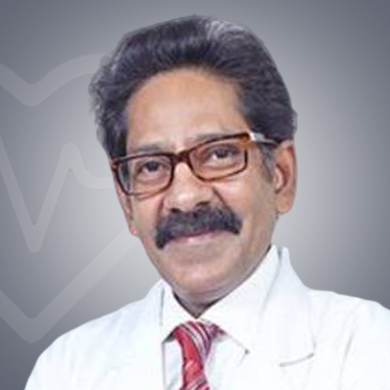
Dr. Sanjay Saxena

Neurologist

, Ghaziabad, India

25 Years of experience

Speaks: Hindi , English


Dr Sanjay Saxena is one of the most sought after Neurologist in Ghaziabad, India. The medical practitioner holds over 25 years of experience and is associated with Max Super Specialty Hospital, Vaishali.

Association and Memberships Dr. Sanjay Saxena is part of:

  • Indian Epilepsy Association (IEA)
  • Delhi Neurological Association (DNA)
  • Indian Academy of Neurology (IAN)
  • Multiple Sclerosis Society of India (MSSI)
  • Indian Stroke Association (ISA)
  • World Stroke Association (WSO)

Certifications :

  • DM (Neurology) - (1999)
  • DNB (Neurology) - (1997)

Qualifications :

  • MD
  • MBBS

Hospital Address :

Max Super Speciality Hospital, Vaishali, near Radisson Blu Hotel, Sector-1, Vaishali, Ghaziabad, Uttar Pradesh, India

Medical Expertise of Dr. Sanjay Saxena

  • Dr. Sanjay’s specialty interests includes the treatment of Stroke, Multiple Sclerosis, Epilepsy, and Movement Disorders
  • Some of the procedures performed by the doctor are: Minimally-Invasive Lumbar Microdecompression,Vascular Surgery,Laminectomy (Cervical) with Fusion,Epilepsy Treatment and Foot Drop etc.
  • Prestigious neurologist with 23+ years of experience
  • Completed MBBS from J.N.M.C., Aligarh (1987), M.D. (Medicine) from J.N.M.C., Aligarh (1991) and DNB - Neurology from Sir Ganga Ram Hospital, New Delhi (1997).
  • Performed 500+ procedures in his medical career with a remarkable success rate
  • Dr. Sanjay is an active member of the esteemed societies such as IEA, DNA, IAN, MSSI, ISA, WSO.
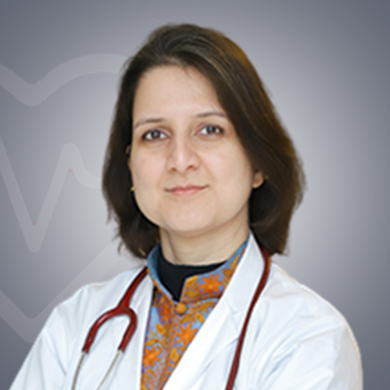
Dr. Namita Kaul

Neurologist

, Ghaziabad, India

17 Years of experience

Speaks: Hindi , English


Dr Namita Kaul is one of the best Neurologist in Ghaziabad, India. The clinician holds over 12 years of experience and is associated with Max Super Specialty Hospital, Vaishali.

Association and Memberships Dr. Namita Kaul is part of:

  • Indian Academy of Neurology (IAN)
  • American Academy of Neurology (AAN)

Qualifications :

  • MD
  • DNB
  • MBBS

Hospital Address :

Max Super Speciality Hospital, Vaishali, near Radisson Blu Hotel, Sector-1, Vaishali, Ghaziabad, Uttar Pradesh, India
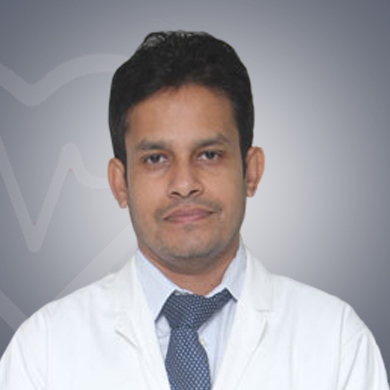
Dr. Hrishikesh Chakrabarthy

Neurologist

, Ghaziabad, India

22 Years of experience

Speaks: Hindi , English


Dr Hrishikesh Chakrabarthy is one of the best Spine & Neurosurgeon in Ghaziabad, India. The clinician holds over 6 years of experience and is associated with Max Super Specialty Hospital, Vaishali.

Association and Memberships Dr. Hrishikesh Chakrabarthy is part of:

  • Neurological Surgeons Society of India (NSSI)
  • Neurological Society of India (NSI)
  • Neurotrauma Society of India (NTSI)

Qualifications :

  • MBBS
  • MS
  • MCh

Hospital Address :

Max Super Speciality Hospital, Vaishali, near Radisson Blu Hotel, Sector-1, Vaishali, Ghaziabad, Uttar Pradesh, India

Do you know?

Using MediGence’s Telemedicine Platform, you can book a personalized video consultation with renowned doctors around the world

Explore Telemedicine Platform

Featured Telemedicine Doctors

Frequently Asked Questions
Who are the top Neurologists in Ghaziabad, India offering online consultation?

Given below are some of the most sought after Neurologists available for online consultation in Ghaziabad, India:

Which are some of the best hospitals Neurologists in Ghaziabad, India are associated with?

Following are some of the best clinics in Ghaziabad, India with whom Neurologists are associated with:

Which are some of the procedures performed by Neurologists in Ghaziabad, India?
Which are some of the conditions treated by Neurologist in Ghaziabad, India?

Check out the conditions performed by neurologists in Ghaziabad, India:

  • Seizures in epilepsy
  • Myelitis
  • Neurosyphilis
  • Brachial Plexus Avulsion
  • Brain Stroke
  • Epilepsy
  • Brain Cancer
  • Reye Syndrome
  • Erb's Palsy
  • Encephalitis
  • Meningitis
  • Seizures
  • Brachial Plexus Rupture
  • Brachial Plexus Injuries - Brachial Plexus Injury At Bith
Who is a Neurologist?

A neurologist is a medical doctor who specializes in diagnosing, evaluating, and treating conditions that affect the nervous system. Because of the complex nature of the nervous system, most neurologists focus on treating certain people with specific neurological conditions. Neurologists are generally highly trained clinicians who are capable of diagnosing complex diseases through a complete history and physical examination, including testing of vision, mental status, strength, speech, coordination, sensation, reflexes, and gait. Even when medicine becomes more dependent on newer technology, the neurological exam would remain a critical part of the patient evaluation. A neurologist does not perform surgery. If a patient requires surgery, they usually refer them to a neurosurgeon.

Since neurology deals with the brain and the entire nervous system, there are several conditions that neurologists can diagnose and treat. Most of them go on to study a specific subset of neurology after finishing their residency training. During your appointment with a neurologist, they will talk ask about your medical history as well as your symptoms. They will also do a physical exam that focuses on your nerves, spines, and brain. They have a good idea of your diagnosis from your thorough exam, but you'll need other tests to confirm it.

What are the qualifications of a Neurologist?

A person who wants to become a neurologist needs to first complete a 5½ year- MBBS degree and then a 2-3-year MD/DNB course. After obtaining the master's degree in neurology, the candidate will have to complete D.M. (neurology) course to specialize in the field of neurology.

The first step to becoming a neurologist is to get a bachelor’s degree from an accredited college or university. A medical student needs to complete a five-and-a-half-year MBBS program that prepares a student to work as a medical doctor. A student’s final two years will include clinical rotations in his or her chosen medical specialty.

A neurosurgeon residency program prepares a doctor to work in the field and also offers the opportunity to complete rotations in many areas of surgery and sub-specialties. As a doctor has additional experience and responsibilities, they can start focusing on neurosurgery. A neurologist has the opportunity to extend their training after doing residency by completing a spine fellowship program.

What conditions do Neurologists treat?

Some conditions a neurologist treats are:

  • Brain and spinal cord injury or infection
  • Brain tumor
  • Epilepsy
  • Alzheimer's disease
  • Amyotrophic lateral sclerosis
  • Back pain
  • Peripheral neuropathy (a disease affecting your nerves)
  • Pinched nerves
  • Seizures
  • Headaches
  • Multiple sclerosis
  • Parkinson's disease
  • Stroke
  • Tremors (uncontrollable movement)
  • Seizures in epilepsy
  • Myelitis
  • Brain Stroke
  • Neurosyphilis
  • Brachial Plexus Avulsion
  • Brain Cancer
  • Reye Syndrome
  • Erb's Palsy
  • Encephalitis
  • Meningitis
  • Brachial Plexus Rupture
  • Brachial Plexus Injuries
What diagnostic tests are required by a Neurologist?

To diagnosis a nervous system disorder, a neurologist starts with a complete medical history as well as a physical exam. They might also use one or more of these tests:

  • CT Scan: This shows detailed images of various parts of the brain.
  • Electroencephalogram (EEG): This test measures the brain's continuous electrical activity.
  • MRI: This test uses a combination of radio waves, large magnets, and a computer to make detailed images of the brain.
  • Positron emission tomography (PET): This test measures the metabolic activity of cells.
  • Arteriogram (angiogram). This X-ray of the arteries and veins helps detect blockage of the vessels.
  • Spinal tap (lumbar puncture): In this test, a special needle is inserted into the lower back.
  • Myelogram. This uses dye placed into the spinal canal for proper visibility of the structure on X-rays.
  • Neurosonography: It allows the doctor to analyze blood flow in stroke.
  • Ultrasound (sonography): This imaging test uses high-frequency sound waves to make images of tissues, blood vessels, and organs.
When should you visit a Neurologist?

A person needs to consult a neurologist if he/she experiences below signs and symptoms:

  • Headache
  • Weakness of limbs or face
  • Sleep disturbances
  • Difficulty maintaining your balance
  • Visual problems
  • Neuropathic pain
  • Migraines
  • Seizures
  • Problems with memory
  • Clumsiness or confusion
  • Trembling, slow movements, clumsiness
  • Chronic pain, Difficulty balancing, Burning sensations, Poor coordination
What can you expect from your first visit with a Neurologist?

When you reach the clinic, you will meet with a skilled neurologist for a physical exam and diagnostic tests. The doctor would ask you about what you are experiencing, and will ask you about your medical and prescription history. Neurologists will do a physical exam addressing your nervous system responses. Following a physical exam, a neurologist might also want to run diagnostic testing to get more information. After your consultation, the neurologist would explain your next steps, including any diagnostic tests, new prescriptions, future appointments, and therapies.

Which are the most common procedures performed by a Neurologist?
  • Lumbar Puncture
  • Carotid endarterectomy
  • Concussion testing
  • Deep brain stimulation
  • Diaphragm pacing
  • Electromyography (EMG)
  • Tensilon Test
  • Electroencephalogram
  • Functional electrical stimulation
  • Locomotor training
  • Auditory brainstem implant
  • Awake brain surgery
  • Botox injection
  • Carotid angioplasty
  • Pediatric cervical spine surgery
  • Spinal fusion
  • Stereotactic radiosurgery

FAQs related to India