Browse verified doctors or let our care team help you find the doctor best suited to your condition, treatment goals, and budget.

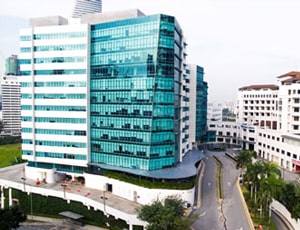
Parkway Pantai provides specialised Holmium Laser Enucleation of the Prostate (HoLEP) with a focus on precise removal of obstructing prostate tissue, minimally invasive access, effective restoration of urinary flow, and individualized postoperative urological care. Established in 1974, the JCI, MSQH accredited hospital is located in Kuala Lumpur, Malaysia and operates 499 beds, with modern laser technology, endourology, diagnostic imaging, urodynamic assessment, and postoperative care infrastructure.
Holmium Laser Enucleation of the Prostate can provide an effective minimally invasive treatment option for appropriately selected patients with symptomatic benign prostatic hyperplasia. Treatment planning considers prostate size, severity of urinary symptoms, urinary retention, bladder function, previous prostate procedures, medications, and overall health. A detailed urological assessment helps determine whether HoLEP is appropriate and supports individualized planning for laser enucleation, tissue removal, catheter management, and follow-up care.
Choosing Beverly Wilshire Medical Centre for Holmium Laser Enucleation of the Prostate (HoLEP) gives patients access to experienced endourologists, advanced holmium laser systems, modern endoscopic equipment, urinary-flow assessment, specialized anesthesia services, and structured postoperative monitoring. Established in 2012, the ISO accredited hospital in Kuala Lumpur, Malaysia it has adequate bed capacity and provides specialized treatment for benign prostate enlargement.
HoLEP is generally performed under appropriate anaesthesia through the natural urinary passage. A resectoscope is introduced through the urethra, and the surgeon uses a holmium laser to enucleate the obstructing prostate tissue. The tissue is then morcellated and removed from the bladder. A urinary catheter is usually placed temporarily after the procedure. Patients may experience temporary urinary frequency, urgency, burning, blood in the urine, or mild leakage during recovery, while potential complications include infection, bleeding, urethral narrowing, or changes in ejaculation.

Nigerian national Mrs. Saadatu Muhammad, 48, suffered from severe abdominal pain that affected her quality of life.

Abdullah's story highlights how modern regenerative treatments can offer new hope for men dealing with erectile dysfunction. With expert medical care, advanced technology,