Browse verified doctors or let our care team help you find the doctor best suited to your condition, treatment goals, and budget.

Choosing Prince Court Medical Centre for Peritoneal Dialysis gives patients access to experienced nephrologists, specialized dialysis facilities, catheter-placement services, patient education, and structured follow-up care. Established in 2007, the MSQH accredited hospital in Kuala Lumpur, Malaysia has 277 beds and provides specialized peritoneal dialysis services.
Peritoneal Dialysis is generally performed through a permanently placed abdominal catheter. During treatment, dialysis fluid is infused into the peritoneal cavity and allowed to remain for a defined period before being drained. Patients receiving home-based peritoneal dialysis are trained in sterile exchange procedures and catheter care to reduce the risk of infection. Regular follow-up is important for monitoring fluid balance, dialysis adequacy, nutritional status, catheter function, and potential complications such as peritonitis.
Parkway Pantai is a trusted healthcare provider for Peritoneal Dialysis, offering renal replacement therapy supported by experienced nephrologists, trained dialysis professionals, specialized catheter-placement services, and multidisciplinary renal care. Established in 1974, the JCI, MSQH- accredited hospital is situated in Kuala Lumpur, Malaysia and has 499 beds.
Peritoneal Dialysis uses the patient's peritoneal membrane to facilitate the movement of waste products and excess fluid from the bloodstream into the dialysis solution. The solution is subsequently drained and replaced with fresh fluid through the implanted catheter. Continuous Ambulatory Peritoneal Dialysis involves manual exchanges performed throughout the day, while Automated Peritoneal Dialysis uses a machine to perform exchanges, typically during sleep. The appropriate modality is selected according to the patient's medical and practical requirements.
At Sunway Medical Centre, Peritoneal Dialysis is performed using specialized dialysis protocols and comprehensive pre-treatment nephrology assessment. Established in 1999, this ACHS accredited hospital in Kuala Lumpur, Malaysia has 724 beds and offers advanced nephrology and renal replacement therapy services.
Peritoneal Dialysis may be considered for patients with advanced or end-stage kidney disease who require ongoing renal replacement therapy. Before treatment, a soft catheter is surgically placed into the abdominal cavity to provide access for dialysis fluid. During each exchange, dialysis solution enters the abdomen, remains there for a prescribed dwell time, and is then drained along with accumulated waste products and excess fluid. The treatment schedule is individualized according to residual kidney function, fluid balance, and other clinical factors.
ParkCity Medical Centre is a trusted healthcare provider for Peritoneal Dialysis, offering renal replacement therapy supported by experienced nephrologists, trained dialysis professionals, specialized catheter-placement services, and multidisciplinary renal care. Established in 2012, the JCI- accredited hospital is situated in Kuala Lumpur, Malaysia and has 300 beds.
Peritoneal Dialysis uses the patient's peritoneal membrane to facilitate the movement of waste products and excess fluid from the bloodstream into the dialysis solution. The solution is subsequently drained and replaced with fresh fluid through the implanted catheter. Continuous Ambulatory Peritoneal Dialysis involves manual exchanges performed throughout the day, while Automated Peritoneal Dialysis uses a machine to perform exchanges, typically during sleep. The appropriate modality is selected according to the patient's medical and practical requirements.
Choosing Subang Jaya Medical Centre for Peritoneal Dialysis gives patients access to experienced nephrologists, specialized dialysis facilities, catheter-placement services, patient education, and structured follow-up care. Established in 1985, the JCI accredited hospital in Kuala Lumpur, Malaysia has 442 beds and provides specialized peritoneal dialysis services.
Peritoneal Dialysis is generally performed through a permanently placed abdominal catheter. During treatment, dialysis fluid is infused into the peritoneal cavity and allowed to remain for a defined period before being drained. Patients receiving home-based peritoneal dialysis are trained in sterile exchange procedures and catheter care to reduce the risk of infection. Regular follow-up is important for monitoring fluid balance, dialysis adequacy, nutritional status, catheter function, and potential complications such as peritonitis.
Ara Damansara Medical Centre offers advanced Peritoneal Dialysis using modern renal replacement techniques and individualized nephrology care plans. Established in 2012, the JCI, MSQH accredited hospital is located in Kuala Lumpur, Malaysia and has 220 beds, providing comprehensive kidney care for local and international patients.
Peritoneal Dialysis is a form of renal replacement therapy that uses the lining of the abdomen, called the peritoneum, as a natural filtering membrane to remove waste products and excess fluid from the blood. A special dialysis solution is introduced into the abdominal cavity through a catheter, where it remains for a prescribed period before being drained and replaced. It may be performed as continuous ambulatory peritoneal dialysis or automated peritoneal dialysis, depending on the patient's clinical needs and lifestyle.
Bukit Tinggi Medical Centre is a trusted healthcare provider for Peritoneal Dialysis, offering renal replacement therapy supported by experienced nephrologists, trained dialysis professionals, specialized catheter-placement services, and multidisciplinary renal care. Established in 2016, the MSQH- accredited hospital is situated in Kuala Lumpur, Malaysia and has 171 beds.
Peritoneal Dialysis uses the patient's peritoneal membrane to facilitate the movement of waste products and excess fluid from the bloodstream into the dialysis solution. The solution is subsequently drained and replaced with fresh fluid through the implanted catheter. Continuous Ambulatory Peritoneal Dialysis involves manual exchanges performed throughout the day, while Automated Peritoneal Dialysis uses a machine to perform exchanges, typically during sleep. The appropriate modality is selected according to the patient's medical and practical requirements.
Choosing Damansara Specialist Hospital, Petaling Jaya for Peritoneal Dialysis gives patients access to experienced nephrologists, specialized dialysis facilities, catheter-placement services, patient education, and structured follow-up care. Established in 1996, the accredited hospital in Petaling Jaya, Malaysia has 194 beds and provides specialized peritoneal dialysis services.
Peritoneal Dialysis is generally performed through a permanently placed abdominal catheter. During treatment, dialysis fluid is infused into the peritoneal cavity and allowed to remain for a defined period before being drained. Patients receiving home-based peritoneal dialysis are trained in sterile exchange procedures and catheter care to reduce the risk of infection. Regular follow-up is important for monitoring fluid balance, dialysis adequacy, nutritional status, catheter function, and potential complications such as peritonitis.
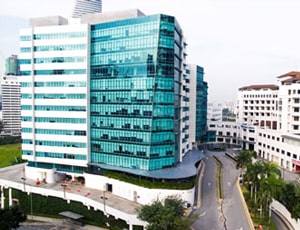
Kuala Lumpur, Malaysia
Damansara Specialist Hospital 2 (DSH2), Kuala Lumpur offers advanced Peritoneal Dialysis using modern renal replacement techniques and individualized nephrology care plans. Established in 2016, the accredited hospital is located in Kuala Lumpur, Malaysia and has 132 beds, providing comprehensive kidney care for local and international patients.
Peritoneal Dialysis is a form of renal replacement therapy that uses the lining of the abdomen, called the peritoneum, as a natural filtering membrane to remove waste products and excess fluid from the blood. A special dialysis solution is introduced into the abdominal cavity through a catheter, where it remains for a prescribed period before being drained and replaced. It may be performed as continuous ambulatory peritoneal dialysis or automated peritoneal dialysis, depending on the patient's clinical needs and lifestyle.

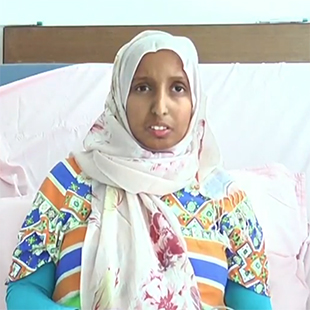
Marsha Akatu from Kenya was suffering from Sickle Cell Anaemia. She got her treatment done at Medanta Hospital, Gurgaon, India.

Patient Testimonial: Bushra Masoud for Brain Marrow Treatment from Apollo Hospitals
| Speciality | Transplants |
| Procedure | Peritoneal Dialysis |
| Success Rate | NA |
| Recovery Time | Ongoing |
| Treatment Time | Overnight, every night |
| Chances of Recurrence | NA |
Numerous factors can be considered to rank the hospitals on the basis of the procedure. Some of the major factors for ranking the hospitals for Peritoneal Dialysis in Malaysia are Infrastructure, Procedure Availability, Procedure Popularity, Technology, Affordability, Experienced Specialists, Quality of Resources, and Success Rate
MediGence offers you a blend of convenience, quality healthcare, and cost-savings. We keep your health a priority and make sure you receive a hassle-free medical journey with some unmatched benefits & services. Some of the best caregiving services are Online consultation, Hotel Stays or Accommodation, Case Manager, Recovery Packages, 24/7 assistance, and Individually-crafted Packages with upto 30% savings. Along with all these, MediGence offers many other unmatched services for giving you the most stress-free healthcare experience.
That's Correct. Before you decide on to travel for a medical purpose, you can avail a video consultation with the specialist. To schedule your online consultation with the specialist, you can reach one of our patient counselors. They will check the doctor's availability for the consultation. Once confirmed, you will be sent a payment link to book your online consultation.
Due to the high success rate and top-notch hospital infrastructure, Peritoneal Dialysis in Malaysia is considered reliable by many people around the world. Other factors that make Malaysia the preferred option for Peritoneal Dialysis include:
Different procedures have varying recovery times based on the patient's health and the complexity of the treatment. Other than that, rehabilitation post-treatment also plays a crucial role in reducing the healing time and aiding in proper recovery. Patients must go back for follow-up appointments after surgery in order to ensure proper healing and speed up the healing process.