Explore trusted hospitals and care options, or get personalised support to find a suitable option based on your treatment needs, preferences, and budget.

Kuala Lumpur, Malaysia
Prince Court Medical Centre provides specialized Pediatric Liver Transplant with an emphasis on age-appropriate transplant care, donor-graft assessment, surgical precision, and comprehensive recovery support. Established in 2007, the MSQH accredited hospital is based in Kuala Lumpur, Malaysia and has 277 beds supported by modern pediatric hepatology and transplant facilities.
Pediatric Liver Transplant is performed when a child's liver is severely damaged and transplantation offers the most appropriate option for restoring liver function. The transplant team may use a deceased-donor liver or a suitable segment from a living donor, depending on the child's needs and donor availability. Evaluation before surgery includes liver and general health assessments, nutritional evaluation, blood tests, and imaging. Following transplantation, children receive immunosuppressive treatment and require regular monitoring for rejection, infection, graft function, medication effects, and healthy growth.
Istanbul, Turkey
Acibadem International Hospital provides specialized Pediatric Liver Transplant with an emphasis on age-appropriate transplant care, donor-graft assessment, surgical precision, and comprehensive recovery support. Established in 1989, the JCI accredited hospital is based in Istanbul, Turkey and has 112 beds supported by modern pediatric hepatology and transplant facilities.
Pediatric Liver Transplant is performed when a child's liver is severely damaged and transplantation offers the most appropriate option for restoring liver function. The transplant team may use a deceased-donor liver or a suitable segment from a living donor, depending on the child's needs and donor availability. Evaluation before surgery includes liver and general health assessments, nutritional evaluation, blood tests, and imaging. Following transplantation, children receive immunosuppressive treatment and require regular monitoring for rejection, infection, graft function, medication effects, and healthy growth.
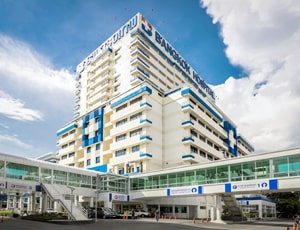
At Bangkok Hospital, Pediatric Liver Transplant is performed through a multidisciplinary pediatric transplant program and individualized treatment planning. Established in 1972, the JCI accredited hospital in Bangkok, Thailand has 580 beds and provides specialized pediatric, hepatology, and transplant care.
Pediatric Liver Transplant may be recommended for children with conditions such as biliary atresia, acute liver failure, metabolic liver disorders, or advanced chronic liver disease. During transplantation, the diseased liver is removed and replaced with a suitable donor liver or partial liver graft. A living donor may provide a portion of the liver that can grow as the child develops. After transplantation, children require immunosuppressive therapy, regular liver-function testing, and long-term specialist follow-up.
At Asan Medical Centre, Pediatric Liver Transplant is performed through a multidisciplinary pediatric transplant program and individualized treatment planning. Established in 1989, the ISO accredited hospital in Seoul, South Korea has 2700 beds and provides specialized pediatric, hepatology, and transplant care.
Pediatric Liver Transplant may be recommended for children with conditions such as biliary atresia, acute liver failure, metabolic liver disorders, or advanced chronic liver disease. During transplantation, the diseased liver is removed and replaced with a suitable donor liver or partial liver graft. A living donor may provide a portion of the liver that can grow as the child develops. After transplantation, children require immunosuppressive therapy, regular liver-function testing, and long-term specialist follow-up.
Mount Elizabeth Hospital offers dedicated Pediatric Liver Transplant supported by experienced pediatric transplant surgeons, hepatologists, anesthesiologists, and critical-care specialists. Established in 1979, the JCI accredited hospital is situated in Singapore, Singapore and has 345 beds supporting comprehensive pediatric transplant services.
Pediatric Liver Transplant involves replacing a severely damaged or failing liver with a healthy donor graft. It may be required when medical treatment cannot adequately control advanced liver disease or liver failure. Before transplantation, specialists assess the child's liver function, nutritional status, growth, overall health, and transplant suitability. Following surgery, close monitoring is required to detect complications, maintain graft function, and adjust immunosuppressive medicines. Long-term follow-up supports the child's growth, development, and overall health.
Delhi, India
BLK-Max Super Speciality Hospital offers dedicated Pediatric Liver Transplant supported by experienced pediatric transplant surgeons, hepatologists, anesthesiologists, and critical-care specialists. Established in 1959, the JCI, NABH accredited hospital is situated in Delhi, India and has 650 beds supporting comprehensive pediatric transplant services.
Pediatric Liver Transplant involves replacing a severely damaged or failing liver with a healthy donor graft. It may be required when medical treatment cannot adequately control advanced liver disease or liver failure. Before transplantation, specialists assess the child's liver function, nutritional status, growth, overall health, and transplant suitability. Following surgery, close monitoring is required to detect complications, maintain graft function, and adjust immunosuppressive medicines. Long-term follow-up supports the child's growth, development, and overall health.
Memorial Ankara Hospital provides specialized Pediatric Liver Transplant with a focus on comprehensive pediatric transplant care, precise surgical techniques, and close postoperative monitoring. Established in 2014, the JCI accredited hospital is located in Ankara, Turkey and operates 230 beds with advanced pediatric and transplant facilities.
Pediatric Liver Transplant is a treatment option for children with severe or irreversible liver disease when the liver can no longer perform its essential functions adequately. The procedure involves replacing the child's diseased liver with a healthy donor liver or an appropriate liver segment. Depending on donor availability and suitability, a deceased-donor or living-donor transplant may be performed. Comprehensive evaluation of the child and donor is conducted before surgery, followed by lifelong monitoring and immunosuppressive medicines to help prevent rejection.
Choosing Artemis Health Institute for Pediatric Liver Transplant gives children access to specialized transplant surgeons, pediatric intensive care, advanced diagnostic facilities, and coordinated long-term follow-up. Established in 2007, the JCI, NABH accredited hospital is located in Gurgaon, India and operates 750 beds with modern pediatric transplant infrastructure.
Pediatric Liver Transplant can help children with end-stage liver disease or other severe conditions that result in irreversible liver dysfunction. Depending on the clinical situation and donor availability, transplantation may use a whole liver from a deceased donor or a portion of a liver from a living donor. Before surgery, extensive testing is performed to assess the child and identify an appropriate donor. After transplantation, immunosuppressive medicines and regular clinical and laboratory assessments are needed to monitor graft function and detect rejection or other complications.
Choosing Gleneagles Hospital for Pediatric Liver Transplant gives children access to specialized transplant surgeons, pediatric intensive care, advanced diagnostic facilities, and coordinated long-term follow-up. Established in 1959, the JCI accredited hospital is located in Singapore, Singapore and operates 258 beds with modern pediatric transplant infrastructure.
Pediatric Liver Transplant can help children with end-stage liver disease or other severe conditions that result in irreversible liver dysfunction. Depending on the clinical situation and donor availability, transplantation may use a whole liver from a deceased donor or a portion of a liver from a living donor. Before surgery, extensive testing is performed to assess the child and identify an appropriate donor. After transplantation, immunosuppressive medicines and regular clinical and laboratory assessments are needed to monitor graft function and detect rejection or other complications.
Seoul, South Korea
International St. Mary's Hospital offers dedicated Pediatric Liver Transplant supported by experienced pediatric transplant surgeons, hepatologists, anesthesiologists, and critical-care specialists. Established in 2014, the JCI accredited hospital is situated in Seoul, South Korea and has 808 beds supporting comprehensive pediatric transplant services.
Pediatric Liver Transplant involves replacing a severely damaged or failing liver with a healthy donor graft. It may be required when medical treatment cannot adequately control advanced liver disease or liver failure. Before transplantation, specialists assess the child's liver function, nutritional status, growth, overall health, and transplant suitability. Following surgery, close monitoring is required to detect complications, maintain graft function, and adjust immunosuppressive medicines. Long-term follow-up supports the child's growth, development, and overall health.
Sunway Medical Centre offers dedicated Pediatric Liver Transplant supported by experienced pediatric transplant surgeons, hepatologists, anesthesiologists, and critical-care specialists. Established in 1999, the ACHS accredited hospital is situated in Kuala Lumpur, Malaysia and has 724 beds supporting comprehensive pediatric transplant services.
Pediatric Liver Transplant involves replacing a severely damaged or failing liver with a healthy donor graft. It may be required when medical treatment cannot adequately control advanced liver disease or liver failure. Before transplantation, specialists assess the child's liver function, nutritional status, growth, overall health, and transplant suitability. Following surgery, close monitoring is required to detect complications, maintain graft function, and adjust immunosuppressive medicines. Long-term follow-up supports the child's growth, development, and overall health.
At Medipol Bahçelievler Hospital, Pediatric Liver Transplant is performed through a multidisciplinary pediatric transplant program and individualized treatment planning. Established in 2022, the JCI accredited hospital in Istanbul, Turkey has 441 beds and provides specialized pediatric, hepatology, and transplant care.
Pediatric Liver Transplant may be recommended for children with conditions such as biliary atresia, acute liver failure, metabolic liver disorders, or advanced chronic liver disease. During transplantation, the diseased liver is removed and replaced with a suitable donor liver or partial liver graft. A living donor may provide a portion of the liver that can grow as the child develops. After transplantation, children require immunosuppressive therapy, regular liver-function testing, and long-term specialist follow-up.
Medanta - The Medicity provides specialized Pediatric Liver Transplant with a focus on comprehensive pediatric transplant care, precise surgical techniques, and close postoperative monitoring. Established in 2009, the JCI, NABH accredited hospital is located in Gurgaon, India and operates 1250 beds with advanced pediatric and transplant facilities.
Pediatric Liver Transplant is a treatment option for children with severe or irreversible liver disease when the liver can no longer perform its essential functions adequately. The procedure involves replacing the child's diseased liver with a healthy donor liver or an appropriate liver segment. Depending on donor availability and suitability, a deceased-donor or living-donor transplant may be performed. Comprehensive evaluation of the child and donor is conducted before surgery, followed by lifelong monitoring and immunosuppressive medicines to help prevent rejection.
Sharjah, United Arab Emirates
NMC Royal Hospital Sharjah offers dedicated Pediatric Liver Transplant supported by experienced pediatric transplant surgeons, hepatologists, anesthesiologists, and critical-care specialists. Established in 1981, the JCI accredited hospital is situated in Sharjah, United Arab Emirates and has 137 beds supporting comprehensive pediatric transplant services.
Pediatric Liver Transplant involves replacing a severely damaged or failing liver with a healthy donor graft. It may be required when medical treatment cannot adequately control advanced liver disease or liver failure. Before transplantation, specialists assess the child's liver function, nutritional status, growth, overall health, and transplant suitability. Following surgery, close monitoring is required to detect complications, maintain graft function, and adjust immunosuppressive medicines. Long-term follow-up supports the child's growth, development, and overall health.
Bangkok, Thailand
Phyathai 2 International Hospital offers dedicated Pediatric Liver Transplant supported by experienced pediatric transplant surgeons, hepatologists, anesthesiologists, and critical-care specialists. Established in 1987, the JCI accredited hospital is situated in Bangkok, Thailand and has 550 beds supporting comprehensive pediatric transplant services.
Pediatric Liver Transplant involves replacing a severely damaged or failing liver with a healthy donor graft. It may be required when medical treatment cannot adequately control advanced liver disease or liver failure. Before transplantation, specialists assess the child's liver function, nutritional status, growth, overall health, and transplant suitability. Following surgery, close monitoring is required to detect complications, maintain graft function, and adjust immunosuppressive medicines. Long-term follow-up supports the child's growth, development, and overall health.